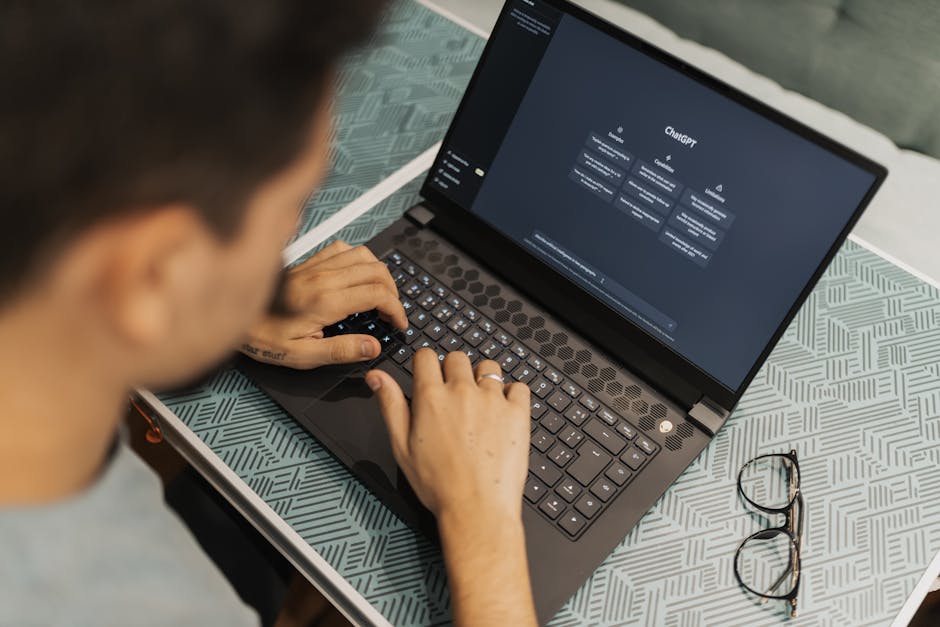
The integration of artificial intelligence, particularly ChatGPT, into the workplace has become a significant talking point. With its ability to generate human-like text and assist with a variety of tasks, it’s no wonder that many bosses are eager to adopt this technology. However, this enthusiasm can sometimes put employees in a difficult position, especially if they are not as keen on the technology. The pressure to fake enthusiasm for ChatGPT can be overwhelming, leading to questions about authenticity and job security. As the line between genuine adaptation and forced compliance blurs, it’s essential to consider the implications of such pressures on workplace dynamics and individual well-being.
The Rise of ChatGPT in the Workplace

The rapid adoption of ChatGPT and similar AI tools in offices worldwide is a testament to the evolving nature of work. As technology advances, the tasks we perform and how we perform them are changing dramatically. This shift is not only about efficiency and productivity but also about the skills employees are expected to possess. The ability to work alongside AI, understanding its capabilities and limitations, is becoming a valuable asset. However, this transition period can be challenging, especially for those who feel that their roles are being significantly altered or potentially replaced by automation. The background against which ChatGPT is being introduced is complex, involving concerns about job displacement, the need for upskilling, and the ethical use of AI.
Key Players and Initiatives

Several key players are involved in the integration of ChatGPT into the workplace, from the developers of the technology to the businesses adopting it. Companies like Microsoft and Google are at the forefront, incorporating AI into their product offerings to enhance user experience and provide competitive solutions. On the other hand, businesses of all sizes are exploring how ChatGPT can streamline operations, improve customer service, and enhance content creation. The involvement of these stakeholders underscores the significance of AI in the modern workplace and highlights the need for a thoughtful approach to its adoption, considering both the benefits and the challenges it presents.
Analysis and Implications
Analyzing the causes and effects of ChatGPT’s integration into the workplace reveals a multifaceted situation. On one hand, AI can significantly enhance productivity and efficiency, allowing employees to focus on more creative and high-value tasks. On the other hand, there are concerns about data privacy, the potential for bias in AI decision-making, and the impact on employment. Experts argue that while AI will undoubtedly replace some jobs, it will also create new ones, particularly in fields related to AI development, deployment, and maintenance. Understanding these dynamics is crucial for both employers and employees as they navigate this new landscape, seeking to maximize the benefits of AI while mitigating its negative consequences.
Impact on Employees
The implications of ChatGPT’s rise are far-reaching, affecting employees across various sectors. Those who are adept at using AI tools and can adapt quickly to new technologies are likely to thrive. However, others may feel sidelined or concerned about their job security. It’s essential for companies to provide comprehensive training and support to ensure that all employees can benefit from AI integration. Moreover, fostering a culture of openness, where employees feel comfortable expressing their concerns and suggestions, can help in navigating this transition smoothly. By doing so, businesses can leverage the full potential of AI while maintaining a positive and inclusive work environment.
Expert Perspectives
Experts offer contrasting viewpoints on how to approach the integration of ChatGPT in the workplace. Some advocate for a cautious approach, emphasizing the need for rigorous testing and ethical considerations before widespread adoption. Others see AI as a transformative force that should be embraced wholeheartedly, arguing that it’s essential for businesses to stay competitive. These differing perspectives highlight the complexity of the issue and the need for a balanced approach that considers both the opportunities and challenges presented by AI. By listening to and considering these expert opinions, businesses can develop strategies that are tailored to their specific needs and goals.
Looking forward, the key will be to watch how companies balance the adoption of AI with the needs and concerns of their employees. An open question remains how the relationship between humans and AI in the workplace will evolve, and what this means for the future of work. As we move into an era where AI is increasingly integral to business operations, finding a harmonious and productive coexistence between human workers and artificial intelligence will be paramount. This not only involves technological innovation but also requires a deep understanding of human factors, including psychology, sociology, and ethics, to create a work environment that is both efficient and equitable.