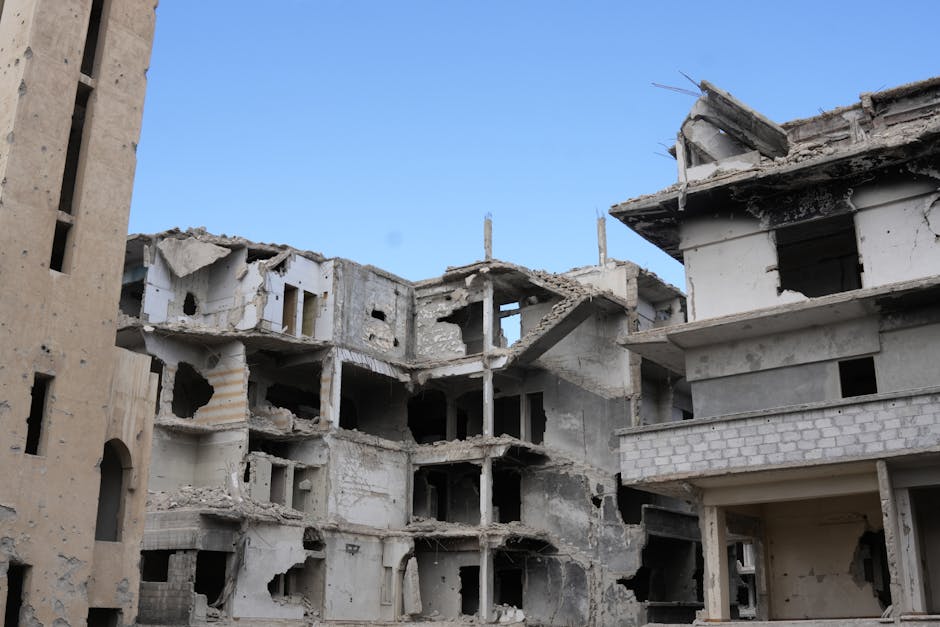
- The ongoing US-Iran conflict has sent shockwaves through the global economy, threatening a potential crisis.
- Oil prices are expected to rise by up to 20% in the coming months due to the war, impacting businesses and consumers worldwide.
- The economic fallout from the war could be severe and long-lasting, affecting not just the Middle East but the global economy as a whole.
- The conflict has disrupted trade in the region, with many countries imposing sanctions on Iran and restricting the flow of goods and services.
- The global economy is at risk of being impacted by the war, potentially disrupting trade and investment flows.
The ongoing conflict between the United States and Iran has sent shockwaves through the global economy, with many experts warning of a potential crisis. One striking fact is that the war has already resulted in a significant increase in oil prices, with some estimates suggesting that the cost of crude oil could rise by as much as 20% in the coming months. This has major implications for businesses and consumers around the world, who are likely to feel the pinch as the cost of fuel and other essential goods increases. According to economist Mariana Mazzucato, the economic fallout from the war could be severe and long-lasting, with the potential to impact not just the Middle East but also the global economy as a whole.
The Economic Fallout of War

The conflict in Iran is not just a political issue, but also an economic one. The war has already disrupted trade in the region, with many countries imposing sanctions on Iran and restricting the flow of goods and services. This has had a major impact on the Iranian economy, which is heavily reliant on oil exports. However, the effects of the war are not limited to Iran, with many other countries in the region also feeling the impact. The global economy is also at risk, with the potential for the conflict to disrupt trade and investment flows. As Mazzucato notes, the economic consequences of the war could be severe and far-reaching, with the potential to impact not just the Middle East but also the global economy as a whole.
Key Players and Interests

The conflict in Iran involves a complex web of players and interests, with many different countries and organizations playing a role. The United States, for example, has been a major player in the conflict, with the Trump administration imposing sanctions on Iran and taking a hardline stance against the Iranian government. Other countries, such as China and Russia, have also been involved, with both nations having significant economic and strategic interests in the region. As Mazzucato notes, the conflict is not just about politics, but also about economics, with many different countries and organizations vying for influence and control in the region. The key players in the conflict include the Iranian government, the United States, China, Russia, and the European Union, among others.
Causes and Effects of the Conflict
The causes of the conflict in Iran are complex and multifaceted, with many different factors contributing to the current situation. One major factor has been the imposition of sanctions by the United States, which has had a major impact on the Iranian economy. The sanctions have restricted the flow of goods and services into and out of Iran, making it difficult for the country to access essential supplies such as food and medicine. The effects of the conflict have been severe, with many Iranians struggling to access basic necessities. The conflict has also had a major impact on the global economy, with the potential to disrupt trade and investment flows. As Mazzucato notes, the conflict is a classic example of the “resource curse,” in which the abundance of natural resources such as oil can lead to conflict and instability.
Implications of the Conflict
The implications of the conflict in Iran are far-reaching and significant, with the potential to impact not just the Middle East but also the global economy. One major implication is the potential for the conflict to disrupt trade and investment flows, which could have a major impact on businesses and consumers around the world. The conflict could also lead to a significant increase in the cost of oil and other essential goods, which could have a major impact on inflation and economic growth. As Mazzucato notes, the conflict is a major concern for policymakers and business leaders around the world, who are watching the situation closely and trying to assess the potential risks and opportunities.
Expert Perspectives
Experts such as Mazzucato are divided on the potential outcome of the conflict, with some warning of a potential crisis and others predicting a more benign outcome. Some experts, such as those at the International Monetary Fund, have warned of the potential for the conflict to disrupt trade and investment flows, which could have a major impact on the global economy. Others, such as those at the World Bank, have predicted a more limited impact, with the conflict largely contained within the Middle East. As Mazzucato notes, the situation is complex and multifaceted, with many different factors at play.
Looking to the future, it is clear that the conflict in Iran will be a major issue for policymakers and business leaders around the world. One key question is what will happen next, with the potential for the conflict to escalate or de-escalate in the coming months. As Mazzucato notes, the situation is highly uncertain, with many different factors at play. However, one thing is clear: the conflict in Iran has the potential to have a major impact on the global economy, and policymakers and business leaders around the world will be watching the situation closely in the coming months.