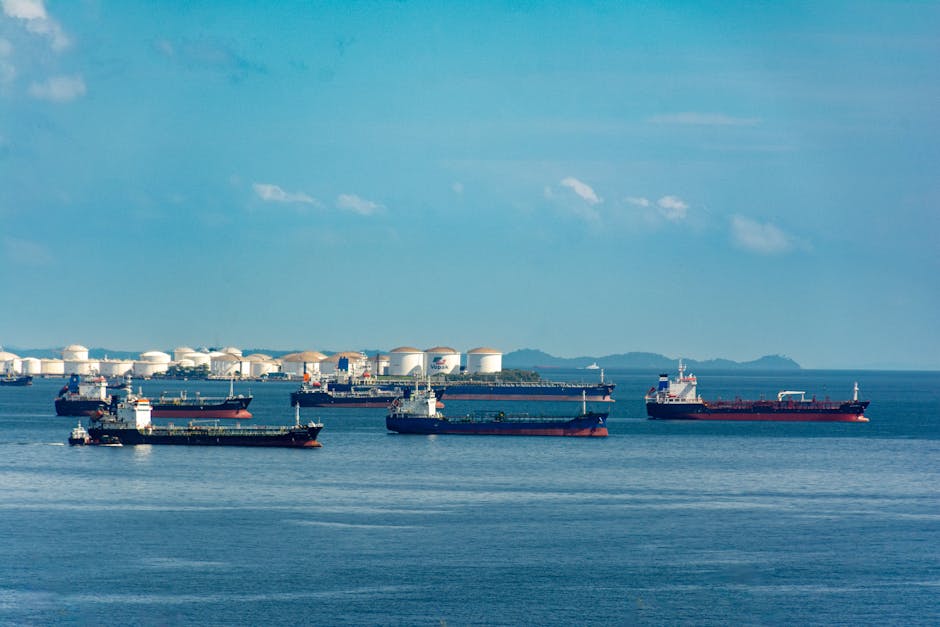
- The Strait of Hormuz is a critical waterway carrying 20% of the world’s oil, making it a vital artery for the global energy supply chain.
- Reopening the Strait of Hormuz could ease the oil crisis, but its impact would be limited due to existing supply chain disruptions and decreased oil production.
- The current oil market is characterized by heightened volatility, with prices fluctuating wildly in response to geopolitical developments in the region.
- Energy and shipping companies are facing challenges in planning for the future due to the complex and unpredictable landscape in the Strait of Hormuz.
- The reopening of the Strait of Hormuz would likely lead to a decrease in oil prices, but the extent of this reduction would depend on various factors including production levels and global demand.
The Strait of Hormuz, a critical waterway connecting the Persian Gulf to the Arabian Sea, has been at the center of geopolitical tensions in recent months, with its closure sending shockwaves through the global oil market. Approximately 20% of the world’s oil passes through this narrow strait, making it a vital artery for the global energy supply chain. With oil prices surging and concerns over supply chain disruptions growing, the prospect of reopening the Strait of Hormuz has become a pressing issue, with many wondering what this would mean for the global oil market and the companies that operate within it.
The Current State of the Oil Market

The current oil market is characterized by heightened volatility, with prices fluctuating wildly in response to geopolitical developments in the region. The closure of the Strait of Hormuz has resulted in a significant increase in oil prices, with many analysts predicting that this trend will continue unless the waterway is reopened. Furthermore, the ongoing tensions in the region have led to a decrease in oil production, exacerbating the supply chain disruptions and adding to the uncertainty in the market. As a result, energy and shipping companies are being forced to navigate this complex and unpredictable landscape, making it challenging for them to plan for the future.
Key Players and Interests

The situation in the Strait of Hormuz is complex, with multiple players and interests at stake. The United States, Iran, and other regional powers are all vying for influence, and the closure of the strait has become a key point of contention. Energy and shipping companies, including major oil producers and transporters, are also heavily invested in the region, with many relying on the Strait of Hormuz as a critical transit point. As tensions continue to escalate, these companies are facing increasing pressure to ensure the safe passage of their vessels and the uninterrupted supply of oil to global markets.
Causes and Consequences
Analysts point to a combination of factors as the cause of the current crisis, including rising tensions between the United States and Iran, as well as the increasing militarization of the region. The consequences of the Strait of Hormuz closure are far-reaching, with the potential to disrupt global oil supplies, drive up prices, and have a significant impact on the global economy. Furthermore, the ongoing tensions in the region have also raised concerns about the safety of ships and crew, with many vessels being forced to take alternative routes, adding to the complexity and cost of oil transportation.
Implications for the Global Economy
The implications of the Strait of Hormuz closure are significant, with the potential to affect not only the oil market but also the broader global economy. As oil prices continue to rise, consumers and businesses are likely to feel the pinch, with increased costs for fuel, transportation, and other oil-related products. Additionally, the disruptions to supply chains and the potential for further escalation in the region have raised concerns about the stability of the global economy, with many analysts warning of a potential recession if the situation is not resolved quickly.
Expert Perspectives
Experts are divided on the potential impact of reopening the Strait of Hormuz, with some arguing that it would provide much-needed relief to the oil market, while others warn that it would not be enough to fully address the underlying issues driving the crisis. According to one analyst, “The reopening of the Strait of Hormuz would certainly help to ease the oil crisis, but it would not be a silver bullet. The underlying tensions and conflicts in the region would still need to be addressed in order to ensure the long-term stability of the oil market.”
As the situation in the Strait of Hormuz continues to unfold, all eyes will be on the key players and stakeholders, watching for any signs of progress or escalation. One key question on everyone’s mind is what the future holds for the region and the global oil market, and whether the reopening of the Strait of Hormuz will be enough to restore stability and confidence in the market. As one expert noted, “The situation in the Strait of Hormuz is a complex and dynamic one, and it will likely take time, effort, and diplomacy to resolve. In the meantime, energy and shipping companies will need to remain vigilant and adaptable, responding to changing circumstances and navigating the uncertain landscape of the global oil market.”