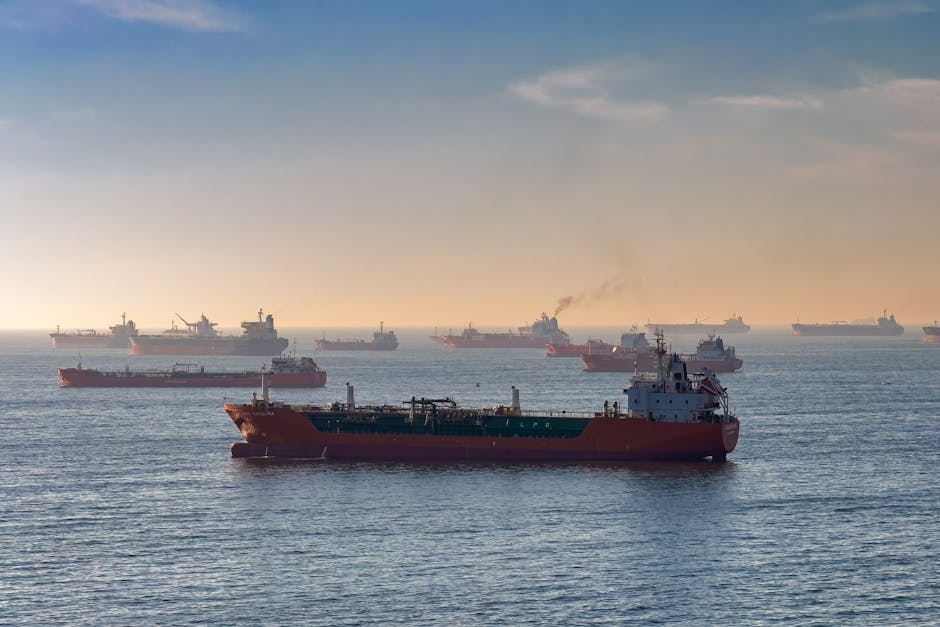
The price of oil has experienced a significant downturn, with Brent crude sinking by a tenth, following Iran’s announcement that the Strait of Hormuz will remain open for commercial ships during the ceasefire. This crucial waterway, responsible for the transport of approximately a fifth of the world’s oil, has been a focal point of tension in recent months. The announcement has sent shockwaves through the global oil market, with traders and investors closely monitoring the situation. As the world’s economy continues to feel the effects of the ongoing conflict, the stability of the oil market remains a top priority. With the Strait of Hormuz now open, the global supply of oil is expected to increase, leading to a decrease in prices and potentially alleviating some of the economic pressure on consumers.
The Strait of Hormuz: A Critical Waterway

The Strait of Hormuz, located between Iran and Oman, is one of the most critical waterways in the world, with approximately 20% of global oil production passing through it. The strait’s closure would have severe consequences for the global economy, including significant increases in oil prices and potential shortages. The recent tensions in the region have highlighted the importance of this waterway, and the international community has been working to find a peaceful resolution to the conflict. As the situation continues to unfold, the world is holding its breath, hoping that the ceasefire will hold and the Strait of Hormuz will remain open, ensuring the stable supply of oil to meet global demand.
Key Details of the Announcement

Iran’s announcement that the Strait of Hormuz will remain open during the ceasefire has been met with a mixture of relief and skepticism. The Iranian government has stated that the waterway will be open to all commercial ships, regardless of their flag or destination. This move is seen as a significant step towards reducing tensions in the region and ensuring the stable supply of oil to the global market. However, some experts have expressed concerns that the situation remains volatile, and any misstep could lead to a rapid escalation of the conflict. As the international community continues to monitor the situation, it is clear that the opening of the Strait of Hormuz is a crucial step towards resolving the crisis, but it is only the beginning of a long and complex process.
Analysis of the Situation
The decision by Iran to keep the Strait of Hormuz open during the ceasefire is a complex one, with both economic and geopolitical implications. From an economic perspective, the opening of the strait will lead to an increase in the global supply of oil, which will put downward pressure on prices. This, in turn, will have a positive impact on consumers, who will see a decrease in the cost of fuel and other oil-related products. However, the situation is not without risks, and the potential for the conflict to escalate remains high. The international community must continue to work towards a peaceful resolution, addressing the underlying issues that have led to the crisis. As the situation continues to unfold, it is clear that the opening of the Strait of Hormuz is a crucial step towards resolving the crisis, but it is only the beginning of a long and complex process.
Implications of the Announcement
The implications of Iran’s announcement are far-reaching, with the potential to impact the global economy, the oil market, and the ongoing conflict in the region. The opening of the Strait of Hormuz will lead to an increase in the global supply of oil, which will put downward pressure on prices. This, in turn, will have a positive impact on consumers, who will see a decrease in the cost of fuel and other oil-related products. However, the situation is not without risks, and the potential for the conflict to escalate remains high. The international community must continue to work towards a peaceful resolution, addressing the underlying issues that have led to the crisis. As the situation continues to unfold, it is clear that the opening of the Strait of Hormuz is a crucial step towards resolving the crisis, but it is only the beginning of a long and complex process.
Expert Perspectives
Experts in the field have expressed a range of opinions on the announcement, with some hailing it as a significant step towards resolving the crisis, while others have expressed concerns about the potential risks. Some have noted that the opening of the Strait of Hormuz is a crucial step towards ensuring the stable supply of oil to the global market, while others have warned that the situation remains volatile and that any misstep could lead to a rapid escalation of the conflict. As the international community continues to monitor the situation, it is clear that the opening of the Strait of Hormuz is a complex issue, with both positive and negative implications.
Looking to the future, it is clear that the situation in the region remains uncertain, and the potential for the conflict to escalate remains high. As the international community continues to work towards a peaceful resolution, it is essential to monitor the situation closely, watching for any signs of escalation or de-escalation. The opening of the Strait of Hormuz is a crucial step towards resolving the crisis, but it is only the beginning of a long and complex process. The question on everyone’s mind is: what’s next? Will the ceasefire hold, and will the Strait of Hormuz remain open, ensuring the stable supply of oil to the global market? Only time will tell, but one thing is certain: the world will be watching with bated breath as the situation continues to unfold.