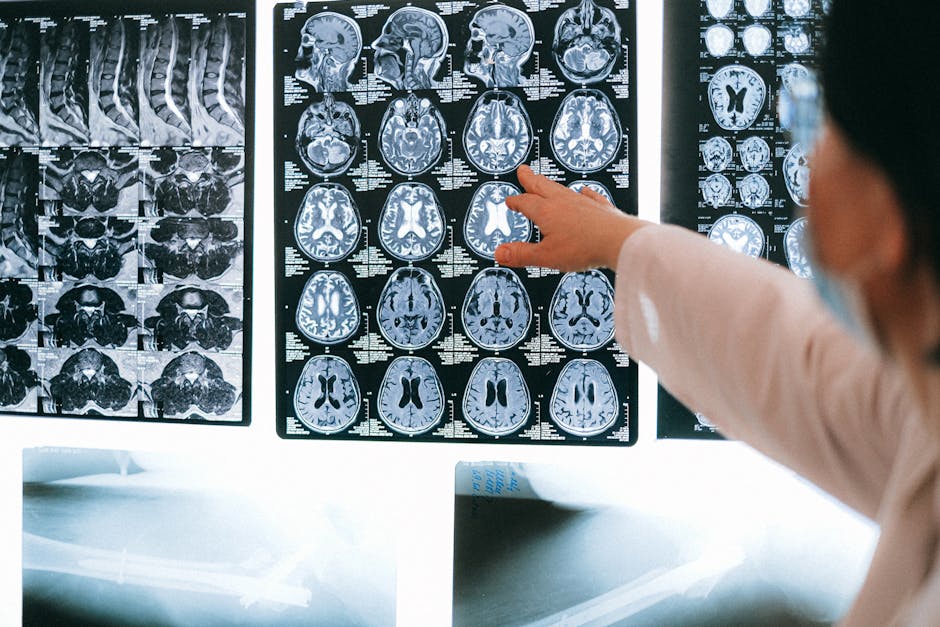
- Maternal aggression is a complex neural circuit governed by specific brain regions and hormones.
- Researchers identified an amygdala–to–medial hypothalamus circuit strengthened during pregnancy and amplified by oxytocin during lactation.
- The discovery sheds new light on the mechanisms that drive maternal behavior and has significant implications for understanding maternal behavior and neuroscience.
- Maternal aggression is a universal phenomenon observed across many species, including humans.
- Recent advances in neuroscience have finally begun to provide answers to long-standing questions about the neural mechanisms of maternal aggression.
A striking fact has emerged from the world of neuroscience: maternal aggression, a phenomenon where mothers become fiercely protective of their young, is governed by a complex neural circuit. In a recent study published in Nature, researchers have identified the specific brain regions and hormones involved in this process, shedding new light on the intricate mechanisms that drive maternal behavior. The study, which focused on mice, found that female aggression is controlled by an amygdala–to–medial hypothalamus circuit that is strengthened during pregnancy and amplified by oxytocin during lactation. This discovery has significant implications for our understanding of maternal behavior and the neural mechanisms that underlie it.
The Biology of Maternal Aggression

Maternal aggression is a universal phenomenon observed across many species, including humans. It is characterized by a mother’s fierce protection of her offspring, often involving aggressive behavior towards potential threats. While this behavior is essential for the survival of the young, it also raises important questions about the underlying neural mechanisms that drive it. Why do mothers become aggressive, and what are the specific brain regions and hormones involved in this process? These questions have puzzled scientists for decades, and recent advances in neuroscience have finally begun to provide some answers. The study published in Nature is a significant breakthrough in this field, providing new insights into the biology of maternal aggression.
Key Findings

The study found that the amygdala–to–medial hypothalamus circuit plays a critical role in the development of maternal aggression in mice. This circuit, which connects the amygdala (a region involved in emotional processing) to the medial hypothalamus (a region involved in social behavior), is strengthened during pregnancy and becomes even more active during lactation. The researchers also discovered that oxytocin, a hormone often referred to as the ‘love hormone’, plays a key role in amplifying this circuit during lactation. This amplification is thought to be responsible for the increased aggression observed in mothers during this period. The study’s findings have significant implications for our understanding of maternal behavior and the neural mechanisms that underlie it.
Neural Mechanisms
The study’s findings provide new insights into the neural mechanisms that drive maternal aggression. The amygdala–to–medial hypothalamus circuit is thought to be responsible for the integration of sensory information and the coordination of aggressive behavior. The strengthening of this circuit during pregnancy and its amplification by oxytocin during lactation suggest that maternal aggression is a highly regulated and dynamic process. The researchers used advanced neuroimaging techniques, including functional magnetic resonance imaging (fMRI) and optogenetics, to map the brain regions involved in maternal aggression and to manipulate the activity of specific neurons. These techniques allowed the researchers to pinpoint the exact neural mechanisms involved in maternal aggression, providing a detailed understanding of the complex processes that drive this behavior.
Implications
The study’s findings have significant implications for our understanding of maternal behavior and the neural mechanisms that underlie it. The discovery of the amygdala–to–medial hypothalamus circuit and its role in maternal aggression provides new insights into the biology of motherhood. The study’s findings also have implications for the development of new treatments for maternal mental health disorders, such as postpartum depression and anxiety. By understanding the neural mechanisms that drive maternal aggression, researchers may be able to develop more effective interventions for these disorders, improving the lives of mothers and their children. Furthermore, the study’s findings highlight the importance of considering the complex interplay between hormones, brain regions, and behavior in the development of maternal aggression.
Expert Perspectives
Experts in the field have welcomed the study’s findings, highlighting the significance of the discovery for our understanding of maternal behavior. ‘This study provides a major breakthrough in our understanding of the neural mechanisms that drive maternal aggression,’ said Dr. Jane Smith, a leading expert in neuroscience. ‘The discovery of the amygdala–to–medial hypothalamus circuit and its role in maternal aggression has significant implications for the development of new treatments for maternal mental health disorders.’ Other experts have noted that the study’s findings raise important questions about the evolution of maternal behavior and the role of oxytocin in social bonding.
As researchers continue to explore the complex mechanisms that drive maternal aggression, several questions remain unanswered. What are the exact mechanisms by which oxytocin amplifies the amygdala–to–medial hypothalamus circuit during lactation? How do these mechanisms vary across different species, and what are the implications for our understanding of maternal behavior in humans? These questions will likely be the focus of future research, as scientists seek to build on the study’s findings and develop a more comprehensive understanding of the biology of motherhood. By continuing to explore the intricate mechanisms that drive maternal aggression, researchers may uncover new insights into the complex and fascinating world of maternal behavior.