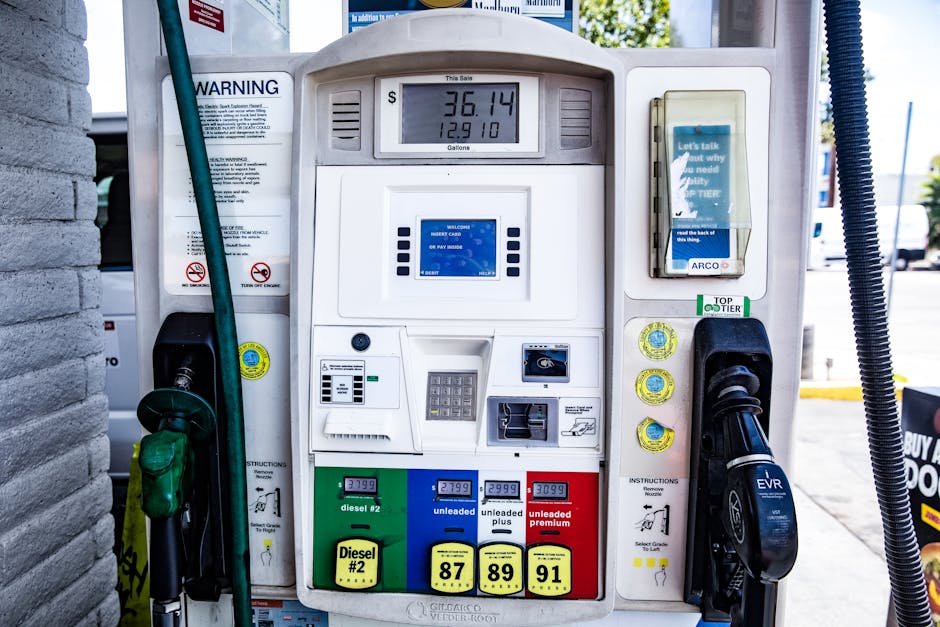
- The US average gas price has surpassed $4 a gallon due to ongoing global factors.
- Energy Secretary Wright warns gas prices may not drop below $3 a gallon until next year.
- The energy crisis is affecting various industries, including transportation and manufacturing.
- The US is vulnerable to global energy market fluctuations as the world’s largest oil consumer.
- Diversifying energy sources is crucial for addressing the country’s dependence on foreign oil.
The average gas price in the United States has surpassed $4 a gallon, marking a significant increase from just a few months ago. This surge has left many Americans struggling to afford their daily commutes, and the situation may not improve anytime soon. According to Energy Secretary Wright, gas prices may not drop below $3 a gallon until next year, a stark warning that has sparked concerns about the country’s economic outlook. The energy crisis is having a ripple effect on various industries, from transportation to manufacturing, and its impact is being felt by millions of people across the country.
The Current State of the Energy Market

The recent spike in gas prices can be attributed to a combination of factors, including the ongoing conflict in Ukraine, supply chain disruptions, and increased demand. The energy market is highly volatile, and any disruptions to global supply chains can have a significant impact on prices. As the world’s largest consumer of oil, the United States is particularly vulnerable to fluctuations in the global energy market. The current situation is a stark reminder of the country’s dependence on foreign oil and the need to diversify its energy sources. With the summer driving season approaching, the demand for gas is expected to increase, which could further exacerbate the situation.
Key Factors Contributing to the Price Surge

Several key factors have contributed to the recent surge in gas prices. The conflict in Ukraine has disrupted global oil supplies, leading to a shortage of crude oil. Additionally, the Organization of the Petroleum Exporting Countries (OPEC) has been slow to increase production, which has further reduced the global supply of oil. The COVID-19 pandemic has also played a role, as lockdowns and travel restrictions have led to a decrease in oil demand, causing oil prices to drop. However, as the pandemic has subsided, demand has increased, leading to a surge in prices. Furthermore, the United States’ decision to ban Russian oil imports has also contributed to the price increase, as it has reduced the global supply of oil.
Analyzing the Impact of the Price Surge
The impact of the gas price surge is being felt across various industries, from transportation to manufacturing. The increased cost of gas is affecting businesses, particularly those in the transportation sector, as they struggle to maintain their profit margins. Consumers are also feeling the pinch, as they are forced to pay more for gas, which is eating into their disposable income. The surge in gas prices is also having a broader impact on the economy, as it is contributing to inflation and reducing consumer spending power. According to experts, the price surge could also have a negative impact on the country’s economic growth, as it could lead to reduced consumer spending and investment.
Implications of the Prolonged Price Surge
The implications of the prolonged gas price surge are far-reaching and could have a significant impact on various stakeholders. Consumers will continue to feel the pinch, as they are forced to pay more for gas, which could lead to reduced consumer spending and economic growth. Businesses, particularly those in the transportation sector, will also be affected, as they struggle to maintain their profit margins. The surge in gas prices could also have a negative impact on the country’s economic growth, as it could lead to reduced consumer spending and investment. Furthermore, the prolonged price surge could also lead to increased poverty and inequality, as low-income households are disproportionately affected by the increase in gas prices.
Expert Perspectives
Experts have differing opinions on the gas price surge, with some arguing that it is a short-term phenomenon, while others believe that it could be a long-term trend. Some experts argue that the surge in gas prices is a result of the ongoing conflict in Ukraine and the COVID-19 pandemic, and that prices will decrease once these factors subside. Others, however, believe that the surge is a result of more fundamental factors, such as the country’s dependence on foreign oil and the need to diversify its energy sources. According to Energy Secretary Wright, the situation is complex, and there is no easy solution to the problem.
As the situation continues to unfold, it is essential to keep a close eye on the developments in the energy market. The gas price surge is a complex issue, and its implications are far-reaching. While some experts believe that the surge is a short-term phenomenon, others argue that it could be a long-term trend. One thing is certain, however: the country needs to diversify its energy sources and reduce its dependence on foreign oil to mitigate the impact of future price surges. As the summer driving season approaches, it will be interesting to see how the situation develops and what measures the government and other stakeholders take to address the issue.