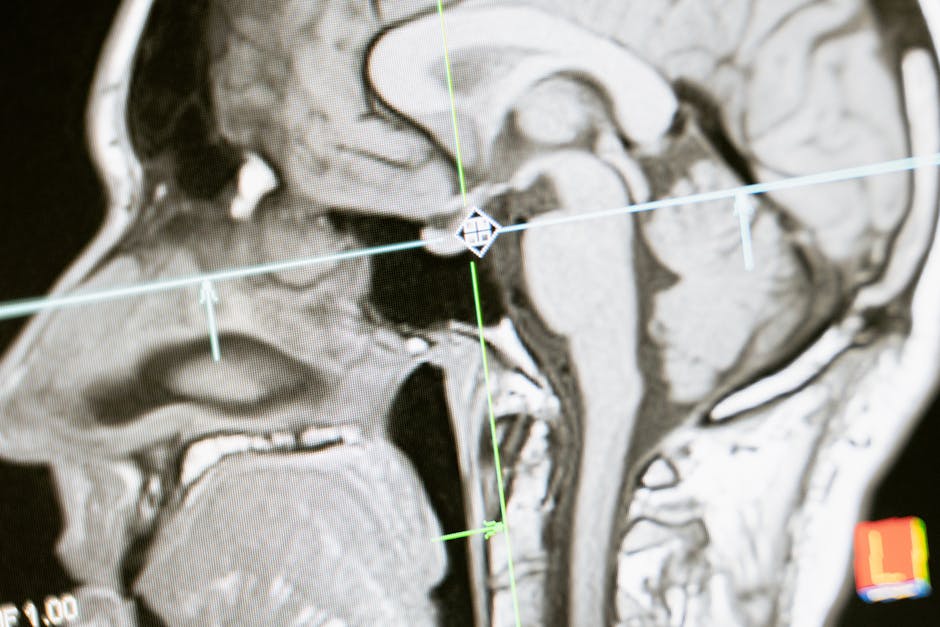
- Fatherhood can rewire the male brain, leading to significant changes in behavior, emotions, and physical characteristics.
- New fathers experience a transformation in brain structure and function, driven by demands of childcare and hormonal changes.
- The brains of new fathers typically show shrinking in some areas and growth in others, indicating a remarkable adaptation to fatherhood.
- Hormones such as oxytocin, vasopressin, and testosterone play a crucial role in bonding, attachment, and parental behavior in new fathers.
- Dad brain changes often lead to increased emotional sensitivity, reduced aggression, and a stronger desire to nurture and care for children.
According to a recent study, fatherhood can actually rewire the male brain, leading to significant changes in behavior, emotions, and even physical characteristics. This phenomenon, often referred to as “dad brain,” is a fascinating area of research that has garnered significant attention in recent years. In fact, scientists have found that the brains of new fathers undergo a remarkable transformation, with some areas of the brain actually shrinking while others grow. This transformation is thought to be driven by the demands of childcare and the need for fathers to adapt to their new role.
The Neuroscience of Fatherhood

The concept of dad brain is not just a figure of speech, but a real neurological phenomenon that has been observed in studies. Research has shown that the brains of new fathers exhibit changes in the structure and function of certain regions, including the amygdala, the hypothalamus, and the anterior cingulate cortex. These changes are thought to be driven by the release of hormones such as oxytocin, vasopressin, and testosterone, which play a crucial role in bonding, attachment, and parental behavior. As a result, new fathers often experience a range of emotional and behavioral changes, including increased emotional sensitivity, reduced aggression, and a stronger desire to nurture and care for their children.
From Bachelor to Father

So, what happens to the male brain when a man becomes a father? One of the most significant changes is the reduction in testosterone levels, which can lead to a decrease in aggression and competitiveness. At the same time, the brain’s reward system is activated, releasing dopamine and other feel-good chemicals that reinforce paternal behavior. This can lead to a range of changes, including increased patience, empathy, and selflessness. Additionally, new fathers often experience changes in their sleep patterns, appetite, and stress levels, as their bodies adapt to the demands of childcare. As one researcher noted, “Fatherhood is a powerful trigger for change in the male brain, and it can have a profound impact on a man’s behavior, emotions, and relationships.”
The Benefits of Dad Brain
While the concept of dad brain may seem daunting, the changes that occur in the male brain as a result of fatherhood are generally positive. In fact, research has shown that fathers who are more involved in childcare tend to have lower rates of depression, anxiety, and substance abuse. Additionally, the emotional and behavioral changes that occur as a result of dad brain can lead to stronger, more meaningful relationships with their children, partners, and community. As one expert noted, “The changes that occur in the male brain as a result of fatherhood are a natural and necessary part of becoming a good father. By embracing these changes, men can become more empathetic, nurturing, and supportive partners and parents.”
Raising the Next Generation
The implications of dad brain are far-reaching, and can have a significant impact on the way we raise our children. By recognizing the importance of fatherhood and the changes that occur in the male brain, we can work to create a more supportive and inclusive environment for new fathers. This can involve providing resources and services that cater to the unique needs of fathers, such as parenting classes, support groups, and mental health services. As one researcher noted, “By acknowledging the importance of dad brain, we can help to create a more equitable and compassionate society, where fathers are valued and supported in their role as caregivers and parents.”
Expert Perspectives
Experts in the field of neuroscience and psychology have weighed in on the concept of dad brain, offering a range of perspectives on its significance and implications. Some have argued that the changes that occur in the male brain as a result of fatherhood are a natural and necessary part of human evolution, while others have suggested that they may be driven by cultural and societal factors. As one expert noted, “The concept of dad brain is complex and multifaceted, and it requires a nuanced and interdisciplinary approach to fully understand its significance and implications.”
As research continues to uncover the secrets of dad brain, one thing is clear: fatherhood has a profound impact on the male mind, and it is an area that deserves further study and exploration. By examining the changes that occur in the male brain as a result of fatherhood, we can gain a deeper understanding of the complexities of human behavior and the importance of paternal care. As one researcher noted, “The study of dad brain is a rapidly evolving field, and it has the potential to revolutionize our understanding of masculinity, fatherhood, and human relationships.”