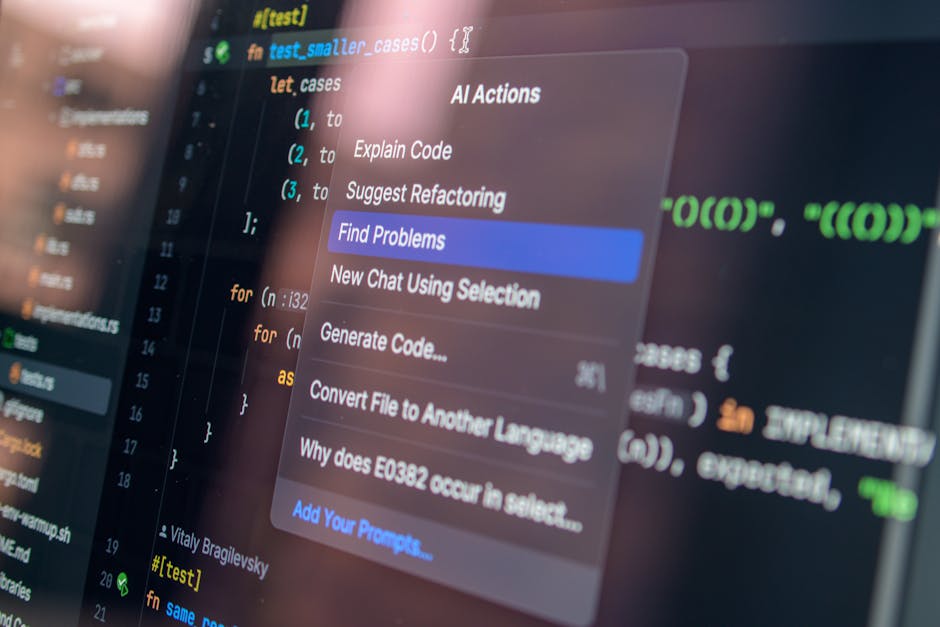
- GPT-4 excels in complex coding tasks with its large context window, making it suitable for advanced programming scenarios.
- Claude demonstrates strong capabilities in understanding and refactoring existing code, a valuable feature for developers looking to improve their codebase.
- Gemini offers a balanced approach with reliable performance and innovative features, catering to a wide range of coding needs.
- AI coding tools have varying degrees of proficiency, highlighting the importance of choosing the right tool based on specific coding requirements.
- The integration of AI in coding is enhancing developer productivity and efficiency, but tools like GPT-4, Claude, and Gemini still have limitations.
The world of coding has witnessed a significant shift with the emergence of AI-powered tools designed to assist developers in their work. As a solo developer, I have had the opportunity to work with GPT-4, Claude, and Gemini for the past three months, utilizing them daily to streamline my coding processes. What struck me initially was the varying degrees of proficiency each tool exhibited in handling different aspects of coding, from boilerplate generation to understanding existing code structures. In this article, I will delve into the strengths and weaknesses of each tool, providing an honest breakdown of their capabilities and limitations.
Introduction to AI Coding Tools

The integration of AI into coding has been hailed as a revolutionary step, aimed at enhancing developer productivity and reducing the time spent on mundane tasks. Tools like GPT-4, Claude, and Gemini have been at the forefront of this revolution, each boasting unique features tailored to meet the diverse needs of the coding community. GPT-4, with its large context window, has been particularly adept at handling complex coding tasks, while Claude has shown a remarkable ability to understand and refactor existing code. Gemini, on the other hand, has been lauded for its balance between innovation and reliability. Understanding the current landscape of these tools is crucial, as their impact on the coding world continues to grow.
Key Features and Performance

A closer examination of GPT-4 reveals its strengths in generating boilerplate code and producing excellent JSON output. The function calling capabilities of GPT-4 are also noteworthy, demonstrating a high level of accuracy and reliability. However, it is not without its weaknesses, as it can sometimes provide confidently incorrect information on obscure APIs, a issue that requires careful vetting by the developer. In contrast, Claude 3.5 Sonnet excels at understanding existing code structures, making it an invaluable tool for refactoring modules. Its ability to explain the reasoning behind its suggested changes is a feature that sets it apart, offering developers a deeper understanding of the code modifications. Despite its strengths, Claude can be overly cautious, which may lead to missed opportunities for optimization.
Analysis and Comparison
An analysis of the performance of these tools highlights the importance of understanding their respective strengths and weaknesses. GPT-4’s large context window is a significant advantage in handling complex, lengthy coding tasks. However, its propensity for errors in lesser-known APIs underscores the need for developer vigilance. Claude’s cautious approach, while sometimes limiting, ensures a high degree of accuracy and code integrity. Gemini, balancing between these extremes, offers a versatile coding experience that caters to a wide range of development needs. The choice between these tools ultimately depends on the specific requirements of the project and the preferences of the developer.
Implications for Developers
The implications of using GPT-4, Claude, and Gemini are far-reaching, with each tool having the potential to significantly impact the development process. For developers looking to streamline their workflow and reduce the time spent on boilerplate code, GPT-4 might be the preferred choice. Those involved in complex, legacy code projects may find Claude’s refactoring capabilities indispensable. The decision to adopt one or more of these tools should be based on a thorough evaluation of project needs and the tool’s ability to meet those needs, ensuring that the integration of AI into the coding process enhances productivity without compromising code quality.
Expert Perspectives
Experts in the field offer contrasting viewpoints on the adoption of AI coding tools. Some hail these tools as the future of coding, emphasizing their potential to revolutionize the way developers work. Others express caution, highlighting the risks associated with relying on AI for critical coding tasks and the need for ongoing human oversight. As the technology continues to evolve, it will be important to consider these perspectives and to continuously assess the role of AI in coding.
Looking forward, the key question is how these tools will continue to evolve and improve. Will they become even more integrated into the development process, or will their limitations lead to the development of new, more refined tools? The answer to this question will depend on the feedback from the developer community and the ability of the tools’ creators to address the current weaknesses and limitations. As the landscape of AI in coding continues to shift, staying informed about the latest developments and advancements will be crucial for developers aiming to stay at the forefront of their field.