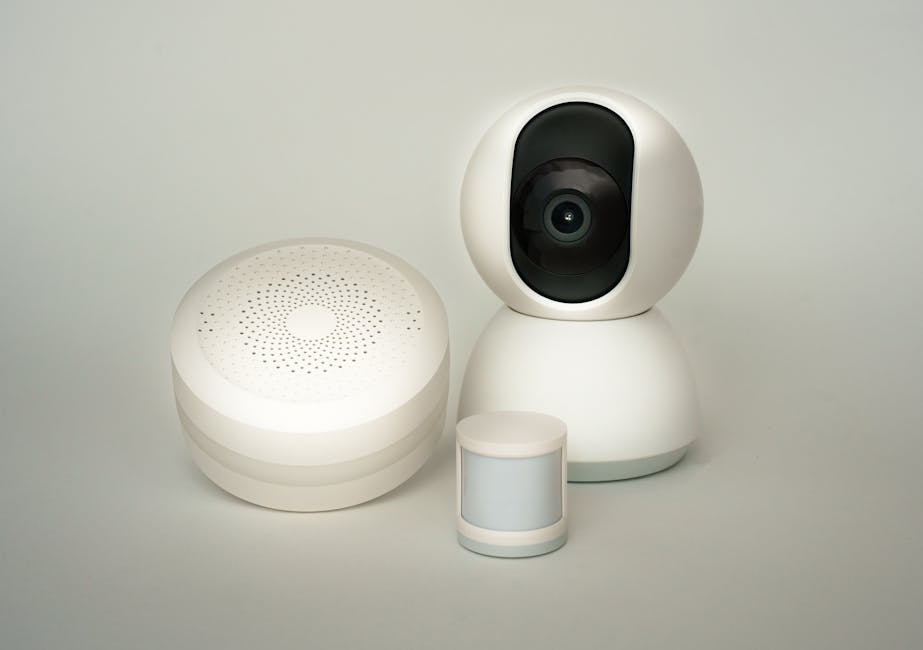
- The smart home market is expected to reach $146 billion by 2026, with over 50% of homeowners investing in smart devices.
- Smart home technology can boost curb appeal, making homes more attractive to potential buyers and increasing their value by up to 10%.
- Smart home devices can be integrated with existing home systems for a convenient and efficient way to control various aspects of the home.
- Key players in the smart home market include companies like August, Ring, and Philips Hue, offering a range of smart home accessories.
- Smart home accessories can enhance security, energy efficiency, and convenience while maintaining a home’s exterior aesthetic.
The smart home market is expected to reach $146 billion by 2026, with over 50% of homeowners investing in smart devices to enhance their living spaces. One of the most significant advantages of smart home technology is its ability to boost curb appeal, making homes more attractive to potential buyers and increasing their value. With the rise of smart home accessories, homeowners can now add automation to their homes without compromising their exterior aesthetic. In fact, a recent survey found that 75% of homeowners believe that smart home devices can increase their home’s value by up to 10%.
Revolutionizing Home Automation

The latest smart home accessories are designed to seamlessly integrate with existing home systems, providing a convenient and efficient way to control various aspects of the home. From smart locks to smart lights, these devices offer a range of benefits, including enhanced security, energy efficiency, and increased convenience. Moreover, many smart home accessories are now designed with aesthetics in mind, making it possible for homeowners to add automation without compromising their home’s style. For instance, smart locks with sleek designs and smart lights with customizable colors can enhance the overall look and feel of a home’s exterior.
Key Players in the Smart Home Market

Several key players are driving the smart home market forward, including companies like August, Ring, and Philips Hue. These companies offer a range of smart home accessories, from smart locks and doorbells to smart lights and thermostats. For example, August’s smart locks offer advanced security features, such as biometric authentication and remote monitoring, while Ring’s smart doorbells provide motion detection and video recording capabilities. Philips Hue’s smart lights, on the other hand, offer customizable colors and scheduling features, making it possible for homeowners to create a unique and inviting atmosphere.
Analysis of the Smart Home Trend
The rise of the smart home trend can be attributed to several factors, including advancements in technology, increasing consumer demand, and the growing need for convenience and efficiency. According to a recent report, the smart home market is expected to grow at a compound annual growth rate (CAGR) of 12% from 2023 to 2026, driven by the increasing adoption of smart home devices and the growing demand for voice-controlled assistants. Furthermore, the integration of artificial intelligence (AI) and machine learning (ML) in smart home devices is expected to enhance their functionality and performance, making them more appealing to consumers.
Implications for Homeowners
The implications of the smart home trend are significant for homeowners, as it offers a range of benefits, including increased convenience, enhanced security, and improved energy efficiency. With smart home accessories, homeowners can control various aspects of their home remotely, receive notifications and alerts, and monitor their home’s energy consumption. Moreover, smart home devices can also help homeowners to reduce their energy bills and minimize their carbon footprint. For instance, smart thermostats can learn a home’s temperature preferences and adjust the temperature accordingly, while smart lights can be scheduled to turn off when not in use.
Expert Perspectives
Experts in the field of smart home technology offer contrasting viewpoints on the trend. Some believe that the smart home market will continue to grow, driven by advancements in technology and increasing consumer demand. Others, however, are concerned about the potential risks and challenges associated with smart home devices, such as cybersecurity threats and interoperability issues. According to a recent survey, 60% of experts believe that the smart home market will reach $200 billion by 2028, while 40% believe that it will reach $150 billion.
Looking ahead, the smart home market is expected to continue its growth trajectory, with new innovations and technologies emerging to enhance the functionality and performance of smart home devices. As the market evolves, it will be interesting to see how homeowners adopt and integrate smart home accessories into their daily lives. One open question is how the smart home market will address the issue of interoperability, making it possible for devices from different manufacturers to work seamlessly together. Additionally, the growing demand for voice-controlled assistants is expected to drive the adoption of smart home devices, making it easier for homeowners to control their homes with just their voice.