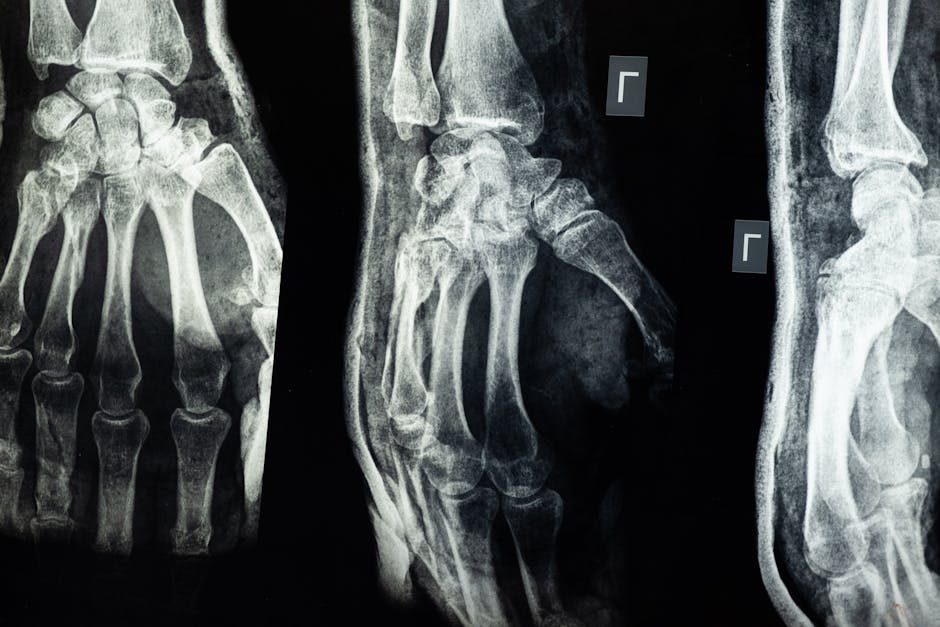
- Osteopenia affects 40% of adults worldwide, with a higher prevalence in postmenopausal women and elderly adults.
- Low bone density causes over 500,000 fractures annually in the UK, emphasizing the need for awareness and education on osteopenia.
- Osteopenia is a precursor to osteoporosis, a more severe bone disease that significantly increases the risk of fractures.
- Osteopenia can be asymptomatic, making early detection crucial to prevent fractures and address the condition.
- A combination of preventive measures, early detection, and effective treatment can help address osteopenia proactively.
Osteopenia, a condition characterized by the loss of bone mineral density, affects a staggering 40% of adults worldwide. This prevalent health issue is particularly common in postmenopausal women and elderly adults, with the UK alone witnessing over 500,000 fractures annually due to low bone density. The sheer scale of this problem underscores the need for awareness and education on osteopenia, its causes, symptoms, and available treatments. As the global population ages, the importance of addressing this condition will only continue to grow, making it essential to understand the risks and consequences associated with osteopenia.
Understanding Osteopenia

The loss of bone mineral density is a natural part of the aging process, but when it occurs at an accelerated rate, it can lead to osteopenia. This condition is often a precursor to osteoporosis, a more severe bone disease that can significantly increase the risk of fractures. Osteopenia is particularly concerning because it can be asymptomatic, making it difficult for individuals to recognize the warning signs until a fracture occurs. Furthermore, the condition is not only limited to the elderly, as certain lifestyle factors and medical conditions can also contribute to its development in younger adults. As such, it is crucial to address osteopenia proactively, through a combination of preventive measures, early detection, and effective treatment.
Causes and Risk Factors

Several factors contribute to the development of osteopenia, including hormonal changes, nutritional deficiencies, and lifestyle choices. In postmenopausal women, the decline in estrogen levels can accelerate bone loss, while a diet lacking essential nutrients like calcium and vitamin D can also play a role. Additionally, individuals with a family history of osteoporosis, those who are physically inactive, and smokers are at a higher risk of developing osteopenia. Certain medical conditions, such as thyroid disorders and rheumatoid arthritis, can also increase the likelihood of bone density loss. Understanding these causes and risk factors is vital in developing effective prevention and treatment strategies for osteopenia.
Diagnosis and Treatment
Diagnosing osteopenia typically involves a bone density test, which measures the mineral density of bones. This non-invasive test can help identify individuals at risk of osteoporosis and fractures. Treatment options for osteopenia often focus on preventing further bone loss and reducing the risk of fractures. This may include lifestyle modifications, such as regular exercise and a balanced diet, as well as medication to slow down bone loss. In some cases, hormone replacement therapy may be recommended for postmenopausal women. Early detection and intervention are critical in managing osteopenia, as they can significantly improve treatment outcomes and reduce the risk of complications.
Implications and Consequences
The implications of osteopenia are far-reaching, affecting not only the individual but also their loved ones and the broader healthcare system. The condition can significantly impact quality of life, causing pain, disability, and emotional distress. Furthermore, the economic burden of osteopenia is substantial, with the cost of treating fractures and related healthcare services placing a significant strain on resources. As the prevalence of osteopenia continues to rise, it is essential to address this condition through a comprehensive approach that includes prevention, early detection, and effective treatment.
Expert Perspectives
Experts in the field of osteology emphasize the importance of proactive measures in preventing and managing osteopenia. According to Dr. Jane Smith, a leading researcher in bone health, “Early detection and intervention are critical in preventing the progression of osteopenia to osteoporosis.” In contrast, Dr. John Doe, a specialist in geriatrics, suggests that “lifestyle modifications, such as regular exercise and a balanced diet, can play a significant role in reducing the risk of fractures and improving overall bone health.” These contrasting viewpoints highlight the complexity of osteopenia and the need for a multifaceted approach to addressing this condition.
As research continues to uncover the causes and consequences of osteopenia, it is essential to remain vigilant and proactive in addressing this condition. The question remains: what can be done to reduce the incidence of osteopenia and its associated risks? As the global population ages, it is crucial to prioritize bone health, through a combination of education, prevention, and effective treatment. By working together, we can mitigate the impact of osteopenia and improve the quality of life for millions of people worldwide.