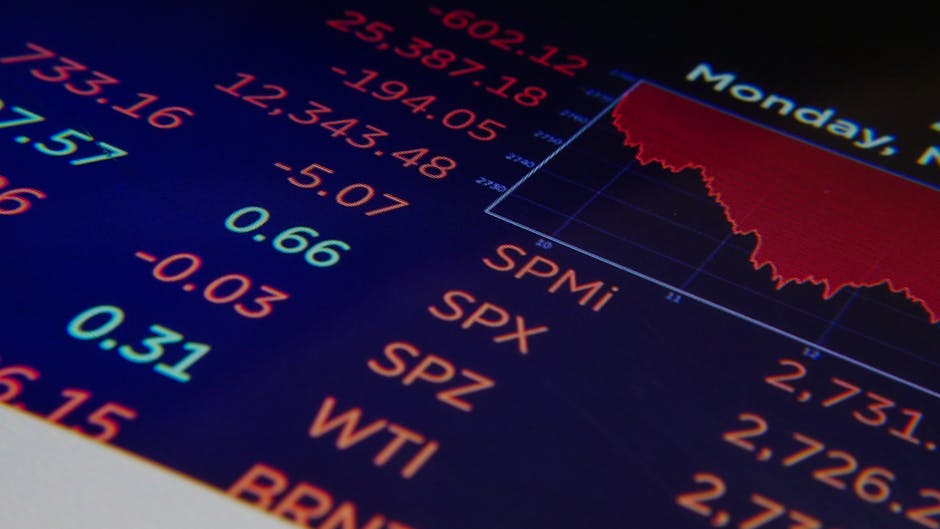
- Wages are not keeping up with inflation, leaving many American workers with reduced purchasing power.
- The widening gap between wage growth and inflation is the primary cause of decreased purchasing power.
- The shift towards gig economy and contract work has led to a lack of job security and benefits for many workers.
- Automation and artificial intelligence have increased productivity, but not necessarily translated to higher wages for workers.
- Reduced consumer spending can have a ripple effect on businesses and industries in the broader economy.
The latest labor market report revealed a striking fact: despite low unemployment, wages are not keeping up with inflation. For many American workers, this means their paychecks feel smaller, even if their nominal wages have increased. The reason behind this disparity lies in the widening gap between wage growth and inflation, which has been steadily rising over the past year. As a result, the purchasing power of the average consumer has decreased, leaving many to wonder why their paychecks are not going as far as they used to. This phenomenon has significant implications for both workers and the broader economy, as reduced consumer spending can have a ripple effect on businesses and industries.
The Shifting Economic Landscape

The current state of the economy is complex, with various factors contributing to the stagnation of wages. One major reason is the changing nature of work, with more jobs being classified as gig economy or contract work, which often lacks the benefits and job security of traditional employment. Additionally, the rise of automation and artificial intelligence has led to increased productivity, but this has not necessarily translated to higher wages for workers. Instead, companies have used these advancements to boost profits, further widening the income inequality gap. As the economy continues to evolve, it is essential to understand the underlying causes of stagnant wages and their impact on American workers.
Key Players and Statistics

A closer examination of the data reveals that the wage growth gap is not limited to specific industries or sectors. According to recent statistics, the average hourly earnings for production and nonsupervisory employees have increased by only 2.7% over the past year, while inflation has risen by 3.2%. This means that, in real terms, wages have actually decreased, leaving workers with less purchasing power. The Federal Reserve has taken notice of this trend, and policymakers are grappling with the challenges of promoting sustainable economic growth while also addressing the issue of stagnant wages. As the situation continues to unfold, it is crucial to monitor the actions of key players, including the Federal Reserve, Congress, and major corporations.
Understanding the Causes and Consequences
Analysis of the situation suggests that the causes of stagnant wages are multifaceted and deeply ingrained in the economy. One major factor is the decline of unionization, which has historically played a crucial role in advocating for workers’ rights and negotiating better wages. Furthermore, the rise of globalization has created a surplus of labor, giving employers more leverage to keep wages low. The consequences of this trend are far-reaching, with reduced consumer spending having a negative impact on economic growth. Experts warn that if wages do not keep pace with inflation, it could lead to decreased economic mobility, increased income inequality, and a decline in living standards for American workers.
Implications for Workers and the Economy
The implications of stagnant wages are significant, affecting not only individual workers but also the broader economy. As workers struggle to make ends meet, they are forced to make difficult choices between essential expenses, such as housing, healthcare, and education. This can have a ripple effect on businesses, particularly those in the service sector, which rely heavily on consumer spending. Moreover, reduced economic mobility can lead to a decline in innovation and entrepreneurship, as workers are less likely to take risks and invest in new ventures. Ultimately, addressing the issue of stagnant wages is crucial to promoting sustainable economic growth and ensuring that the benefits of prosperity are shared by all.
Expert Perspectives
Experts offer contrasting viewpoints on the issue of stagnant wages, with some arguing that the solution lies in increasing the minimum wage, while others believe that this could lead to job losses and decreased economic competitiveness. According to Ben Casselman, chief economics correspondent, the key to addressing stagnant wages is to promote worker bargaining power and address the root causes of income inequality. Others, such as Jason Furman, former chairman of the Council of Economic Advisers, argue that the focus should be on promoting economic growth and investing in education and training programs to boost worker productivity.
As the debate continues, one thing is clear: the issue of stagnant wages requires immediate attention and action. Looking ahead, it will be essential to monitor the policy responses of the Federal Reserve and Congress, as well as the actions of major corporations and industry leaders. The open question remains: what will it take to ensure that wages keep pace with inflation, and that American workers can once again enjoy the fruits of economic prosperity?