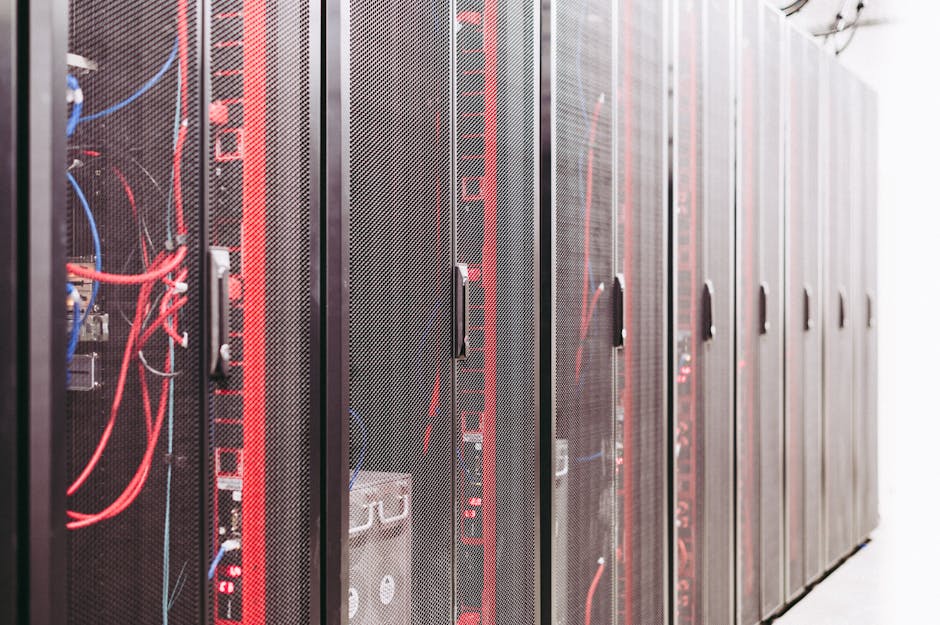
- 70% of US data center construction projects are behind schedule, with some delays spanning over a year.
- Data center construction delays are affecting the tech sector, which relies heavily on these facilities to operate efficiently.
- The need for data centers has increased due to the proliferation of cloud computing, artificial intelligence, and the Internet of Things.
- Construction delays are caused by challenges in obtaining permits, securing power supply, and overcoming local resistance to new projects.
- Energy bottlenecks are a significant concern, as data centers require substantial power and existing infrastructure is often insufficient.
A striking 70% of US data center construction projects are currently behind schedule, with some delays spanning over a year, according to recent satellite and drone image analysis. This revelation comes as the demand for data storage and processing continues to soar, driven by the proliferation of cloud computing, artificial intelligence, and the Internet of Things. The delays are not only affecting the data center industry but also having a ripple effect on the broader technology sector, which relies heavily on these facilities to operate efficiently. As the world becomes increasingly digital, the need for data centers has never been more pressing, making these delays a significant concern for tech companies and investors alike.
Construction Challenges and Energy Bottlenecks

The current delays in data center construction are largely attributed to challenges in obtaining necessary permits, securing power supply, and overcoming local resistance to new projects. Many communities are pushing back against data center developments due to concerns over energy consumption, water usage, and the environmental impact of these operations. Furthermore, the energy requirements of data centers are substantial, and the existing power infrastructure in many areas is insufficient to meet these needs, leading to bottlenecks in energy supply. This combination of factors has resulted in significant delays, as companies struggle to navigate these complexities and find suitable locations for their facilities. The situation is further complicated by the rapid pace of technological advancement, which demands ever-more powerful and efficient data processing capabilities, thereby increasing the strain on data center resources.
Key Players and Projects Affected

Major tech companies, including Amazon, Google, and Microsoft, are among those affected by the delays in data center construction. These companies have ambitious plans for expansion, aiming to meet the growing demand for cloud services and support the development of emerging technologies like AI and machine learning. However, their efforts are being hindered by the inability to bring new data centers online as scheduled. For instance, projects in Virginia, a hub for data center activity, have faced significant pushback from local communities, leading to delays and revisions in construction plans. Similarly, efforts to expand data center capacity in other regions are being slowed by the challenges in securing adequate power supply and addressing environmental concerns.
Analyzing the Causes and Consequences
The root causes of the delays in data center construction are multifaceted, involving not only logistical and infrastructural challenges but also societal and environmental concerns. On one hand, the rapid growth of the digital economy has created an unprecedented demand for data storage and processing, driving the need for more data centers. On the other hand, the environmental footprint of these facilities, including high energy consumption and water usage, has become a point of contention. Analysis of the situation reveals that addressing these delays will require a holistic approach, involving technological innovation to reduce the environmental impact of data centers, policy changes to streamline the permitting process, and community engagement to address local concerns. Moreover, data on energy consumption and efficiency metrics suggests that investing in renewable energy sources and improving the design of data centers to be more sustainable could mitigate some of the current challenges.
Implications for the Tech Industry and Beyond
The implications of delayed data center construction are far-reaching, affecting not only the tech industry but also the broader economy. For tech companies, these delays can mean lost revenue opportunities, as the inability to expand capacity can limit their ability to offer services and support business growth. Beyond the tech sector, the delays can impact industries that rely on cloud computing and data analytics, such as finance, healthcare, and retail, by limiting their access to necessary computational resources. Furthermore, the slowdown in data center construction can have geopolitical implications, as countries compete to become hubs for data storage and processing, seeking to attract tech investments and foster digital innovation.
Expert Perspectives
Experts in the field offer contrasting viewpoints on how to address the challenges facing data center construction. Some advocate for a more streamlined regulatory process to reduce bureaucratic hurdles, while others emphasize the need for sustainable practices and community involvement in the development process. According to industry analysts, the key to overcoming current bottlenecks lies in adopting innovative technologies that reduce energy consumption and environmental impact, thereby making data centers more acceptable to local communities and more viable in the long term. Moreover, experts suggest that a forward-looking approach, considering not just current needs but future demands and technological advancements, is crucial for planning and developing data center infrastructure effectively.
Looking ahead, the data center industry will need to navigate these challenges while keeping pace with technological evolution and growing demand. A critical aspect to watch will be how companies balance the need for expansion with the imperative to reduce their environmental footprint. An open question remains how regulatory frameworks will adapt to support the sustainable growth of the data center industry, and what role government policies will play in incentivizing innovation and mitigating the negative impacts of data center operations. As the digital economy continues to expand, finding solutions to these challenges will be essential for supporting the growth of the tech sector and ensuring that the benefits of digital innovation are accessible to all.