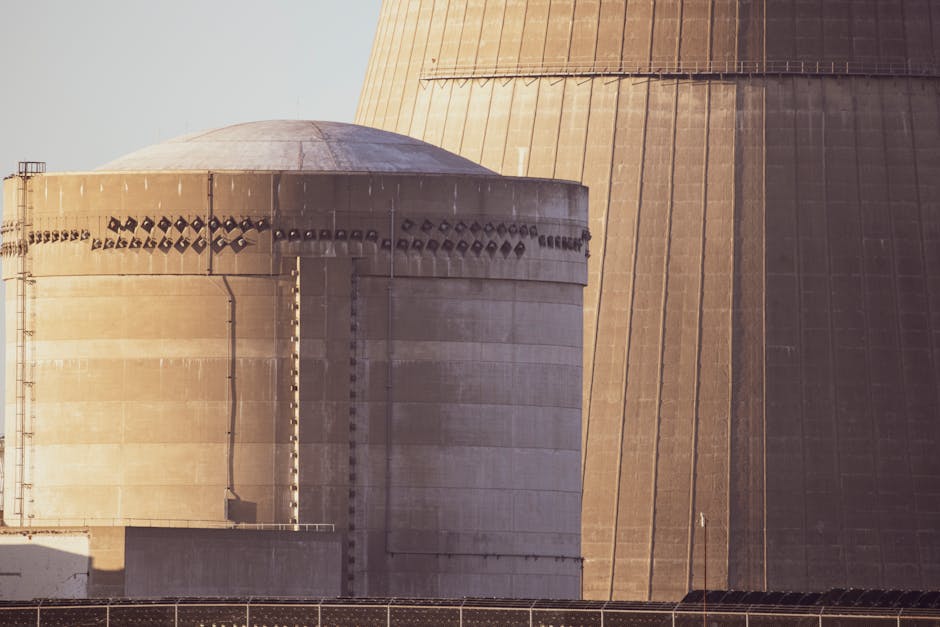
- US President Donald Trump seeks to broker a nuclear deal with Iran, focusing on their uranium enrichment programme.
- The Iranian nuclear programme has been a point of contention for years, with the international community expressing concerns over the regime’s intentions and capabilities.
- Previous attempts at negotiating a nuclear deal with Iran have failed, raising questions about the success of Trump’s initiative.
- The implications of a nuclear deal with Iran would be far-reaching and multifaceted, affecting the global economy and regional stability.
- Trump’s motivations for pursuing a deal now, amidst the US presidential election, have sparked intense debate and speculation.
The United States and Iran have been engaged in a tumultuous relationship for decades, with tensions escalating to the point of war on two separate occasions. Despite these hostilities, US President Donald Trump is once again attempting to broker a nuclear deal with the Iranian regime, focusing specifically on their uranium enrichment programme. This development has sparked intense interest and debate, as the implications of such a deal would be far-reaching and multifaceted. With the US presidential election looming, the timing of this initiative has raised questions about Trump’s motivations and the potential consequences for the global economy.
Nuclear Ambitions and Economic Sanctions

The Iranian nuclear programme has been a point of contention for years, with the international community expressing concerns over the regime’s intentions and capabilities. The US, in particular, has been vocal in its opposition to Iran’s nuclear ambitions, imposing stringent economic sanctions in an effort to curtail their development. However, these sanctions have had a devastating impact on the Iranian economy, leading to widespread poverty and discontent among the population. As Trump seeks to negotiate a new deal, he must balance the need to address the nuclear issue with the reality of Iran’s economic struggles and the potential for instability in the region.
A History of Failed Negotiations

Previous attempts at negotiating a nuclear deal with Iran have been marked by false starts and broken promises. The 2015 Joint Comprehensive Plan of Action (JCPOA), brokered by the Obama administration, was hailed as a major breakthrough but ultimately collapsed under the weight of mutual distrust and recrimination. Trump’s decision to withdraw from the JCPOA in 2018 and reimpose sanctions on Iran led to a significant escalation of tensions, with both sides engaging in a war of words and, on occasion, actual military conflict. The key question now is whether Trump can succeed where his predecessors have failed, and what concessions he might be willing to make in order to secure a deal.
Analysis and Expert Opinion
Experts point to several factors that could influence the outcome of these negotiations, including the upcoming US presidential election, the ongoing COVID-19 pandemic, and shifting alliances in the Middle East. The Iranian regime, meanwhile, is facing its own set of challenges, from economic stagnation to growing discontent among the population. As talks progress, analysts will be watching closely for signs of flexibility from both sides, as well as any indications of what a potential deal might look like. One thing is certain: the stakes are high, and the consequences of failure could be severe, not just for the US and Iran but for the global economy as a whole.
Implications and Potential Outcomes
The implications of a successful nuclear deal between the US and Iran would be far-reaching, with potential benefits for both economies and the global community. A reduction in tensions and the easing of economic sanctions could lead to increased trade and investment, creating new opportunities for growth and development. However, there are also risks involved, particularly if the deal is perceived as being too lenient or if it fails to address the underlying concerns about Iran’s nuclear programme. As the negotiations unfold, all parties involved will need to carefully consider these factors and work towards a solution that balances competing interests and priorities.
Expert Perspectives
Experts are divided on the likelihood of a successful outcome, with some expressing cautious optimism and others warning of the significant challenges that lie ahead. According to Dr. Sanam Vakil, deputy director of the Middle East and North Africa programme at Chatham House, ‘The US and Iran are engaged in a complex game of diplomacy, with multiple factors at play. While there are reasons to be hopeful, the history of failed negotiations and the deep-seated mistrust between the two sides mean that a successful outcome is far from guaranteed.’ Meanwhile, other analysts, such as Dr. Trita Parsi, executive vice president of the Quincy Institute for Responsible Statecraft, argue that ‘the window for a deal is rapidly closing, and the US needs to be willing to make significant concessions if it wants to secure a meaningful agreement.’
As the world watches the negotiations unfold, one thing is clear: the next few weeks and months will be critical in determining the outcome. Will Trump be able to broker a deal, or will the talks collapse under the weight of competing interests and priorities? The answer to this question will have significant implications, not just for the US and Iran but for the global economy and the future of international relations. As the stakes continue to rise, all parties involved will need to remain vigilant and focused on finding a solution that works for everyone involved.