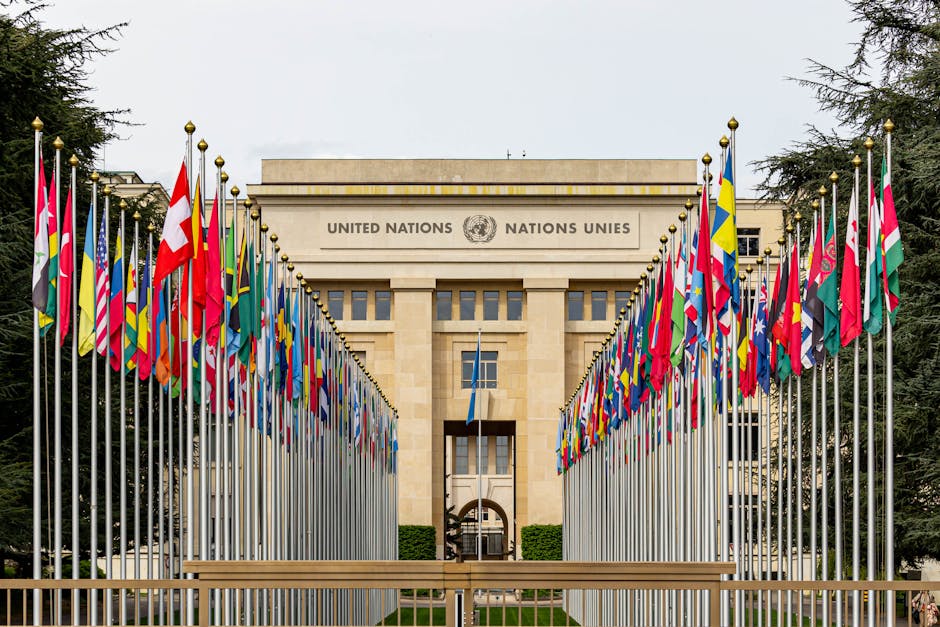
- Global conflicts have risen by over 30% in the past year, raising concerns about the potential for a major war.
- Nationalism, resource competition, and power struggles between major world powers are driving the current surge in global conflicts.
- The Middle East remains unstable, with ongoing conflicts in Syria, Yemen, and Libya showing no signs of resolution.
- The international community is struggling to address the scale and complexity of these global challenges.
- The risk of miscalculation and unintended consequences is increasing as tensions between nations escalate.
The world is witnessing a disturbing trend of escalating tensions between nations, with the number of global conflicts rising by over 30% in the past year alone. This startling statistic has sparked widespread concern among diplomats, policymakers, and citizens alike, as the threat of all-out war looms larger than ever. The sheer scale and complexity of these conflicts have left many wondering if the international community is equipped to handle the challenges that lie ahead. As the situation continues to deteriorate, it is becoming increasingly clear that the consequences of inaction will be catastrophic.
The Current State of Global Affairs

The recent surge in global conflicts can be attributed to a combination of factors, including the rise of nationalism, the increasing competition for resources, and the growing divide between major world powers. The ongoing tensions between the United States, China, and Russia have created a volatile atmosphere, with each nation vying for dominance on the world stage. Meanwhile, the Middle East remains a hotbed of conflict, with the ongoing struggles in Syria, Yemen, and Libya showing no signs of abating. As the international community struggles to find a solution to these seemingly intractable problems, the risk of miscalculation and unintended consequences continues to grow.
Key Players and Interests

The current landscape of global conflict is characterized by a complex web of alliances, rivalries, and competing interests. The United States, as the world’s preeminent military power, continues to play a major role in shaping global events, while China’s rising influence has created a new dynamic in international relations. Russia, meanwhile, has sought to reassert its position as a major world power, often through provocative and aggressive means. The European Union, for its part, has struggled to find a unified voice on matters of foreign policy, leaving it vulnerable to the whims of larger powers. As these nations navigate the treacherous waters of global politics, the stakes have never been higher.
Causes and Consequences
Experts point to a range of factors as contributing to the rising tide of global conflict, including the decline of international institutions, the spread of extremist ideologies, and the growing wealth gap between nations. The consequences of these conflicts are far-reaching and devastating, with millions of people displaced, injured, or killed, and entire economies left in ruins. The environmental impact of war is also a major concern, as the destruction of infrastructure and natural resources threatens the very foundations of human civilization. As the international community grapples with the challenges of global conflict, it is clear that a new approach is needed, one that prioritizes diplomacy, cooperation, and sustainable development.
Implications and Aftermath
The implications of global conflict are profound and far-reaching, with the potential to affect nearly every aspect of modern life. From the economy and trade to the environment and human rights, the consequences of war will be felt for generations to come. The most vulnerable populations, including refugees, women, and children, will be disproportionately affected, as they are often forced to bear the brunt of conflict and displacement. As the world struggles to come to terms with the reality of global conflict, it is essential that policymakers and citizens alike take a long-term view, recognizing that the consequences of inaction will be catastrophic and irreversible.
Expert Perspectives
Experts are divided on the best course of action to address the rising threat of global conflict, with some advocating for a more robust military response, while others argue for a renewed focus on diplomacy and international cooperation. According to Dr. Maria Rodriguez, a leading expert on conflict resolution, “the key to preventing further escalation lies in addressing the underlying causes of conflict, including poverty, inequality, and social injustice.” In contrast, General James Johnson argues that “a strong military presence is essential for maintaining stability and deterring aggression,” highlighting the complexities and challenges of finding a solution to this pressing global issue.
As the world looks to the future, one thing is clear: the threat of global conflict will not be easily resolved. The coming months and years will be marked by uncertainty and instability, as nations and international institutions struggle to navigate the complexities of modern warfare. The question on everyone’s mind is: what will be the trigger that sets off the next major conflict, and how will the international community respond? Only time will tell, but one thing is certain: the stakes have never been higher, and the consequences of inaction will be devastating.