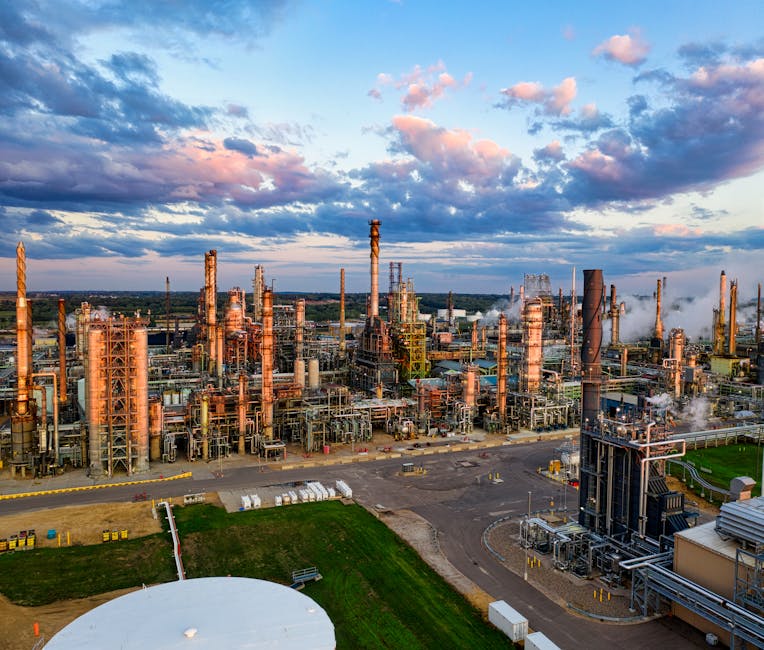
- The Strait of Hormuz is a vital waterway responsible for nearly a third of the world’s seaborne oil exports.
- A brief closure of the strait led to a surge in oil prices, with Brent crude rising to over $70 a barrel.
- The reopening of the strait has brought relief to politicians and industry leaders, averting a potential global economic downturn.
- The Strait of Hormuz has long been a flashpoint in the region due to tensions between the US and Iran over freedom of navigation.
- The strait’s closure raised concerns about a disruption to global oil supplies, potentially leading to higher prices and economic instability.
The Strait of Hormuz, a vital waterway that accounts for nearly a third of the world’s seaborne oil exports, has reopened after a brief closure that sent oil prices surging. The reopening has been met with relief from politicians and industry leaders, who had warned of a potential global economic downturn if the strait remained closed. With the flow of oil resumes, the global economy can breathe a sigh of relief, at least for now. The strait’s closure had caused oil prices to spike, with Brent crude rising to over $70 a barrel, its highest level in months. The reopening is a welcome respite for consumers and businesses, who had been bracing for higher energy costs.
Background to the Crisis

The Strait of Hormuz has long been a flashpoint in the region, with the US and Iran engaging in a war of words over freedom of navigation and oil exports. The recent escalation of tensions between the two countries had raised fears of a military conflict, which could have had devastating consequences for the global economy. The strait’s closure had also raised concerns about the potential for a disruption to global oil supplies, which could have led to higher prices and economic instability. The reopening of the strait is a significant development, but it is unclear whether it will lead to a lasting easing of tensions between the US and Iran.
The Role of the US and Iran

The US and Iran have been engaged in a bitter dispute over the strait, with the US accusing Iran of attempting to disrupt oil exports and Iran accusing the US of trying to strangle its economy. The recent closure of the strait was seen as a significant escalation of the conflict, with Iran seizing several oil tankers and the US responding with military deployments to the region. The reopening of the strait is seen as a significant concession by Iran, but it is unclear what concessions the US may have made in return. The US has been seeking to isolate Iran economically and diplomatically, while Iran has been seeking to maintain its oil exports and resist US pressure.
Analysis of the Situation
The reopening of the Strait of Hormuz is a complex development, with multiple factors at play. On the one hand, it is a significant relief for the global economy, which had been bracing for a potential oil price shock. On the other hand, it is unclear whether the reopening will lead to a lasting easing of tensions between the US and Iran. The conflict between the two countries is deeply rooted in geopolitical and ideological differences, and it is unlikely that a single development will resolve the issues. Furthermore, the reopening of the strait may have significant implications for the global oil market, with potential consequences for oil prices and energy security.
Implications of the Reopening
The reopening of the Strait of Hormuz has significant implications for the global economy and the oil market. With the flow of oil resumes, oil prices are likely to stabilize, and the global economy can avoid a potential downturn. However, the reopening also raises questions about the future of the global oil market, with potential consequences for energy security and the environment. The conflict between the US and Iran has also raised concerns about the potential for a disruption to global oil supplies, which could have significant implications for the global economy. As the situation continues to evolve, it is likely that the global community will be watching closely to see how the US and Iran navigate their differences and maintain the flow of oil through the strait.
Expert Perspectives
Experts are divided on the implications of the reopening of the Strait of Hormuz. Some see it as a significant development that could lead to a lasting easing of tensions between the US and Iran, while others believe that it is a temporary reprieve and that the conflict is far from over. According to Dr. Sanam Vakil, a Middle East expert at Chatham House, “The reopening of the Strait of Hormuz is a welcome development, but it is unlikely to lead to a lasting resolution of the conflict between the US and Iran.” On the other hand, Dr. Trita Parsi, a former president of the National Iranian American Council, believes that the reopening could be a significant opportunity for diplomacy and a potential breakthrough in the conflict.
As the situation continues to evolve, it is likely that the global community will be watching closely to see how the US and Iran navigate their differences and maintain the flow of oil through the strait. The reopening of the Strait of Hormuz is a significant development, but it is only the beginning of a long and complex process. The question on everyone’s mind is what comes next, and whether the US and Iran can find a way to resolve their differences and maintain the stability of the global oil market. One thing is certain, however: the world will be watching closely as this situation continues to unfold.