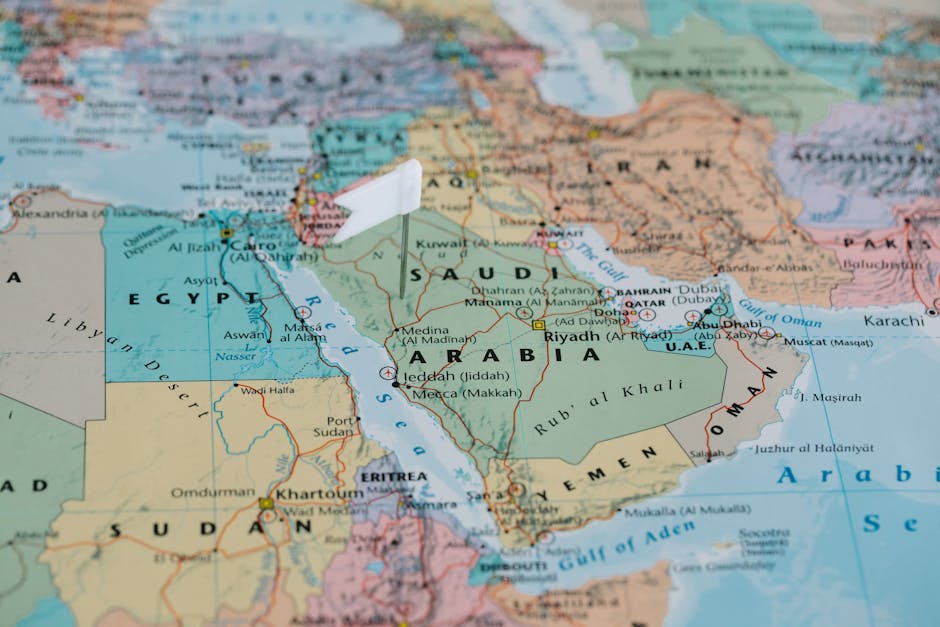
- The Strait of Hormuz is a critical chokepoint in the global energy supply chain, with nearly 20% of the world’s oil passing through it.
- A recent attack on a tanker by gunboats in the Strait has raised concerns about the safety of this vital trade route.
- The Strait of Hormuz has long been a source of tension between nations due to its strategic location and prized possession by regional powers.
- The region has seen a surge in attacks on shipping vessels, with some incidents attributed to state-sponsored actors.
- The situation in the Strait of Hormuz threatens to disrupt the delicate balance of the global energy market.
A striking fact underscores the volatility of the Strait of Hormuz: nearly 20% of the world’s oil passes through this narrow waterway, making it a critical chokepoint in the global energy supply chain. Recently, a maritime agency reported that a tanker was fired on by gunboats in the Strait, sending shockwaves through the shipping industry and raising concerns about the safety of this vital trade route. The incident is a stark reminder of the region’s instability and the risks that ships face when navigating these treacherous waters. As the investigation into the attack continues, one thing is clear: the Strait of Hormuz remains a flashpoint for global conflict.
Background to the Crisis

The Strait of Hormuz has long been a source of tension between nations, with its strategic location making it a prized possession for regional powers. The waterway connects the Persian Gulf to the Gulf of Oman, providing the only sea route for oil exports from Iran, Iraq, and other Gulf states. In recent years, the region has experienced a surge in attacks on shipping vessels, with some incidents attributed to state-sponsored actors. The latest attack on the tanker is just the latest in a series of escalating incidents that have raised the stakes for global trade and energy security. As the world’s top oil-consuming nations look on with bated breath, the situation in the Strait of Hormuz continues to deteriorate, threatening to disrupt the delicate balance of the global energy market.
The Attack on the Tanker

According to reports, the tanker was fired on by gunboats while transiting the Strait of Hormuz, in an incident that has been condemned by maritime authorities and governments around the world. The ship’s owner has confirmed that the vessel suffered damage but thankfully, there were no reported casualties among the crew. The attack is believed to have been carried out by Iranian-backed militia groups, although Tehran has denied any involvement. As the investigation into the incident continues, shipping companies are on high alert, with many rerouting their vessels to avoid the troubled waters of the Strait. The attack on the tanker has also sparked a diplomatic row, with the United States and its allies calling for calm and restraint in the region.
Analysis of the Incident
Experts point to a complex web of factors that contributed to the attack on the tanker, including rising tensions between Iran and the United States, as well as ongoing conflicts in the region. The incident has also highlighted the vulnerability of shipping vessels to attack, particularly in high-risk areas like the Strait of Hormuz. According to data from the International Maritime Organization, there has been a significant increase in reported incidents of piracy and armed robbery against ships in the region, with some attacks resulting in significant damage and loss of life. As the global economy continues to rely heavily on maritime trade, the need for effective security measures to protect shipping vessels has never been more pressing. With the situation in the Strait of Hormuz showing no signs of improving, the international community is faced with a daunting challenge: how to safeguard the free flow of trade while preventing further escalation of the conflict.
Implications of the Attack
The attack on the tanker has far-reaching implications for global trade and energy security, with the potential to disrupt oil supplies and drive up prices. The incident has already led to a spike in insurance premiums for ships transiting the Strait, making it more expensive for companies to operate in the region. Furthermore, the attack has raised concerns about the safety of crew members and the potential for environmental damage in the event of a major spill. As the world’s top oil-producing nations scramble to respond to the crisis, the attack on the tanker serves as a stark reminder of the fragility of the global energy system and the need for concerted international action to prevent further instability in the region.
Expert Perspectives
Experts are divided on the motivations behind the attack, with some arguing that it was a deliberate attempt to disrupt global oil supplies, while others see it as a miscalculation by Iranian-backed militia groups. According to one analyst, the attack on the tanker is a classic example of the ‘security dilemma’ in which one side’s efforts to increase its own security reduces the security of others. As the situation in the Strait of Hormuz continues to unfold, experts warn that the international community must be vigilant in its response, taking care to avoid actions that could escalate the conflict further. With the region teetering on the brink of chaos, the need for a coordinated and nuanced response has never been more pressing.
Looking ahead, the key question on everyone’s mind is what will happen next in the Strait of Hormuz. Will the attack on the tanker be a one-off incident, or will it mark the beginning of a new wave of violence in the region? As the investigation into the incident continues, one thing is clear: the international community must remain vigilant and work together to prevent further instability in this critical waterway. With the global economy hanging in the balance, the stakes could not be higher, and the need for effective diplomacy and cooperation has never been more urgent.