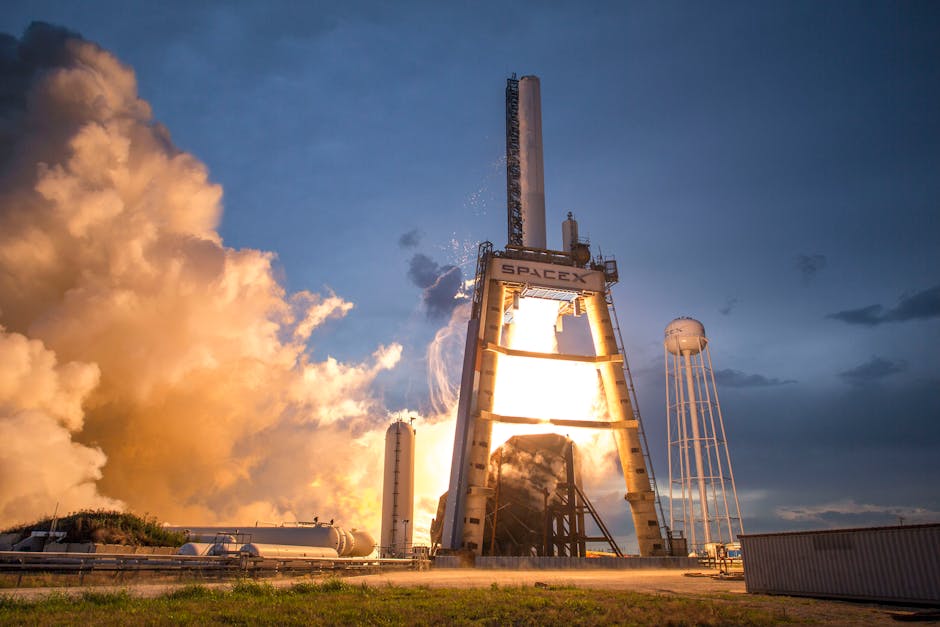
- The Artemis II mission marked a significant milestone in space exploration with a 10-day journey to the Moon and back.
- The crew’s experiences highlighted the complexities and challenges of space travel, as well as the mission’s remarkable achievements.
- The Artemis II mission paved the way for future lunar exploration, providing valuable insights into the possibilities and limitations of space travel.
- The mission tested the capabilities of the Orion spacecraft and the Space Launch System (SLS) rocket for future lunar missions.
- The lessons learned from Artemis II will be essential in overcoming the obstacles of more ambitious missions to come.
The Artemis II mission has marked a significant milestone in space exploration, with the crew successfully completing a 10-day journey to the Moon and back. In their first press conference since splashing down, the astronauts recounted their experiences, providing a unique glimpse into the historic mission. The crew’s testimony highlighted the complexities and challenges of space travel, as well as the remarkable achievements of the mission. With the Artemis II mission paving the way for future lunar exploration, the crew’s insights are invaluable in understanding the possibilities and limitations of space travel.
Mission Overview

The Artemis II mission was a crucial step towards NASA’s goal of establishing a sustainable presence on the Moon. The 10-day journey was designed to test the capabilities of the Orion spacecraft and the Space Launch System (SLS) rocket, which will be used for future lunar missions. The crew’s experiences during the mission will inform the development of future spacecraft and mission plans, ensuring that astronauts are better equipped to handle the challenges of space travel. As the space agency prepares for more ambitious missions, the lessons learned from Artemis II will be essential in overcoming the obstacles that lie ahead.
Key Mission Details

The Artemis II crew consisted of experienced astronauts who underwent rigorous training to prepare for the mission. During their time in space, the crew conducted a series of tests and experiments, including a close flyby of the Moon’s surface. The mission also marked the first time a crewed spacecraft had traveled to the Moon since the Apollo era, making it a significant achievement for NASA and the space community. The crew’s successful splashdown and recovery marked the end of the mission, but the data and insights gathered during the journey will continue to be analyzed and studied in the coming months.
Analysis and Implications
The success of the Artemis II mission has significant implications for the future of space exploration. The mission demonstrated the viability of the Orion spacecraft and the SLS rocket, paving the way for more ambitious missions to the Moon and beyond. The crew’s experiences and insights will also inform the development of new technologies and strategies for deep space travel, enabling astronauts to travel farther and stay longer in space. As NASA and its partners continue to push the boundaries of space exploration, the lessons learned from Artemis II will be essential in overcoming the challenges that lie ahead.
Mission Legacy
The Artemis II mission has left a lasting legacy in the world of space exploration. The crew’s bravery and dedication have inspired a new generation of astronauts and engineers, who will be instrumental in shaping the future of space travel. The mission has also marked a significant step towards NASA’s goal of establishing a sustainable presence on the Moon, with the crew’s experiences and insights providing a foundation for future missions. As the space agency continues to push the boundaries of space exploration, the Artemis II mission will be remembered as a pivotal moment in the history of space travel.
Expert Perspectives
Experts in the field of space exploration have praised the success of the Artemis II mission, highlighting its significance in the context of NASA’s long-term goals. According to Dr. Maria Zuber, a leading expert in planetary science, the mission has demonstrated the viability of the Orion spacecraft and the SLS rocket, paving the way for more ambitious missions to the Moon and beyond. However, other experts have noted that the mission also raises important questions about the sustainability and cost-effectiveness of deep space travel, highlighting the need for further research and development.
As the space community continues to analyze the data and insights gathered during the Artemis II mission, one question remains: what’s next for NASA and its partners? With the Artemis III mission scheduled to launch in the near future, the space agency is poised to take the next step in its ambitious plans for lunar exploration. As astronauts prepare to return to the Moon and establish a sustainable presence, the lessons learned from Artemis II will be essential in ensuring the success of future missions.