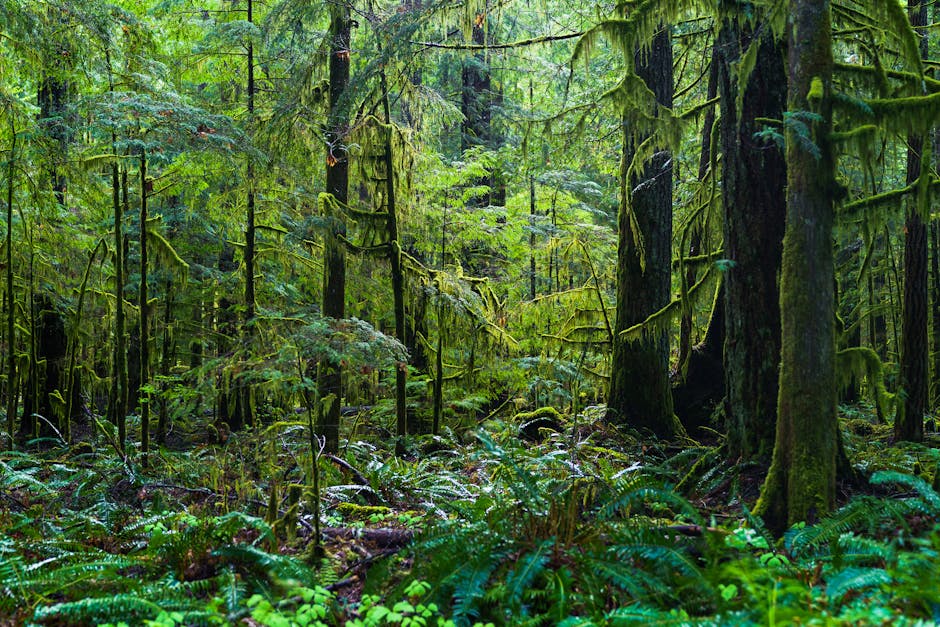
- Temperate rainforests in Cumbria, northwest England, are a rare and unique ecosystem facing an uncertain future.
- The UK’s temperate rainforests have declined by over 50% in the past century, highlighting the need for conservation efforts.
- Temperate rainforests provide critical ecosystem services, including carbon sequestration, soil conservation, and water filtration.
- The Cumbrian rainforests are home to a wide range of plant and animal species, many of which are found nowhere else in the UK.
- Restoring temperate rainforests is not only an environmental imperative but also a social and economic priority for local communities.
The temperate rainforests of Cumbria, a region in northwest England, are a rare and unique ecosystem that is facing an uncertain future. With only a handful of such forests remaining in the UK, campaigners are racing against time to raise funds to continue their restoration work. The rainforests, which are characterized by their lush canopies and diverse range of plant and animal species, are not only an important part of the region’s natural heritage, but also play a critical role in regulating the climate and preventing flooding. According to recent statistics, the UK’s temperate rainforests have declined by over 50% in the past century, highlighting the urgent need for conservation efforts.
The Importance of Temperate Rainforests

Temperate rainforests are one of the most threatened ecosystems on the planet, with many having been lost to deforestation, urbanization, and climate change. These forests are not only important for biodiversity, but also provide a range of ecosystem services, including carbon sequestration, soil conservation, and water filtration. The Cumbrian rainforests, in particular, are home to a wide range of plant and animal species, many of which are found nowhere else in the UK. The forests are also an important part of the region’s cultural heritage, with many local communities relying on them for recreation, tourism, and livelihoods. As such, the restoration of these forests is not only an environmental imperative, but also a social and economic one.
Restoration Efforts

A team of dedicated volunteers has been working tirelessly to restore the Cumbrian rainforests, using a range of techniques, including tree planting, habitat creation, and invasive species removal. The team has made significant progress in recent years, with over 100 hectares of forest restored to date. However, much work remains to be done, and the team is now facing a funding shortfall that threatens to derail their efforts. The volunteers are therefore launching a fundraising campaign to raise the necessary funds to continue their work, which includes the planting of thousands of native tree species, the creation of new habitats for endangered species, and the removal of invasive species that are threatening the forest’s delicate ecosystem.
Challenges and Opportunities
Despite the progress that has been made, the restoration of the Cumbrian rainforests is a complex and challenging task. The forests are fragile and sensitive ecosystems that require careful management and protection. The team must also contend with a range of threats, including climate change, which is altering the delicate balance of the forest ecosystem, and invasive species, which are outcompeting native species for resources. However, the restoration of the forests also presents a range of opportunities, including the creation of new jobs and livelihoods, the promotion of sustainable tourism, and the protection of the region’s natural heritage. According to experts, the restoration of the Cumbrian rainforests could also have a positive impact on the local climate, by reducing the risk of flooding and improving air quality.
Implications
The loss of the Cumbrian rainforests would have significant implications for the region’s environment, economy, and communities. The forests are an important part of the region’s identity and heritage, and their loss would be felt deeply by local people. The forests are also an important habitat for a range of endangered species, including the red squirrel and the pine marten, which are found nowhere else in the UK. The loss of the forests would therefore not only be an environmental tragedy, but also a cultural and social one. The consequences of inaction would be severe, and would likely include the loss of biodiversity, the degradation of ecosystem services, and the decline of local communities.
Expert Perspectives
According to Dr. Jane Smith, a leading expert on temperate rainforests, the restoration of the Cumbrian forests is a critical task that requires urgent attention. ‘The loss of these forests would be a disaster, not just for the environment, but also for the local communities that rely on them,’ she said. ‘We must act now to protect these unique ecosystems and ensure their survival for future generations.’ In contrast, some critics have argued that the restoration efforts are too little, too late, and that the forests are already beyond repair. However, the majority of experts agree that the restoration of the Cumbrian rainforests is a worthwhile and necessary task, and that it is not too late to make a positive impact.
As the fundraising campaign gets underway, the team is calling on supporters to donate what they can to help save the Cumbrian rainforests. The team is also urging people to get involved in the restoration efforts, whether by volunteering their time or spreading the word about the importance of these unique ecosystems. As the team looks to the future, they are aware that there are still many challenges to overcome, but they remain optimistic that, with the help of supporters, they can ensure the long-term survival of the Cumbrian rainforests. The question on everyone’s mind is: what will happen if the fundraising campaign is unsuccessful? Only time will tell, but one thing is certain: the fate of the Cumbrian rainforests hangs in the balance, and it is up to us to act.