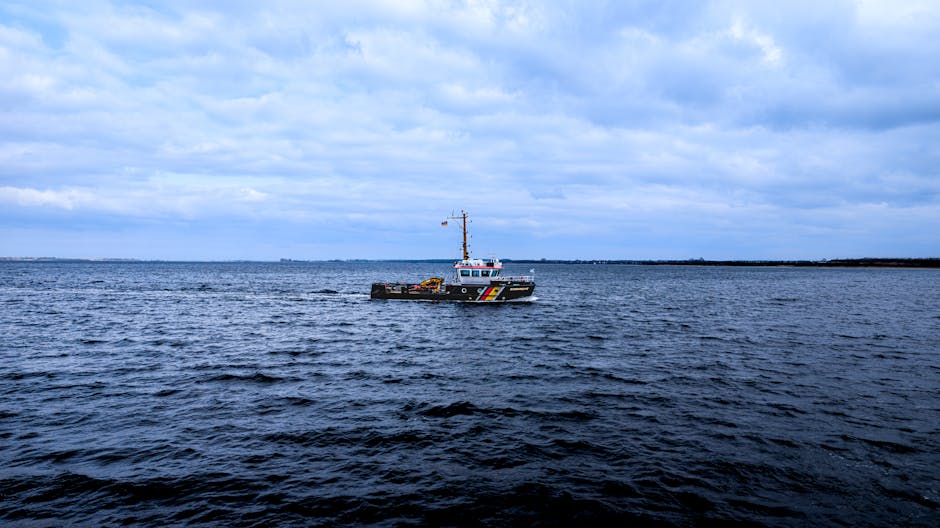
- A humpback whale named Timmy has been stranded in the Baltic Sea for over a month, prompting international rescue efforts.
- The rescue highlights the importance of marine conservation and the impact of human activities on marine life in the Baltic Sea.
- The Baltic Sea’s ecosystem is under threat from pollution, overfishing, and climate change, making Timmy’s stranding a pressing concern.
- The rescue effort to save Timmy is a complex operation, with experts from around the world contributing to the cause.
- Timmy’s stranding raises questions about the health of our oceans and the need for more effective conservation measures to protect marine ecosystems.
A striking fact has emerged from the Baltic Sea, where a humpback whale, named Timmy, has been stranded for over a month, captivating the attention of tourists, media, and rescue teams alike. With its massive body struggling to free itself from the shallow waters, the rescue efforts have become an international spectacle, drawing in experts from around the world. The situation is precarious, with no guarantee of success, as the whale’s health continues to deteriorate. As the days turn into weeks, the clock is ticking for Timmy, and the rescue team is racing against time to save the majestic creature.
The Great Baltic Rescue

The rescue efforts to save Timmy are not just a matter of saving a single whale; they also highlight the broader issue of marine conservation and the impact of human activities on marine life. The Baltic Sea, where Timmy is stranded, is a sensitive ecosystem that is already under threat from pollution, overfishing, and climate change. The fact that a humpback whale, a species that is not typically found in the Baltic Sea, has become stranded here, raises important questions about the health of our oceans and the need for more effective conservation measures. As the world watches the rescue efforts unfold, it is a stark reminder of the importance of protecting our marine ecosystems and the creatures that inhabit them.
A Desperate Bid for Freedom

According to reports from the rescue team, Timmy’s situation is becoming increasingly desperate. The whale is estimated to be around 10-15 years old and is struggling to free itself from the shallow waters of the Baltic Sea. The rescue team, which includes experts from Germany, Denmark, and the Netherlands, has been working tirelessly to try and coax Timmy back into deeper waters. However, the efforts have been hindered by the whale’s reluctance to move and the challenges of navigating the shallow waters. As the days turn into weeks, the rescue team is facing a daunting task, with the whale’s health continuing to deteriorate and the risk of injury or death increasing by the hour.
Unraveling the Mystery
Experts are still trying to unravel the mystery of how Timmy ended up stranded in the Baltic Sea. Humpback whales are typically found in warmer waters, such as those found in the Atlantic or Pacific Oceans, and it is rare for them to venture into the Baltic Sea. One theory is that Timmy may have become disoriented while migrating or searching for food, and accidentally swum into the Baltic Sea. Others suggest that changes in ocean currents or temperature may have played a role in the whale’s stranding. As the investigation continues, it is clear that the rescue efforts are not just about saving Timmy, but also about understanding the complex interactions between marine life and their environment.
A Wait-and-See Approach
The implications of Timmy’s stranding are far-reaching, with potential consequences for the entire marine ecosystem. If the rescue efforts are successful, it will not only save the life of a magnificent creature but also provide valuable insights into the behavior and habitat of humpback whales. However, if the efforts fail, it will be a stark reminder of the fragility of marine life and the need for more effective conservation measures. As the world waits with bated breath for the outcome, it is clear that the fate of Timmy is not just a matter of individual concern, but also a reflection of our collective responsibility to protect the health of our oceans.
Expert Perspectives
Experts are divided on the best course of action to take in the rescue efforts, with some arguing that a more aggressive approach is needed to save Timmy, while others advocate for a more cautious approach. “The situation is critical, and we need to act fast to save the whale,” says Dr. Maria Rodriguez, a marine biologist from the University of Hamburg. “However, we also need to be careful not to stress the whale further, which could lead to injury or death,” counters Dr. John Taylor, a wildlife expert from the University of Copenhagen. As the debate continues, it is clear that the rescue efforts are not just a matter of saving a single whale, but also a reflection of our broader values and priorities when it comes to marine conservation.
As the rescue efforts continue, the question on everyone’s mind is what the future holds for Timmy. Will the whale be able to overcome its ordeal and return to its natural habitat, or will it succumb to the challenges of its stranding? Only time will tell, but one thing is certain – the fate of Timmy has captured the hearts and imagination of people around the world, and its story will serve as a powerful reminder of the importance of protecting our marine ecosystems and the creatures that inhabit them. As we wait for the outcome, we are left to ponder the larger question – what can we do to prevent such tragedies from occurring in the future, and how can we work together to protect the health of our oceans and the creatures that call them home?