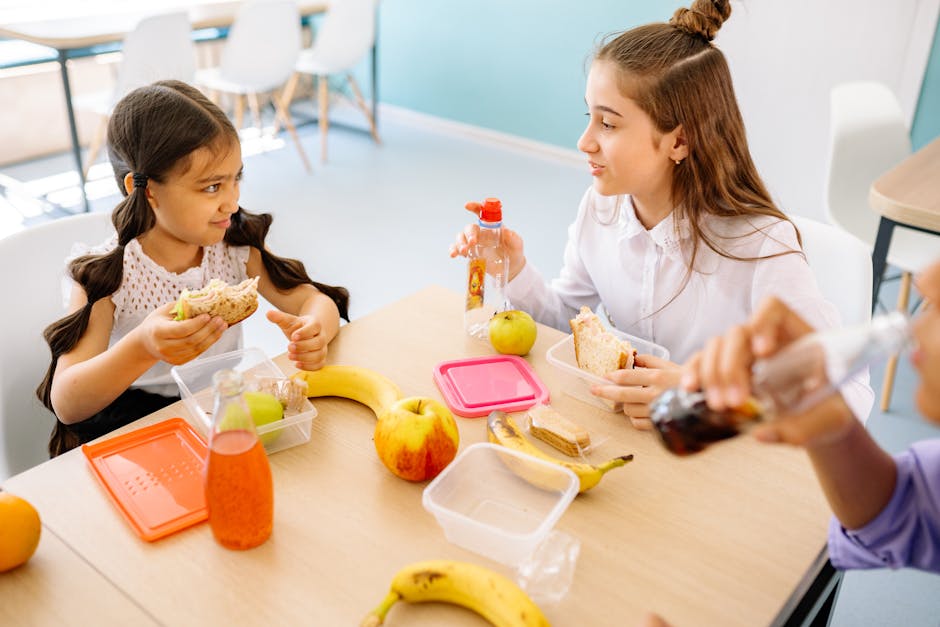
- Pupils in the UK are rejecting healthier school lunch options due to a lack of appealing choices.
- The government’s plan to remove ‘grab and go’ options has sparked a heated debate over school lunches.
- Schools are concerned that removing popular options could lead to pupil boycotts.
- The UK government aims to promote healthier eating habits through its new school lunch plan.
- Pupils are concerned that healthier options may not be as appealing or satisfying.
The UK government’s plan to remove ‘grab and go’ options from school lunch menus has been met with resistance from an unexpected quarter: the pupils themselves. Despite being welcomed by chefs and campaigners, many schools say the plan is a step too far, with some pupils even threatening to boycott the new menus. The proposal, which aims to promote healthier eating habits, has sparked a heated debate about the role of schools in shaping children’s dietary choices. With the average child consuming a significant portion of their daily calories at school, the stakes are high. As one pupil succinctly put it, ‘no cheeseburgers … they would go bankrupt’.
The Current State of School Lunches

It is lunchtime at Richard Challoner school, a Catholic comprehensive for boys in New Malden, south-west London. The familiar smell of school lunch is beginning to waft around the corridors. In the canteen, there is a moment of calm as the kitchen team make final preparations before year 7 descend – a mass of chatting, laughing boys, with backpacks swinging and empty tummies grumbling. The scene is replicated in schools across the country, where the humble school lunch is a staple of daily life. However, with growing concerns about childhood obesity and related health issues, the government has deemed it necessary to intervene. The question is, will the pupils accept the new, healthier options?
Key Details of the Plan

The government’s plan to remove ‘grab and go’ options from school lunch menus is part of a broader initiative to promote healthier eating habits among children. The proposal includes measures such as increasing the amount of fruit and vegetables on offer, reducing sugar and salt content, and providing more whole grain options. While these changes may seem sensible, many pupils are resisting the idea of giving up their favorite treats. Some schools have even reported that pupils are threatening to bring in their own food from home, or opt for expensive and often unhealthy alternatives from local shops. The situation has left school administrators scrambling to find a balance between promoting healthy eating and keeping their pupils happy.
Analysis of the Backlash
The backlash against the government’s plan is not surprising, given the significant changes it proposes. Many pupils have grown accustomed to the convenience and taste of ‘grab and go’ options, and are resistant to change. Moreover, the plan has been criticized for being overly prescriptive, with some arguing that it fails to take into account the diverse needs and preferences of pupils. From a nutritional perspective, the plan has been praised for its emphasis on whole foods and reduced sugar content. However, experts warn that the plan’s success will depend on its implementation, and the willingness of pupils to adapt to the new menus. As one expert noted, ‘the key to success lies in striking a balance between promoting healthy eating and providing options that pupils will actually eat’.
Implications of the Plan
The implications of the government’s plan are far-reaching, with potential consequences for pupils, schools, and the broader community. If successful, the plan could lead to a significant reduction in childhood obesity and related health issues. However, if the plan is met with continued resistance, it could have unintended consequences, such as increased costs for schools and pupils, and a lack of engagement with healthy eating initiatives. Moreover, the plan has sparked a wider debate about the role of schools in shaping children’s dietary choices, and the balance between promoting healthy eating and respecting pupil autonomy. As the situation continues to unfold, one thing is clear: the fate of the school lunch menu will have a significant impact on the health and wellbeing of future generations.
Expert Perspectives
Experts are divided on the issue, with some praising the government’s initiative and others criticizing its approach. Some argue that the plan is a necessary step towards promoting healthier eating habits, while others believe that it is overly restrictive and fails to take into account the complexities of children’s dietary needs. As one expert noted, ‘the plan is a step in the right direction, but it needs to be flexible and adaptable to the needs of different pupils’. Another expert warned that ‘the plan risks being counterproductive, if pupils feel that their choices are being restricted’.
As the debate continues, one thing is clear: the future of the school lunch menu will be shaped by a complex interplay of factors, including pupil preferences, nutritional expertise, and government policy. As we look to the future, the question on everyone’s mind is: what will happen next? Will the government’s plan be successful in promoting healthier eating habits, or will it face continued resistance from pupils? Only time will tell, but one thing is certain – the fate of the school lunch menu will have a lasting impact on the health and wellbeing of future generations.