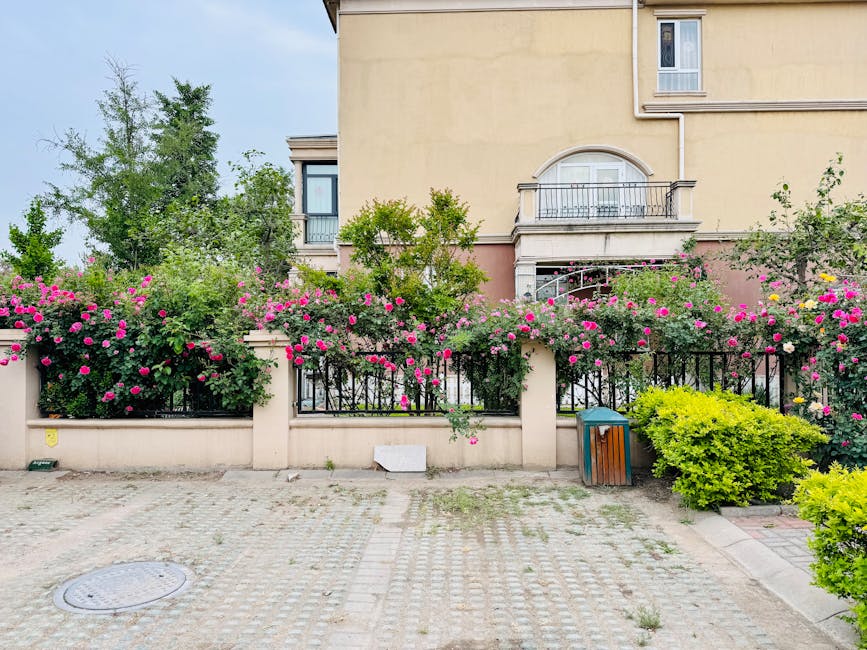
- Private gardens played a vital role in supporting people’s well-being during the first COVID-19 lockdown in the U.K.
- 8 in 10 people reported that their garden helped them cope with the lockdown, highlighting its importance.
- Private gardens provided a sense of community for those who had one, despite physical distancing measures.
- People with access to a private garden reported better mental health and well-being compared to those without.
- Private gardens became a lifeline for many during the lockdown, demonstrating its necessity.
The first COVID-19 lockdown in the U.K. was a challenging time for many, with restrictions on movement and access to public spaces. However, a striking fact emerged during this period: private gardens played a vital role in supporting people’s well-being. A team of researchers led by the University of Aberdeen found that these outdoor spaces helped reduce stress, improve mental health, and provide a sense of community for those who had one. In fact, the study revealed that private gardens were a lifeline for many, with 8 in 10 people reporting that their garden helped them cope with the lockdown.
The Importance of Green Spaces During Lockdown

The COVID-19 lockdown highlighted the importance of green spaces in urban areas. With public parks and gardens closed or heavily restricted, people were forced to find alternative ways to access nature. Private gardens, in particular, became a vital resource for those who had one. The study found that people who had access to a private garden during the lockdown reported better mental health and well-being compared to those who did not. This is not surprising, given the well-documented benefits of spending time in nature, including reduced stress levels, improved mood, and increased physical activity. As the lockdown continued, it became clear that private gardens were not just a luxury, but a necessity for many.
Key Findings from the Study

The study, which surveyed over 1,000 people in the U.K., found that private gardens played a crucial role in supporting people’s well-being during the lockdown. The researchers found that people who had access to a private garden reported higher levels of physical activity, social connection, and mental well-being compared to those who did not. The study also found that private gardens helped reduce stress and anxiety, with many respondents reporting that their garden was a source of comfort and relaxation during a difficult time. The researchers noted that the benefits of private gardens were not limited to physical health, but also had a positive impact on mental health and well-being.
Analysis of the Findings
The study’s findings have significant implications for urban planning and public health policy. The researchers argue that private gardens should be recognized as an important resource for public health, particularly in urban areas where access to green spaces may be limited. The study also highlights the need for policymakers to consider the importance of private gardens in supporting community resilience and well-being during times of crisis. From a data perspective, the study’s findings are consistent with previous research on the benefits of spending time in nature. The researchers note that the study’s results have important implications for the way we design and build our cities, with a focus on incorporating more green spaces and private gardens into urban planning.
Implications for Public Health Policy
The study’s findings have significant implications for public health policy, particularly in terms of urban planning and community development. The researchers argue that policymakers should prioritize the creation and maintenance of green spaces, including private gardens, in urban areas. This could involve initiatives such as community garden projects, green roof programs, and urban forestry initiatives. The study also highlights the need for policymakers to consider the importance of private gardens in supporting community resilience and well-being during times of crisis. As the world continues to urbanize, the importance of private gardens and green spaces will only continue to grow.
Expert Perspectives
Experts in the field of public health and urban planning have welcomed the study’s findings, noting that they highlight the importance of private gardens in supporting community well-being. Dr. Katherine Irvine, a researcher at the University of Aberdeen, noted that the study’s findings have significant implications for urban planning and public health policy. “Our research shows that private gardens are not just a luxury, but a necessity for many people, particularly in urban areas where access to green spaces may be limited,” she said. “We hope that our findings will inform policymakers and urban planners as they design and build our cities for the future.”
Looking to the future, the study’s findings raise important questions about the role of private gardens in supporting community resilience and well-being. As the world continues to urbanize, it is likely that the importance of private gardens and green spaces will only continue to grow. The researchers note that further study is needed to fully understand the benefits of private gardens and to explore ways in which they can be incorporated into urban planning and public health policy. As we look to the future, one thing is clear: private gardens will play a vital role in supporting the health and well-being of urban communities.