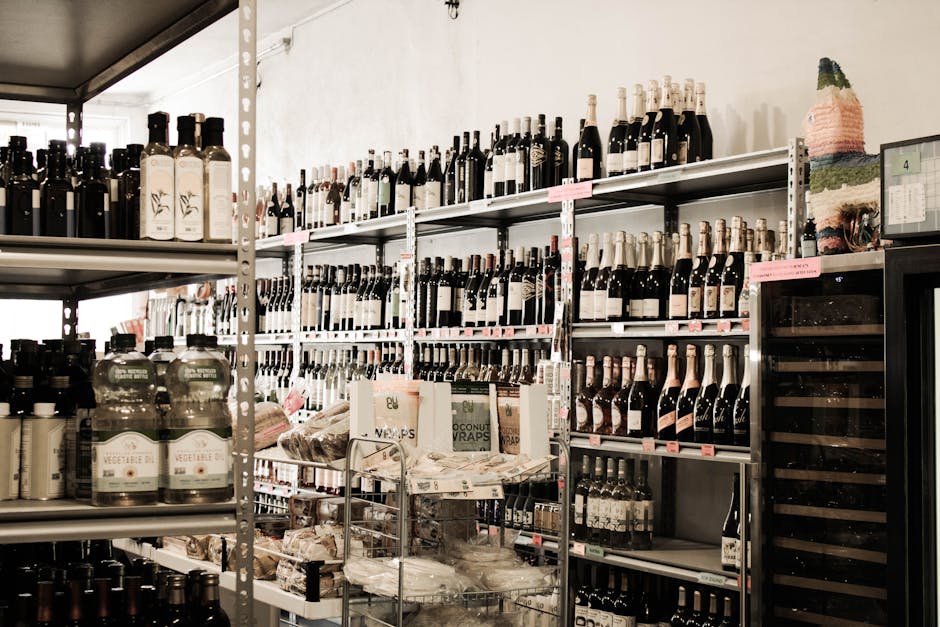
- Mississippi’s liquor stores are running dry due to distribution delays caused by the state’s liquor agency upgrading its warehouse equipment.
- The agency’s decision to replace outdated conveyor belts has resulted in significant delays, leading to shortages and losses for liquor stores and restaurants.
- Industry estimates suggest up to 20% of sales have been lost for some establishments due to the distribution delays.
- Business owners are calling for urgent action to resolve the issue, fearing it could deter visitors and hurt the local economy during the tourism season.
- The situation has sparked concerns among business owners, who are bracing for the worst as the shortages continue and the agency works to resolve the issues.
Mississippi’s liquor stores are running dry, with many restaurants and bars struggling to stock their shelves due to distribution delays. The state’s liquor agency, the Mississippi Alcoholic Beverage Control, has been facing challenges in making timely deliveries since it replaced outdated conveyor belts at its warehouse in January. As a result, liquor stores are experiencing shortages, and businesses are feeling the pinch. According to industry estimates, the delays have resulted in losses of up to 20% of sales for some establishments. The situation has sparked concerns among business owners, who are calling for urgent action to resolve the issue.
Background on the Distribution Delays

The Mississippi Alcoholic Beverage Control’s decision to upgrade its warehouse equipment was intended to improve efficiency and streamline operations. However, the transition has been rocky, with the agency facing unexpected challenges in integrating the new systems. The conveyor belt replacement was expected to take a few weeks, but the process has taken longer than anticipated, leading to a backlog of orders. The agency has acknowledged the issues and is working to resolve them, but the delays have already had a significant impact on the state’s liquor industry. With the tourism season approaching, businesses are bracing for the worst, fearing that the shortages could deter visitors and hurt the local economy.
Key Details of the Shortages

The distribution delays have affected a wide range of liquor products, including beer, wine, and spirits. Restaurants and bars are struggling to maintain their inventory, with some establishments reporting that they are running low on popular brands. The shortages have also affected liquor stores, which are unable to replenish their stock. The Mississippi Alcoholic Beverage Control has stated that it is working to prioritize deliveries to businesses that are experiencing the most severe shortages. However, the agency has not provided a timeline for when the issues are expected to be resolved, leaving businesses in limbo. The situation has sparked frustration among business owners, who are calling for greater transparency and communication from the agency.
Analysis of the Causes and Effects
The distribution delays in Mississippi are a classic example of the ripple effects of supply chain disruptions. The decision to replace the conveyor belts was intended to improve efficiency, but the transition has been poorly managed, leading to a cascade of problems. The delays have not only affected businesses but also consumers, who are facing limited choices and higher prices. The situation has also highlighted the need for greater investment in the state’s infrastructure, particularly in the logistics and transportation sectors. Experts argue that the state needs to develop a more robust and resilient supply chain to mitigate the risks of future disruptions. Furthermore, the situation has raised questions about the agency’s management and oversight, with some calling for greater accountability and transparency.
Implications for Businesses and Consumers
The distribution delays are having a significant impact on businesses and consumers in Mississippi. Restaurants and bars are struggling to maintain their inventory, which is affecting their ability to serve customers. The shortages are also affecting liquor stores, which are unable to replenish their stock. Consumers are facing limited choices and higher prices, which is likely to deter them from visiting establishments that are experiencing shortages. The situation is also affecting the state’s economy, with the tourism industry likely to be hit hard. The delays are expected to result in significant losses for businesses, particularly those that rely heavily on liquor sales. Furthermore, the situation has raised concerns about the state’s ability to attract and retain businesses, particularly in the hospitality sector.
Expert Perspectives
Experts are weighing in on the distribution delays, with some arguing that the situation is a symptom of a broader problem. “The delays are a classic example of the challenges of managing complex supply chains,” said one expert. “The state needs to invest in more robust and resilient systems to mitigate the risks of future disruptions.” Others are calling for greater accountability and transparency from the Mississippi Alcoholic Beverage Control. “The agency needs to provide more information about the causes of the delays and the steps it is taking to resolve them,” said another expert. “Businesses and consumers deserve to know what is going on and when they can expect the situation to be resolved.”
Looking ahead, the situation in Mississippi is likely to be closely watched by businesses and consumers alike. The state’s liquor industry is a significant contributor to the economy, and the distribution delays are likely to have far-reaching consequences. As the situation continues to unfold, one question remains: what will it take to resolve the issues and get the liquor flowing again? The answer will depend on the ability of the Mississippi Alcoholic Beverage Control to address the root causes of the problem and develop a more robust and resilient supply chain. Only time will tell if the agency is up to the task.