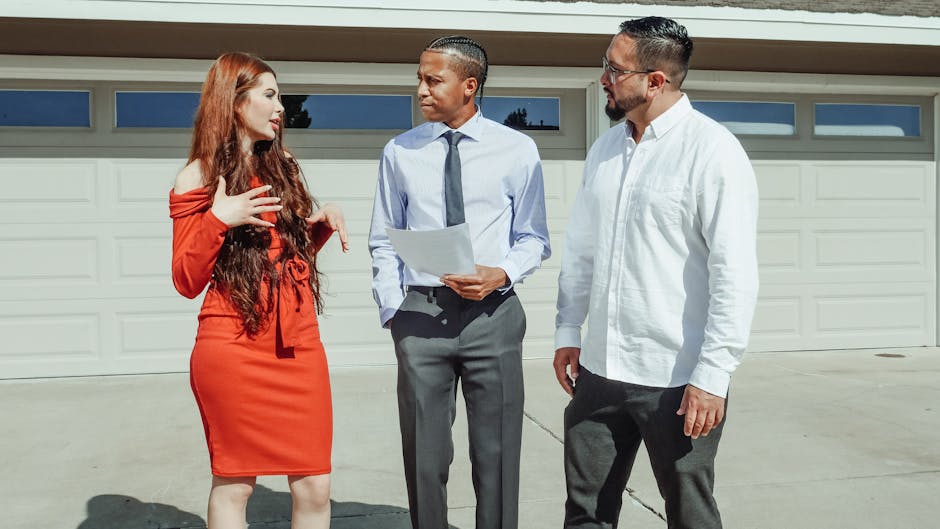
- Older millennials are prioritizing homeownership and larger homes, echoing baby boomer preferences.
- The COVID-19 pandemic has accelerated remote work, allowing people to live farther from city centers.
- Suburban areas are seeing a surge in demand for homes with more space and amenities.
- Larger homes with better quality of life are driving up prices in suburban areas.
- The trend is changing the dynamics of the housing market and has significant economic implications.
The housing market is witnessing a notable trend where older millennials, born between 1981 and 1988, are starting to emulate the behavior of baby boomers in their housing preferences. This shift is marked by a growing desire for homeownership, larger homes, and a willingness to invest in real estate. According to recent data, older millennials are now more likely to purchase homes in suburban areas, opting for more space and a quieter lifestyle, much like their baby boomer counterparts. This trend is not only changing the dynamics of the housing market but also has significant implications for the economy as a whole.
Housing Market Evolution

The reasons behind this shift are multifaceted. On one hand, older millennials have reached a stage in their lives where they are looking to settle down, start families, and invest in their future. This has led to an increased demand for larger homes with more amenities, driving up prices in suburban areas. On the other hand, the COVID-19 pandemic has accelerated the trend of remote work, allowing people to live further away from city centers without compromising their careers. As a result, the housing market is experiencing a surge in demand for homes that offer more space and a better quality of life, characteristics that were previously associated with baby boomer preferences.
Key Players and Trends

The older millennial demographic is a key player in this trend, with many individuals in this age group having established their careers and now looking to invest in real estate. According to a recent survey, over 70% of older millennials consider homeownership a key aspect of the American dream, mirroring the views of baby boomers. Furthermore, the rise of remote work has enabled older millennials to look beyond traditional city centers for housing, leading to an increase in home prices in suburban areas. Real estate agents and homebuilders are also adapting to this trend, offering more homes with features that cater to the needs of older millennials, such as larger backyards, home offices, and community amenities.
Market Analysis
From an economic perspective, this trend has both positive and negative implications. On the positive side, the increased demand for housing is driving economic growth, creating jobs, and stimulating local economies. Additionally, the shift towards suburban areas could lead to a more balanced distribution of population and resources, reducing the pressure on city centers. However, there are also concerns about affordability, as the rising demand for homes in suburban areas is driving up prices, making it challenging for younger millennials and other demographics to enter the housing market. Experts warn that this trend could exacerbate existing social and economic inequalities, highlighting the need for policies that address affordability and accessibility in the housing market.
Implications and Outlook
The implications of this trend are far-reaching, affecting not only the housing market but also the broader economy. As older millennials continue to drive demand for housing in suburban areas, there will be a need for increased investment in infrastructure, transportation, and community amenities. Moreover, policymakers will need to address the issue of affordability, ensuring that the housing market remains accessible to all demographics. The trend also raises questions about the future of urban planning and development, as cities may need to adapt to a more decentralized population and changing housing preferences.
Expert Perspectives
Experts in the field offer contrasting viewpoints on this trend. Some argue that the shift towards suburban areas is a natural evolution of the housing market, driven by changing demographics and lifestyles. Others warn that this trend could lead to a decline in urban vitality and an increase in social and economic segregation. According to Dr. Maria Rodriguez, a leading expert in urban economics, “The trend of older millennials moving to suburban areas is a complex phenomenon that requires a nuanced approach. While it offers opportunities for economic growth and development, it also poses challenges for affordability, accessibility, and social cohesion.”
As the housing market continues to evolve, it is essential to monitor this trend and its implications. The question remains whether this shift will be a permanent change in the housing market or a temporary response to the pandemic. One thing is certain, however: the housing market will continue to be shaped by the preferences and behaviors of older millennials, and policymakers, real estate agents, and homebuilders must adapt to these changes to ensure a sustainable and equitable housing market for all.