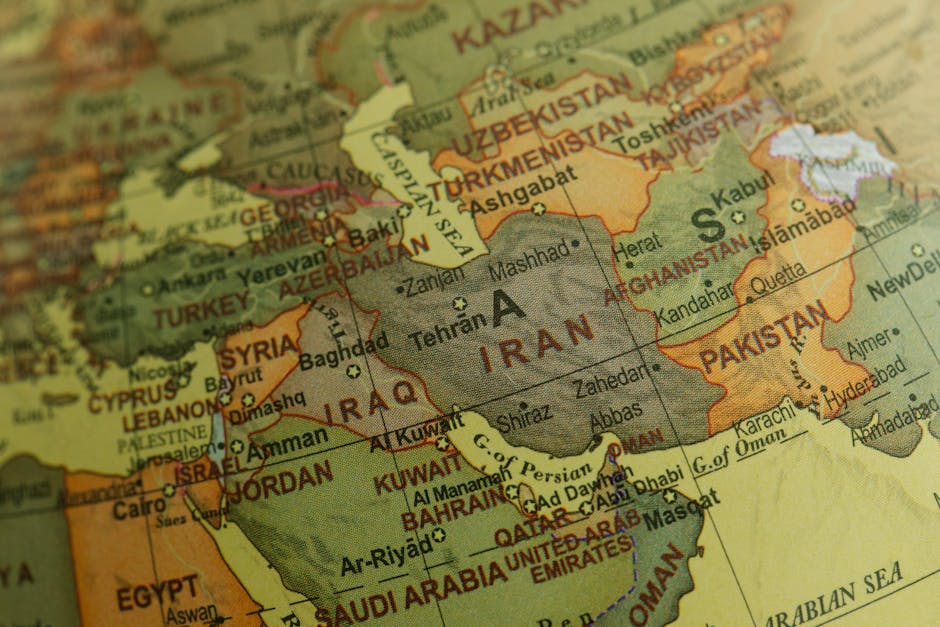
- Iran has reimposed ‘strict control’ over the Strait of Hormuz, citing the need to counter the US blockade of Iranian ports.
- The Strait of Hormuz is a critical conduit for international oil trade, with approximately 20% of the world’s oil passing through it.
- The US withdrawal from the Iran nuclear deal in 2018 marked the beginning of rising tensions between Iran and the US.
- The Strait of Hormuz has become a focal point of escalating tensions between Iran and the United States.
- The international community is on high alert due to uncertainty over access to the Strait of Hormuz.
The Strait of Hormuz, a vital waterway connecting the Persian Gulf to the Arabian Sea, has become a focal point of escalating tensions between Iran and the United States. In a striking move, Iran’s military has announced that it has reimposed “strict control” over the strait, citing the need to counter the US blockade of Iranian ports. This development has significant implications for global oil markets, as the strait is a critical conduit for international oil trade, with approximately 20% of the world’s oil passing through it. The Iranian military’s statement has added to the uncertainty over access to the strait, leaving the international community on high alert.
Background and Context

The current situation in the Strait of Hormuz is a culmination of months of rising tensions between Iran and the US. The US withdrawal from the Joint Comprehensive Plan of Action (JCPOA), also known as the Iran nuclear deal, in 2018 marked the beginning of a new era of hostility between the two nations. Since then, the US has reimposed economic sanctions on Iran, targeting its oil exports, banking sector, and other key industries. Iran, in response, has taken a series of measures to counter the US pressure, including reducing its commitments under the JCPOA and increasing its military presence in the region. The Strait of Hormuz has become a critical flashpoint in this confrontation, with both sides engaging in a war of words and diplomatic maneuvers to assert their control over the waterway.
Key Details and Developments

The Iranian military’s announcement of strict control over the Strait of Hormuz is the latest development in a series of events that have raised concerns about the safety of international shipping in the region. In recent months, there have been several reported incidents of Iranian forces harassing or detaining foreign vessels, including oil tankers and cargo ships. The US has responded by deploying additional military assets to the region, including warships and surveillance aircraft, to protect its interests and ensure the free flow of oil. The Iranian military’s statement has been seen as a direct challenge to the US presence in the region, and has raised fears of a potential military confrontation between the two sides. The international community is watching the situation closely, with many countries calling for restraint and diplomacy to resolve the crisis.
Analysis and Implications
The Iranian military’s decision to reimpose strict control over the Strait of Hormuz has significant implications for global oil markets and the regional security landscape. The strait is a critical chokepoint for international oil trade, and any disruption to shipping lanes could have far-reaching consequences for the global economy. The US and its allies have warned Iran against taking any actions that could jeopardize the free flow of oil, and have threatened to take military action if necessary to protect their interests. The situation is further complicated by the presence of other regional players, including Saudi Arabia and the United Arab Emirates, which have their own interests and agendas in the region. As the situation continues to unfold, it is clear that the Strait of Hormuz has become a critical test of wills between Iran and the US, with significant implications for the future of regional security and global oil markets.
Regional and Global Consequences
The Iranian military’s actions in the Strait of Hormuz have far-reaching consequences for the region and the world. The strait is a vital waterway for international oil trade, and any disruption to shipping lanes could have significant impacts on the global economy. The US and its allies are deeply concerned about the potential for Iran to disrupt the free flow of oil, and have taken steps to mitigate the risks. However, the situation remains volatile, and the potential for miscalculation or accident is high. The international community is urging all sides to exercise restraint and seek a diplomatic solution to the crisis, but the prospects for a peaceful resolution remain uncertain. As the situation continues to unfold, it is clear that the Strait of Hormuz has become a critical flashpoint in the confrontation between Iran and the US, with significant implications for regional security and global oil markets.
Expert Perspectives
Experts are divided on the implications of the Iranian military’s actions in the Strait of Hormuz. Some see the move as a desperate attempt by Iran to counter the US blockade and protect its oil exports, while others view it as a calculated move to assert Iranian control over the region. Dr. Sanam Vakil, a senior research fellow at the Middle East and North Africa programme at Chatham House, notes that “Iran is trying to signal to the US that it will not be intimidated, and that it has the capability to disrupt the free flow of oil if its interests are not respected.” However, other experts, such as Dr. Kenneth Katzman, a senior analyst at the Congressional Research Service, warn that the situation is highly volatile and that the potential for miscalculation or accident is high. “The US and Iran are engaged in a high-stakes game of chicken, and the consequences of a miscalculation could be catastrophic,” he notes.
As the situation in the Strait of Hormuz continues to unfold, the international community is watching with bated breath. The US and Iran are engaged in a war of words and diplomatic maneuvers, with neither side showing any signs of backing down. The potential for a military confrontation is high, and the consequences of such an event would be far-reaching. As the world waits to see what will happen next, one thing is clear: the Strait of Hormuz has become a critical flashpoint in the confrontation between Iran and the US, and the implications of the current situation will be felt for years to come. The question on everyone’s mind is: what will happen next? Will the US and Iran find a way to resolve their differences through diplomacy, or will the situation escalate into a full-blown military conflict? Only time will tell.