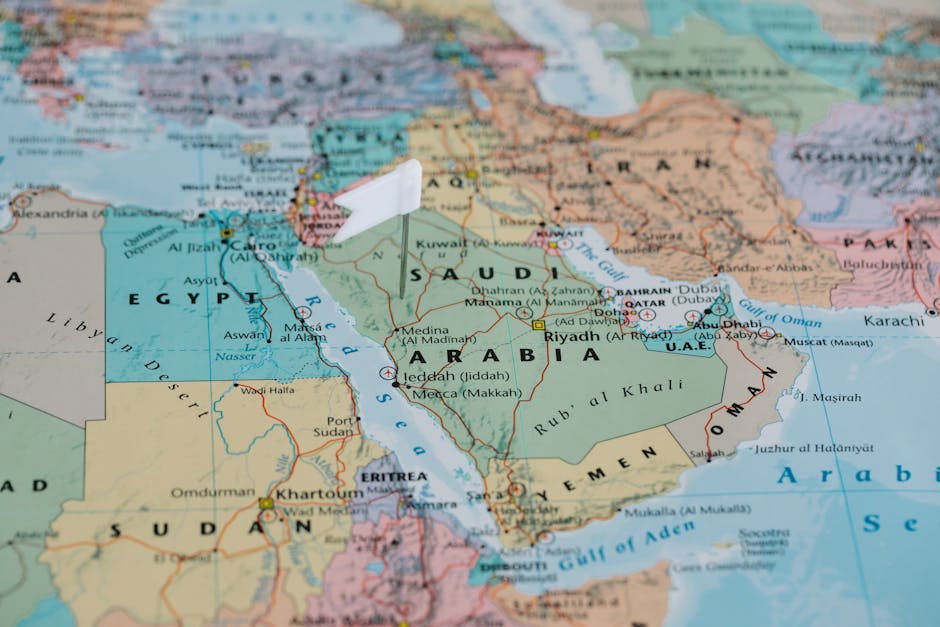
- Iran has reopened the Strait of Hormuz, a critical shipping lane, sparking both relief and caution among global leaders.
- The Strait of Hormuz is crucial for global trade and peace, as it handles a significant portion of the world’s oil exports.
- French President Emmanuel Macron has welcomed the move but demanded assurances that the reopening won’t compromise regional security.
- The decision comes amid ongoing diplomatic tensions between Iran and Western countries, including the US and EU members.
- Regional conflicts and global powers’ involvement have complicated the search for stability and security in the Middle East.
The Strait of Hormuz, a critical shipping lane, has been reopened by Iran, sparking a mix of relief and caution among global leaders. French President Emmanuel Macron has welcomed the move, citing its potential to ease tensions in the region, but has also demanded assurances that the reopening will not compromise regional security. This development comes at a time when the Middle East is already navigating a complex web of conflicts and diplomatic efforts, making the stability of the Strait of Hormuz crucial for global trade and peace.
Background on the Strait of Hormuz

The Strait of Hormuz is one of the most important shipping lanes in the world, with a significant portion of global oil exports passing through it. The decision by Iran to reopen the strait after a period of heightened tensions is seen as a significant step towards de-escalation. However, the context in which this decision was made is complex, involving years of diplomatic tensions between Iran and Western countries, including the United States and members of the European Union. The situation has been further complicated by regional conflicts and the involvement of other global powers, making the search for stability and security a challenging task.
Key Details of the Reopening

Iran’s decision to reopen the Strait of Hormuz followed intense diplomatic efforts and negotiations with European leaders, including President Macron. The details of the agreement that led to the reopening are not fully disclosed, but it is understood that assurances regarding the safety of shipping and the non-proliferation of nuclear weapons played a significant role. The United States, which has been a key player in the tensions with Iran, has expressed cautious optimism about the development, while also reiterating its commitment to regional security and the protection of its allies. The reopening of the strait is expected to have significant economic implications, potentially stabilizing oil prices and boosting trade in the region.
Analysis of the Situation
Analysts see the reopening of the Strait of Hormuz as a positive step towards reducing tensions in the Middle East, but they also caution that the situation remains volatile. The underlying issues that led to the closure, including disputes over nuclear programs and regional influence, remain unresolved. Furthermore, the role of other regional actors, such as Saudi Arabia and Israel, will be crucial in determining the long-term stability of the region. Economic data suggests that the reopening of the strait could lead to a decrease in oil prices, which would have global economic implications, but the political and security challenges in the region are far from over.
Implications for Global Security
The implications of the Strait of Hormuz’s reopening are far-reaching, affecting not just the Middle East but also global security and economy. For France and other European countries, the stability of the region is crucial for energy security and trade. The demand by President Macron for assurances on security reflects the broader concern among European leaders about the potential for future conflicts and the need for a comprehensive approach to regional security. The situation also highlights the importance of diplomatic efforts in preventing the escalation of conflicts and promoting international cooperation.
Expert Perspectives
Experts in international relations and security studies offer contrasting viewpoints on the significance of the Strait of Hormuz’s reopening. Some see it as a major breakthrough in diplomatic efforts to reduce tensions in the Middle East, while others caution that it is merely a temporary reprieve and that underlying issues remain unresolved. The variety of opinions reflects the complexity of the situation and the challenges of predicting outcomes in such a volatile region. As one expert noted, “The reopening of the Strait of Hormuz is a step in the right direction, but it is only the beginning of a long and difficult process towards achieving lasting peace and security in the Middle East.”
Looking forward, the key question is what the future holds for the region. Will the reopening of the Strait of Hormuz mark the beginning of a new era of cooperation and stability, or will it prove to be a temporary measure before tensions escalate again? The answer depends on a variety of factors, including the success of ongoing diplomatic efforts, the actions of regional and global powers, and the ability of international organizations to promote peace and security. As the situation continues to unfold, one thing is clear: the world will be watching the Middle East closely, hoping for a path towards lasting peace and stability.