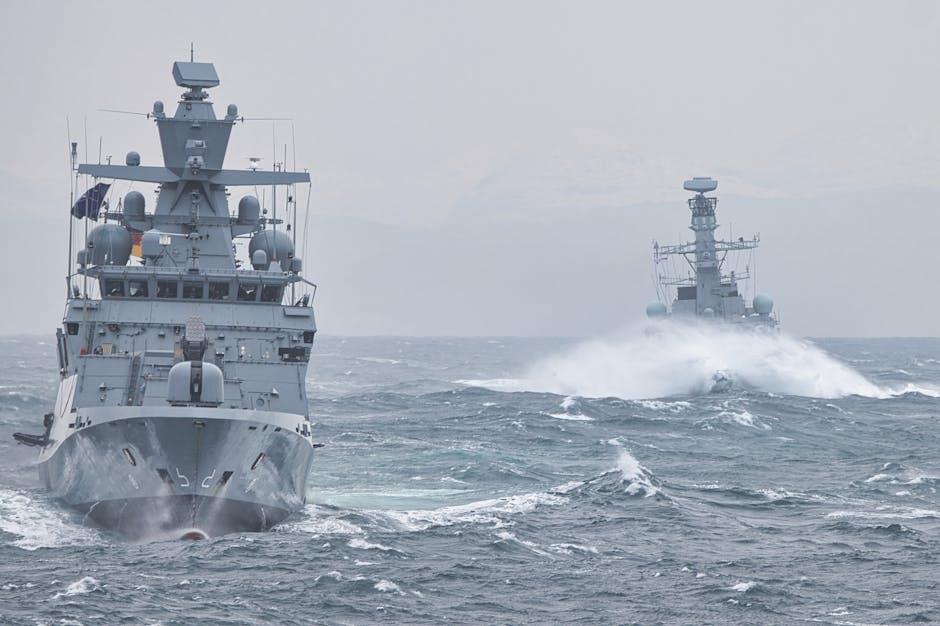
- Iran has announced the full opening of the Strait of Hormuz, a strategic waterway connecting the Persian Gulf to the Arabian Sea.
- The move is a significant development in reducing tensions in the region, particularly between the US and Iran.
- The Strait of Hormuz is a critical shipping lane, with approximately 20% of the world’s oil passing through it.
- The US withdrawal from the JCPOA triggered a surge in tensions between the US and Iran, but this move may alleviate some of that.
- The Gulf states have played a crucial role in supporting American efforts to counter Iranian influence in the region.
The Middle East has witnessed a significant development as Iran has announced the full opening of the Strait of Hormuz, a strategic waterway that connects the Persian Gulf to the Arabian Sea. This move has been welcomed by US President Donald Trump, who expressed his gratitude to the Gulf states for their “tremendous” support. The President tweeted, “This will be a great and brilliant day for the world,” as news of the opening broke. The Strait of Hormuz is a critical shipping lane, with approximately 20% of the world’s oil passing through it, making this development a crucial step towards de-escalating tensions in the region.
Background to the Tensions

The recent tensions in the Middle East have been escalating due to various factors, including the US withdrawal from the Joint Comprehensive Plan of Action (JCPOA), also known as the Iran nuclear deal. The move led to a significant increase in tensions between the US and Iran, with both countries engaging in a war of words and proxy conflicts in the region. The Gulf states, which have historically been allies of the US, have played a crucial role in supporting American efforts to counter Iranian influence in the region. The opening of the Strait of Hormuz is seen as a positive step towards reducing tensions and promoting stability in the region.
The Significance of the Strait of Hormuz

The Strait of Hormuz is a vital shipping lane that connects the Persian Gulf to the Arabian Sea, making it a crucial waterway for international trade. The strait is approximately 90 nautical miles wide at its narrowest point, and it is bordered by Iran to the north and the United Arab Emirates and Oman to the south. The strait is used by oil tankers and other ships to transport goods and commodities, including oil, natural gas, and other petroleum products. The opening of the strait is expected to increase the flow of trade and commerce in the region, which will have a positive impact on the global economy.
Analysis of the Situation
The decision by Iran to open the Strait of Hormuz is seen as a significant development in the region, with far-reaching implications for global trade and commerce. The move is expected to reduce tensions between the US and Iran, at least in the short term, and promote stability in the region. However, experts warn that the situation remains volatile, and any miscalculation or provocation could lead to an escalation of tensions. The US and its allies will need to continue to engage with Iran and other regional players to find a lasting solution to the conflict and promote peace and stability in the region.
Implications of the Development
The opening of the Strait of Hormuz is expected to have significant implications for the global economy, particularly for the oil and gas sector. The increased flow of trade and commerce in the region will lead to lower oil prices, which will have a positive impact on consumers and businesses around the world. Additionally, the reduced tensions in the region will promote investment and economic growth, which will have a positive impact on the global economy. However, the situation remains fragile, and any disruption to the flow of trade and commerce in the region could have significant consequences for the global economy.
Expert Perspectives
Experts have welcomed the decision by Iran to open the Strait of Hormuz, but they warn that the situation remains volatile. “This is a positive development, but it is not a guarantee of peace and stability in the region,” said Dr. Sanam Vakil, a Middle East expert at Chatham House. “The US and its allies will need to continue to engage with Iran and other regional players to find a lasting solution to the conflict.” Other experts have cautioned that the situation could escalate again if there are any miscalculations or provocations.
As the situation continues to evolve, it remains to be seen how the US and its allies will respond to the opening of the Strait of Hormuz. Will the reduced tensions in the region lead to a lasting peace, or will the situation escalate again? One thing is certain, the Middle East remains a volatile and unpredictable region, and any developments will have significant implications for global trade and commerce. The world will be watching the situation closely, and it remains to be seen how the US and its allies will navigate this complex and challenging situation.