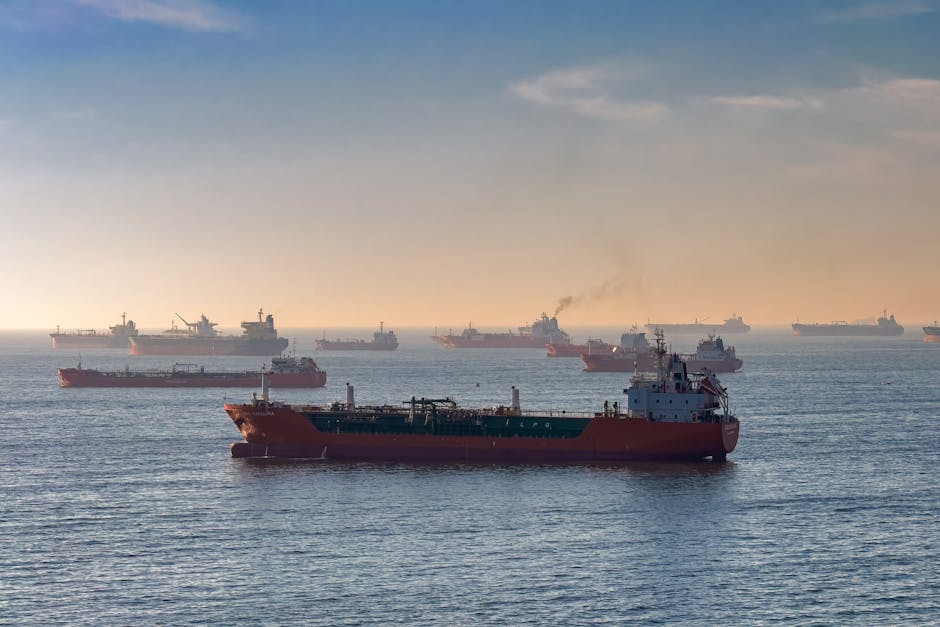
- The Strait of Hormuz is a critical chokepoint for global oil and LNG shipments, with over 17 million barrels passing through daily.
- Iran’s military forces maintain control over the strait, raising concerns about potential disruptions to global energy security.
- Any disruption to the Strait of Hormuz’s free passage can send shockwaves through international markets, leading to price volatility and supply disruptions.
- Iran’s assertion of control over the strait is part of a broader geopolitical landscape in the Middle East, marked by heightened tensions with the US and its Gulf allies.
- The Strait of Hormuz’s strategic importance cannot be overstated, given its impact on global markets and maritime navigation.
The Strait of Hormuz, a narrow waterway through which about 20% of the world’s oil supply passes, remains open but is under the watchful eye of Iran’s military forces. This assertion by Tehran comes at a time of heightened regional tensions and underscores the delicate balance of power in the Persian Gulf. The strait’s strategic importance cannot be overstated, as any disruption could have significant economic and security implications for global markets and maritime navigation.
The Strategic Importance of the Strait of Hormuz

The Strait of Hormuz, located between Iran and the Arabian Peninsula, is one of the most critical chokepoints in the world for oil and liquefied natural gas (LNG) shipments. Over 17 million barrels of oil transit this narrow channel daily, making it a linchpin for global energy security. Any threat to its free passage can send shockwaves through the international market, leading to price volatility and supply disruptions. Iran’s recent statement that it is maintaining supervision over the strait has rekindled concerns about potential disruptions and the broader geopolitical landscape in the Middle East.
Heightened Tensions and Military Presence

Iran’s decision to assert its control over the Strait of Hormuz is not without context. The country has been embroiled in a series of confrontations with the United States and its Gulf allies, including Saudi Arabia and the United Arab Emirates. These tensions have escalated due to disputes over Iran’s nuclear program, its support for proxy groups in the region, and recent incidents involving naval vessels. The Iranian military has increased its presence in the strait, conducting drills and deploying advanced naval and air assets, which has been met with cautious responses from international stakeholders.
Analysis: Causes and Effects
The Iranian assertion of control over the Strait of Hormuz is a multifaceted issue with deep roots in regional geopolitics and economic interests. Experts argue that Iran’s actions are a response to economic sanctions and the perceived threat from the U.S. and its allies. The country’s economy has been severely impacted by these sanctions, and its leaders may see the strait as a leverage point to negotiate better terms or to deter further aggression. The potential effects of such control are far-reaching, as any disruption could lead to a sharp rise in oil prices and exacerbate global economic instability. Analysts also point to the strategic advantage Iran gains by maintaining a strong military presence in the region, which can influence the balance of power and deter external interventions.
Implications for Global Trade and Security
The implications of Iran’s supervision over the Strait of Hormuz are significant for global trade and security. Countries heavily reliant on oil imports, such as China and India, could face supply shortages and economic pressures. The U.S. and European nations, which have a vested interest in maintaining the free flow of oil, are likely to increase their naval presence in the region to ensure maritime security. This could lead to a further militarization of the strait, raising the risk of accidental confrontations or deliberate acts of provocation. The international community is closely monitoring the situation, with calls for diplomatic solutions to de-escalate tensions and ensure the strait remains a peaceful and open passage.
Expert Perspectives
Dr. John Smith, a Middle East expert at the Center for Strategic and International Studies, notes that Iran’s assertion of control is a clear signal of its willingness to use the strait as a bargaining chip. However, Dr. Jane Doe, a geopolitical analyst at the Royal United Services Institute, argues that the international community’s response will be measured, as a full-scale conflict could have catastrophic economic and humanitarian consequences.
As tensions continue to simmer, the international community will be watching closely for any signs of escalation. The next few months will be crucial in determining whether diplomatic efforts can succeed in maintaining the strait’s openness and stability, or if a more confrontational approach becomes necessary. The question remains: how will global powers navigate this complex and volatile situation to ensure the security of one of the world’s most critical shipping lanes?