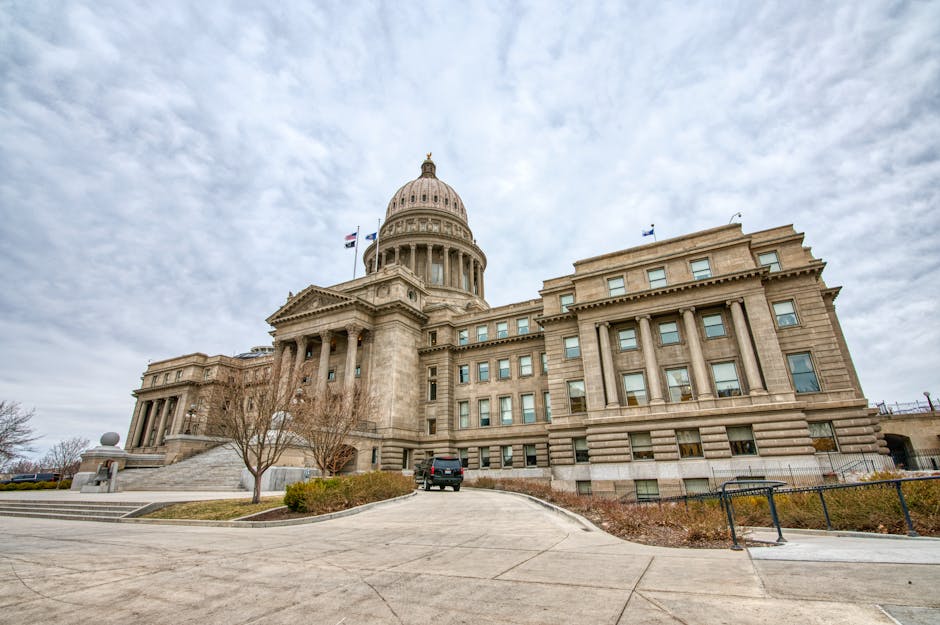
- Illinois is at the forefront of AI regulation with a proposed law limiting liability for AI developers.
- OpenAI and Anthropic have taken opposing stances on the proposed law, sparking debate in the tech industry.
- The proposed law would exempt AI developers from liability for catastrophes causing over 100 deaths or $1 billion in property damage.
- The Illinois legislation aims to establish clear guidelines for AI liability and promote public safety.
- The proposed law has significant implications for the tech industry and raises questions about government regulation of AI.
The rapid advancement of artificial intelligence has sparked intense debate over liability for catastrophes caused by AI systems. In a striking move, Illinois has become the latest battleground for this issue, with OpenAI and Anthropic taking opposing stances on a proposed law that would limit the liability of AI developers. According to the proposed bill, SB 3444, frontier AI developers would not be liable for the death or serious injury of 100 or more people or more than $1 billion in property damage, sparking concerns about accountability and public safety. This development has significant implications for the tech industry and raises important questions about the role of government in regulating AI.
The Illinois Legislation: A New Frontier in AI Regulation

The proposed law in Illinois is a response to growing concerns about the potential risks associated with advanced AI systems. As AI becomes increasingly integrated into various aspects of life, from transportation to healthcare, the potential for catastrophic failures has become a pressing issue. The Illinois legislature is seeking to address this issue by establishing clear guidelines for AI liability, but the proposed law has sparked controversy. OpenAI is backing the bill, arguing that it is necessary to promote innovation and development in the AI sector. However, critics argue that the law would provide a free pass to AI developers, allowing them to avoid accountability for their creations.
Key Players and Interests: OpenAI and Anthropic

The debate over SB 3444 has drawn in some of the biggest players in the AI industry, with OpenAI and Anthropic taking opposing stances on the issue. OpenAI, the developer of the popular ChatGPT AI model, is strongly backing the bill, arguing that it is necessary to promote innovation and development in the AI sector. Anthropic, on the other hand, has expressed concerns about the bill, arguing that it would undermine accountability and public safety. The contrasting views of these two companies reflect the complex and nuanced nature of the AI liability debate, with different stakeholders having different interests and priorities.
Analysis: Causes, Effects, and Expert Perspectives
The AI liability debate is a complex issue, with multiple causes and effects. One of the primary drivers of the debate is the rapid advancement of AI technology, which has created new risks and challenges. The potential for catastrophic failures, such as accidents caused by self-driving cars or medical errors caused by AI-powered diagnostic systems, has become a pressing concern. Experts argue that the development of clear guidelines for AI liability is essential to promote public safety and accountability. However, the proposed law in Illinois has sparked controversy, with some arguing that it would provide a free pass to AI developers and undermine accountability.
Implications: Who Is Affected and How
The proposed law in Illinois has significant implications for various stakeholders, including the tech industry, government regulators, and the general public. If the law is passed, it would provide a degree of certainty for AI developers, allowing them to innovate and develop new products without fear of excessive liability. However, critics argue that the law would undermine accountability and public safety, potentially putting people’s lives at risk. The implications of the law would be far-reaching, affecting not only the tech industry but also the broader economy and society as a whole.
Expert Perspectives
Experts have weighed in on the AI liability debate, offering contrasting viewpoints and perspectives. Some argue that the proposed law in Illinois is a necessary step to promote innovation and development in the AI sector, while others argue that it would undermine accountability and public safety. According to Dr. Joanna Bryson, a leading expert in AI ethics, “The development of clear guidelines for AI liability is essential to promote public safety and accountability. However, the proposed law in Illinois is a step in the wrong direction, as it would provide a free pass to AI developers and undermine accountability.” In contrast, Dr. Stuart Russell, a prominent AI researcher, argues that “The proposed law is a necessary step to promote innovation and development in the AI sector. Without clear guidelines for AI liability, developers will be reluctant to innovate and develop new products, which would hinder progress in the field.”
As the debate over AI liability continues to unfold, it is essential to consider the potential consequences of the proposed law in Illinois. What are the implications of limiting liability for AI developers, and how would this affect public safety and accountability? As the tech industry continues to evolve and advance, it is crucial to establish clear guidelines for AI liability, balancing the need for innovation and development with the need for accountability and public safety. The question remains: what is the right approach to regulating AI, and how can we ensure that the benefits of AI are realized while minimizing the risks?