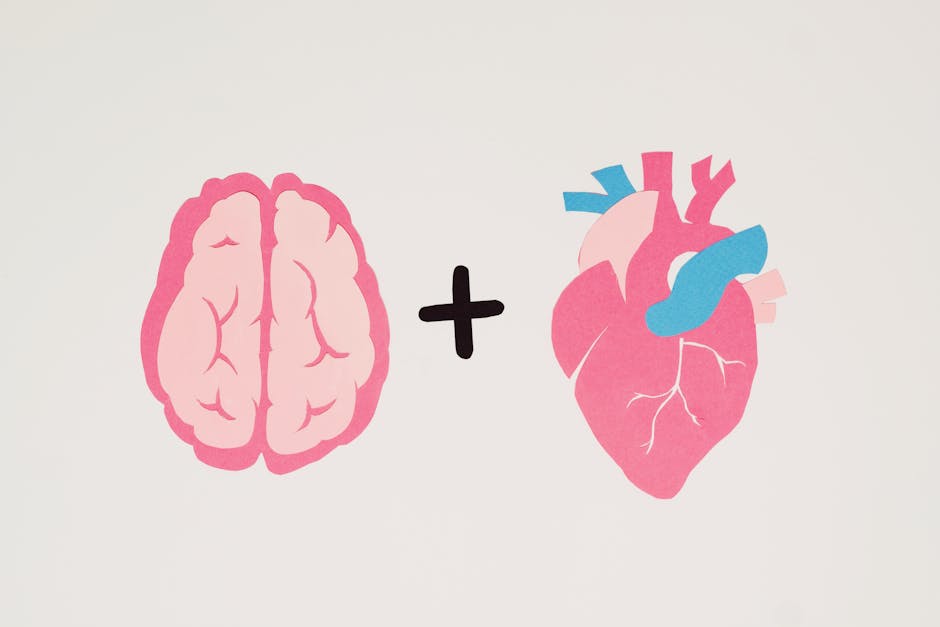
- The heart and brain are intimately connected, with the health of one affecting the other.
- Heart disease increases the risk of cognitive decline and dementia.
- Mental health disorders raise the risk of cardiovascular problems.
- The connection between the heart and brain is complex, involving multiple pathways and mechanisms.
- Disruption of this connection can lead to severe consequences, including an increased risk of heart disease and depression.
A striking fact has emerged in the field of medicine: the heart and brain are intimately connected, with the health of one organ having a profound impact on the other. Research has shown that individuals with heart disease are at a significantly higher risk of developing cognitive decline and dementia, while those with mental health disorders are more likely to experience cardiovascular problems. This intricate relationship between the heart and brain has major implications for our understanding of these diseases and how we approach diagnoses and treatment. With millions of people worldwide affected by these conditions, the importance of exploring this connection cannot be overstated.
The Complex Interplay Between Heart and Brain

The connection between the heart and brain is a complex one, with multiple pathways and mechanisms at play. The heart and brain are linked through the nervous system, with the brain sending signals to the heart to regulate its function and the heart sending signals back to the brain to inform it of its status. This interplay is crucial for maintaining healthy blood flow, blood pressure, and overall cardiovascular function. However, when this connection is disrupted, the consequences can be severe. For example, studies have shown that individuals with depression are at a higher risk of developing heart disease, while those with heart disease are at a higher risk of developing depression. This bidirectional relationship highlights the need for a more integrated approach to healthcare, one that takes into account the intricate links between the heart and brain.
Key Findings and Research

Recent research has shed light on the key details of the heart-brain connection. Studies have shown that inflammation in the body, which is often associated with heart disease, can also have a negative impact on brain health. For example, inflammation can damage the blood-brain barrier, leading to cognitive decline and increased risk of dementia. Furthermore, research has identified specific genes and molecular pathways that are involved in the heart-brain connection, providing potential targets for new treatments. The involvement of multiple disciplines, including cardiology, neurology, and psychology, has been crucial in advancing our understanding of this complex relationship. As our knowledge of the heart-brain connection continues to grow, we can expect to see the development of new and innovative treatments for these devastating diseases.
Causes, Effects, and Data
Analysis of the data has revealed a complex interplay of causes and effects. The heart-brain connection is influenced by a range of factors, including lifestyle, genetics, and environment. For example, a diet high in saturated fats and sugars can increase the risk of heart disease, which in turn can increase the risk of cognitive decline. Similarly, stress and anxiety can have a negative impact on both heart and brain health. The effects of the heart-brain connection can be seen in the statistics: individuals with heart disease are at a significantly higher risk of developing dementia, while those with dementia are at a higher risk of developing heart disease. Expert analysis has highlighted the need for a more nuanced understanding of this relationship, one that takes into account the multiple factors at play. By examining the data and consulting with experts, we can gain a deeper understanding of the heart-brain connection and its implications for our health.
Implications for Health and Healthcare
The implications of the heart-brain connection are far-reaching, with significant consequences for individuals, healthcare systems, and society as a whole. The fact that cognitive decline, mental health, and heart disease are intertwined means that a more integrated approach to healthcare is needed. This could involve the development of new treatments that target multiple diseases simultaneously, as well as a greater emphasis on prevention and lifestyle modification. For example, exercise and meditation have been shown to have a positive impact on both heart and brain health, highlighting the potential for lifestyle changes to improve overall health. As our understanding of the heart-brain connection continues to evolve, we can expect to see significant advances in the diagnosis, treatment, and prevention of these devastating diseases.
Expert Perspectives
Experts in the field have contrasting viewpoints on the heart-brain connection, reflecting the complexity and nuance of this relationship. Some argue that the connection between the heart and brain is still not fully understood, and that more research is needed to elucidate the underlying mechanisms. Others believe that the heart-brain connection has significant implications for the way we approach healthcare, and that a more integrated approach is needed to address the interrelated nature of these diseases. Despite these differences in opinion, there is a growing consensus that the heart-brain connection is a critical area of research, one that has the potential to revolutionize our understanding of human health and disease.
As we look to the future, there are many open questions surrounding the heart-brain connection. What are the key mechanisms underlying this relationship, and how can we target them to improve health outcomes? How can we develop more effective treatments for cognitive decline, mental health, and heart disease, given their interconnected nature? These are just a few of the questions that researchers and clinicians will be seeking to answer in the years to come. By continuing to explore the heart-brain connection, we can expect to see significant advances in our understanding of human health and disease, and the development of new and innovative treatments for these devastating conditions.