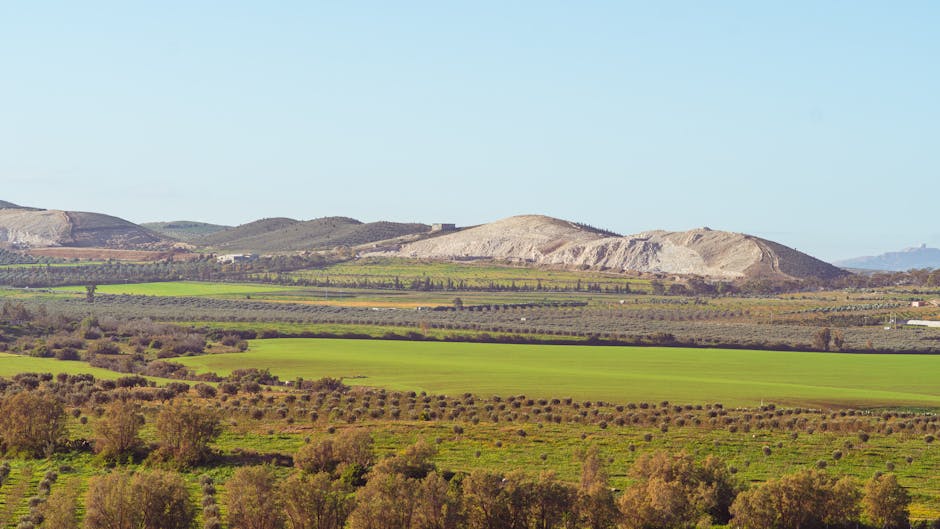
- Severe hail storms have left a blanket of hailstones covering parts of Tunisia and Algeria, resembling snow.
- Intense thunderstorms in the Mediterranean region have brought heavy downpours and hail accumulations of up to 3cm deep.
- The storms are caused by a combination of factors, including a surface low-pressure system and an upper air cut-off low.
- The region’s geography, with mix of desert and mountainous terrain, plays a significant role in shaping weather patterns.
- The storms highlight the unpredictable nature of weather patterns in North Africa, with significant implications for local communities and ecosystems.
A striking sight has been unfolding in parts of Tunisia and Algeria, where severe hail storms have left a blanket of hailstones covering the ground, eerily resembling a layer of snow. The unusual weather phenomenon has been caused by intense thunderstorms that have swept across the Mediterranean region, bringing with them heavy downpours and hail accumulations of up to 3cm deep. The severity of the storms has caught many off guard, highlighting the unpredictable nature of weather patterns in the region.
Background to the Storms

The severe thunderstorms that have affected North Africa this week are a result of a combination of factors, including a surface low-pressure system in the Mediterranean and an upper air cut-off low. These weather systems have created a perfect storm of conditions that have led to the intense thunderstorms, which have been aided by hot precursor conditions. The region’s geography, with its mix of desert and mountainous terrain, has also played a role in shaping the weather patterns. As the storms continue to unfold, it is clear that the region’s weather is becoming increasingly unpredictable, with significant implications for local communities and ecosystems.
Key Details of the Storms

The storms have had a significant impact on Algeria and Tunisia, with both countries experiencing severe thunderstorms and heavy hail. The hail accumulation has been particularly notable, with some areas reporting layers of hail up to 3cm deep. The storms have also brought heavy downpours to central Italy, causing disruptions to daily life and highlighting the need for effective weather forecasting and warning systems. As the region continues to experience extreme weather events, it is clear that there is a need for greater investment in weather infrastructure and emergency preparedness.
Analysis of the Weather Patterns
An analysis of the weather patterns that have led to the severe thunderstorms in North Africa reveals a complex interplay of factors, including atmospheric conditions, geography, and climate change. The region’s weather is influenced by a range of global and regional factors, including the Mediterranean climate and the Sahara Desert. The intense heat and dryness of the desert can create the perfect conditions for thunderstorms to develop, which can then be fueled by moisture from the Mediterranean. As the region continues to experience more frequent and intense extreme weather events, it is clear that there is a need for greater understanding of the underlying causes and for the development of effective strategies for mitigating their impacts.
Implications of the Storms
The severe thunderstorms that have affected North Africa have significant implications for local communities and ecosystems. The heavy hail and rain have caused disruptions to daily life, including damage to infrastructure and agriculture. The storms have also highlighted the need for effective weather forecasting and warning systems, as well as for greater investment in emergency preparedness and response. As the region continues to experience more frequent and intense extreme weather events, it is clear that there is a need for a coordinated response to address the impacts of these events and to support the resilience of local communities.
Expert Perspectives
Experts have offered contrasting viewpoints on the causes and implications of the severe thunderstorms in North Africa. Some have pointed to the role of climate change in exacerbating extreme weather events, while others have emphasized the importance of natural climate variability. Despite these differences, there is a consensus that the region’s weather is becoming increasingly unpredictable and that there is a need for greater investment in weather infrastructure and emergency preparedness. As the region continues to experience more frequent and intense extreme weather events, it is clear that there is a need for a coordinated response to address the impacts of these events and to support the resilience of local communities.
Looking to the future, there are many questions about what the region can expect in terms of weather patterns. Will the severe thunderstorms become more frequent and intense, or will the region experience a return to more normal weather patterns? What are the implications of these events for local communities and ecosystems, and how can they be supported in their efforts to build resilience and adapt to a changing climate? As the region continues to experience extreme weather events, it is clear that there is a need for ongoing monitoring and analysis of weather patterns, as well as for the development of effective strategies for mitigating the impacts of these events.