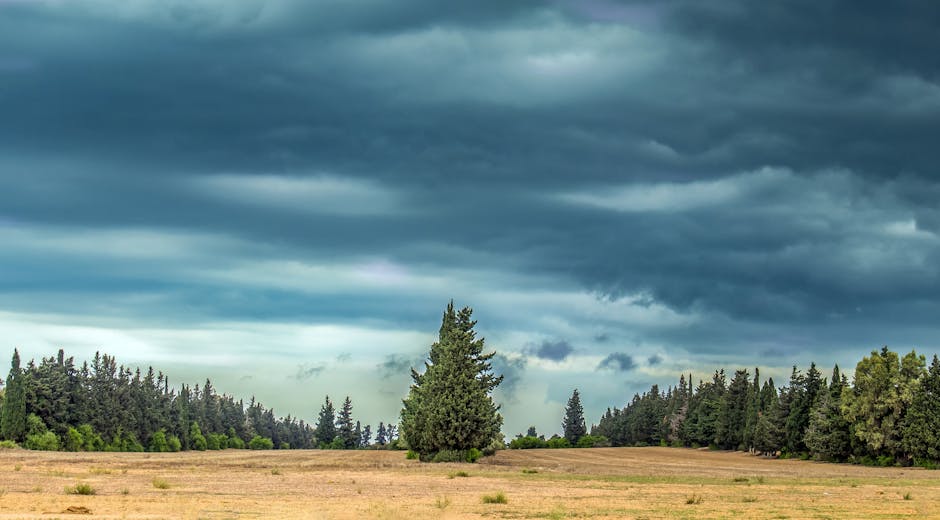
- Severe thunderstorms have brought hail and heavy rain to parts of Tunisia and Algeria, covering the ground like snow.
- A combination of factors, including a surface low-pressure system and upper air cut-off low, has created the perfect conditions for intense thunderstorms to develop.
- The hot precursor conditions in the Mediterranean have played a significant role in the development of the storms, providing the necessary energy for them to intensify.
- The severe thunderstorms have caused significant disruptions to daily life in the affected regions, with hail and heavy rain causing damage and travel disruptions.
- The unusual weather pattern is a result of complex interactions between atmospheric conditions, including multiple low-pressure systems and upper air cut-offs.
A striking phenomenon has been observed in parts of Tunisia and Algeria, where hail has covered the ground like snow, with accumulations of up to 3cm deep reported in some areas. This unusual weather pattern has been caused by severe thunderstorms that have been affecting the Mediterranean region this week. The storms have brought heavy downpours to central Italy, and their impact has been felt across the region. The severity of the storms has been attributed to a combination of factors, including a surface low-pressure system in the Mediterranean and an upper air cut-off low, which have created the perfect conditions for intense thunderstorms to develop.
Understanding the Weather Pattern

The current weather pattern in the Mediterranean is a complex one, with multiple factors contributing to the severe thunderstorms that have been affecting the region. The hot precursor conditions in the area have played a significant role in the development of the storms, providing the necessary energy for them to intensify. Additionally, the surface low-pressure system in the Mediterranean has been interacting with an upper air cut-off low, creating a unique combination of atmospheric conditions that have allowed the storms to develop and persist. As a result, the region has experienced some of the most severe thunderstorms in recent memory, with hail and heavy rain causing significant disruptions to daily life.
Impact on North Africa

The impact of the severe thunderstorms has been felt most strongly in Algeria and Tunisia, where the hail has been particularly severe. In some areas, the hail has accumulated to depths of up to 3cm, covering the ground like a layer of snow. This has caused significant disruptions to transportation and daily life, with many roads and highways becoming impassable due to the hazardous conditions. The storms have also brought heavy rain to the region, leading to flash flooding and further exacerbating the existing weather-related challenges. The severity of the storms has caught many off guard, and the region is struggling to cope with the aftermath of the extreme weather.
Analyzing the Causes and Effects
The causes of the severe thunderstorms in the Mediterranean are complex and multifaceted, involving a combination of atmospheric and meteorological factors. The hot precursor conditions in the region have provided the necessary energy for the storms to develop, while the surface low-pressure system and upper air cut-off low have created the perfect conditions for the storms to intensify. The effects of the storms have been significant, with hail and heavy rain causing disruptions to daily life and transportation. The economic impact of the storms is also likely to be significant, with damage to crops and infrastructure expected to be substantial. As the region begins to recover from the storms, it is clear that the extreme weather pattern has had a profound impact on the environment and the people living in the affected areas.
Implications and Consequences
The implications of the severe thunderstorms in the Mediterranean are far-reaching, with significant consequences for the environment, economy, and human populations. The storms have highlighted the vulnerability of the region to extreme weather events, and the need for effective emergency planning and response mechanisms. The economic impact of the storms is also likely to be significant, with damage to crops and infrastructure expected to be substantial. As the region begins to recover from the storms, it is clear that the extreme weather pattern has had a profound impact on the environment and the people living in the affected areas. The storms have also raised important questions about the role of climate change in exacerbating extreme weather events, and the need for sustained investment in climate resilience and adaptation measures.
Expert Perspectives
Experts in the field of meteorology and climate science have been quick to weigh in on the severe thunderstorms in the Mediterranean, offering a range of perspectives on the causes and implications of the extreme weather pattern. Some have attributed the storms to the increasing frequency and severity of extreme weather events, which are being driven by climate change. Others have highlighted the importance of effective emergency planning and response mechanisms, and the need for sustained investment in climate resilience and adaptation measures. As the region begins to recover from the storms, it is clear that the extreme weather pattern has had a profound impact on the environment and the people living in the affected areas, and that a coordinated and sustained response will be needed to mitigate the effects of future extreme weather events.
As the region looks to the future, it is clear that the severe thunderstorms in the Mediterranean have raised important questions about the role of climate change in exacerbating extreme weather events, and the need for sustained investment in climate resilience and adaptation measures. The storms have also highlighted the importance of effective emergency planning and response mechanisms, and the need for coordinated action to mitigate the effects of future extreme weather events. As the world continues to grapple with the challenges of climate change, it is clear that the severe thunderstorms in the Mediterranean will be an important case study, offering valuable insights into the causes and implications of extreme weather events, and the need for sustained action to protect the environment and human populations.