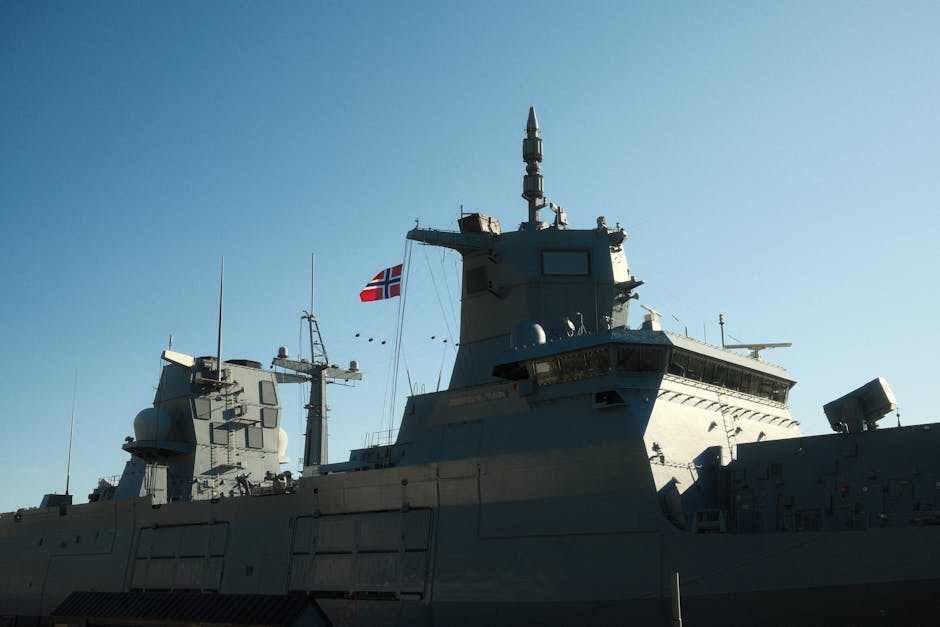
- The Strait of Hormuz is a critical maritime route for global oil trade, with 17 million barrels of oil passing through daily.
- European leaders have recently started coordinating a plan to help restore security in the Strait of Hormuz, despite the high stakes.
- The growing tensions between the U.S. and Iran have raised concerns about the potential for conflict and economic disruption.
- European intervention aims to de-escalate the situation without being drawn into a wider conflict, protecting their economic interests.
- The urgency of the situation has led to increased European action in the region, despite months of inaction.
The Strait of Hormuz, a critical waterway that accounts for nearly a third of the world’s seaborne oil exports, has become a focal point of international tensions in recent months. With approximately 17 million barrels of oil passing through the strait every day, any disruption to shipping in the region has the potential to send shockwaves through the global economy. As such, it is striking to note that, despite the high stakes, European leaders have only recently begun to coordinate a plan to help restore security to the region, with many questions still remaining about the specifics of their approach.
The Growing Need for Intervention

As the situation in the Strait of Hormuz continues to unfold, it has become increasingly clear that some form of international intervention will be necessary to prevent further escalation. With the United States and Iran engaging in a war of words, and oil tankers being seized by Iranian forces, the potential for conflict is very real. European leaders, eager to avoid being drawn into a wider conflict, have been working behind the scenes to develop a plan that will allow them to play a constructive role in de-escalating the situation, while also protecting their own economic interests. The fact that they have chosen to do so now, after months of relative inaction, speaks to the growing sense of urgency that surrounds this issue.
Key Players and Interests

The meeting of European leaders on Friday, which was convened to discuss the situation in the Strait of Hormuz, brought together a number of key players with significant interests in the region. These included representatives from the United Kingdom, France, and Germany, all of which have important trade relationships with countries in the Middle East. Also in attendance were officials from the European Union, who have been working to develop a coordinated response to the crisis. As the discussions got underway, it became clear that there were a number of different perspectives on the table, with some countries advocating for a more robust military presence, while others pushed for a more diplomatic approach.
Understanding the Challenges Ahead
As European leaders work to develop a plan to secure the Strait of Hormuz, they will need to navigate a complex web of challenges and competing interests. One of the biggest hurdles they will face is the need to balance their own economic and security concerns with the risk of being drawn into a wider conflict. This will require careful diplomacy and a deep understanding of the regional dynamics at play. They will also need to consider the potential impact of their actions on the global economy, as any disruption to shipping in the region has the potential to drive up oil prices and spark a wider economic downturn. By taking a thoughtful and coordinated approach, however, European leaders may be able to help reduce tensions and promote a more stable and secure environment in the region.
Potential Consequences and Implications
The situation in the Strait of Hormuz has significant implications for countries around the world, from the oil-producing nations of the Middle East to the manufacturing hubs of East Asia. Any disruption to shipping in the region has the potential to drive up oil prices, which could have a major impact on economic growth and stability. For European countries, which are heavily reliant on imported oil, the potential consequences are particularly stark. By working to secure the Strait of Hormuz, European leaders are not only helping to protect their own economic interests, but also contributing to a more stable and secure global environment. The fact that they are taking a proactive approach to this issue, rather than simply waiting for events to unfold, is a testament to their commitment to promoting peace and stability in the region.
Expert Perspectives
According to experts, the key to resolving the situation in the Strait of Hormuz will be finding a way to balance the competing interests of the different countries involved. This will require careful diplomacy and a deep understanding of the regional dynamics at play. Some have argued that a more robust military presence is needed to deter Iranian aggression, while others have pushed for a more diplomatic approach, focused on building trust and promoting dialogue. As the situation continues to evolve, it will be important to consider a range of different perspectives and to remain open to new ideas and approaches. By doing so, European leaders may be able to find a way forward that promotes peace, stability, and security in the region.
Looking to the future, there are still many questions about what the situation in the Strait of Hormuz will look like in the months and years to come. Will European leaders be able to develop a effective plan to secure the region, or will the challenges they face prove too great to overcome? How will the actions of the United States and Iran impact the situation, and what role will other countries play in shaping the outcome? These are just a few of the questions that remain to be answered, and it will be important to continue monitoring the situation closely as events unfold. One thing is certain, however: the situation in the Strait of Hormuz will remain a major focus of international attention for the foreseeable future, and the actions of European leaders will play a critical role in shaping the outcome.