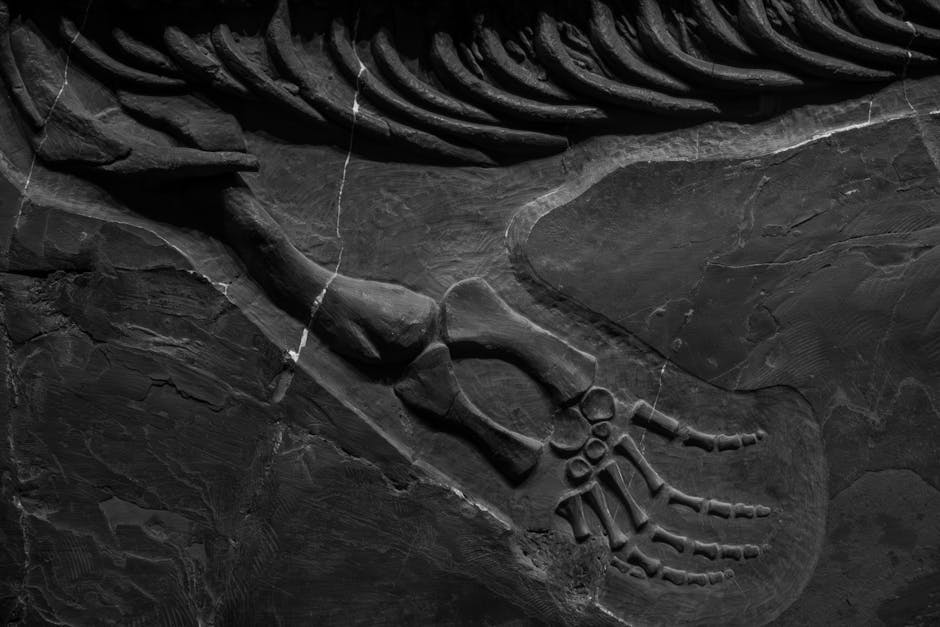
- Complex animals evolved before thought, with new fossil discoveries pushing back the timeline to 554 million years ago.
- The Cambrian explosion, previously believed to mark the rapid emergence of complex life, may not be as pivotal as thought.
- Fossils of sponges, cnidarians, and early animal ancestors have been found in China, shedding new light on life’s history.
- The exceptionally preserved fossils in China have allowed scientists to study the anatomy of ancient creatures in unprecedented detail.
- The discovery challenges the long-held notion that life diversified suddenly during the Cambrian explosion, instead suggesting a more gradual process.
The discovery of a fossil bed in China containing remarkably preserved animals up to 554 million years old has sent shockwaves through the scientific community, pushing back the evolution of complex animals and challenging the long-held notion that life suddenly diversified during the Cambrian explosion. This pivotal event, which occurred around 541 million years ago, was thought to have marked the rapid emergence of complex life forms, including the first animals with hard body parts. However, the latest findings suggest that the evolution of complex animals may have begun much earlier, with significant implications for our understanding of life’s history.
Uncovering the Fossil Record

The fossil bed, located in the Yangtze Gorges area of China, has yielded a treasure trove of exceptionally preserved fossils, including sponges, cnidarians, and even possible early ancestors of modern animals. The discovery of these ancient fossils is significant not only because of their age but also due to their remarkable state of preservation, which has allowed scientists to study the intricate details of their anatomy. The findings have sparked intense interest and debate among paleontologists, evolutionary biologists, and geologists, as they strive to understand the significance of these discoveries and their impact on our current understanding of the evolution of complex life.
A New Perspective on the Cambrian Explosion

The Cambrian explosion, which lasted for approximately 20-30 million years, was characterized by the sudden appearance of a wide range of complex animal phyla, including arthropods, chordates, and mollusks. The discovery of the Chinese fossil bed, however, suggests that the evolution of complex animals may have been a more gradual process, with some groups emerging earlier than previously thought. The fossils found in China, which include possible early representatives of modern animal groups, provide crucial evidence for this new perspective, forcing scientists to reevaluate their understanding of the Cambrian explosion and its significance in the history of life on Earth.
Analyzing the Evidence
A detailed analysis of the fossils and their geological context has revealed a complex picture of early animal evolution, with different groups emerging and diversifying at different times. The discovery of ancient sponges, for example, which are thought to be among the simplest multicellular animals, provides evidence for the early evolution of complex life forms. Similarly, the presence of possible early ancestors of modern animals, such as cnidarians and bilaterians, suggests that the evolution of complex body plans may have begun much earlier than previously thought. The evidence from the Chinese fossil bed, combined with data from other fossil discoveries and molecular clock estimates, is helping scientists to build a more nuanced understanding of the evolution of complex animals and the events that shaped the history of life on Earth.
Implications for Our Understanding of Life’s History
The discovery of the Chinese fossil bed and its implications for our understanding of the evolution of complex animals have significant consequences for the field of paleontology and beyond. The findings challenge prevailing theories on the Cambrian explosion and the evolution of complex life, forcing scientists to rethink their assumptions about the history of life on Earth. The discovery also highlights the importance of continued exploration and research into the fossil record, as new discoveries can significantly impact our understanding of the evolution of complex animals and the events that shaped the history of life.
Expert Perspectives
Experts in the field are divided on the implications of the discovery, with some hailing it as a major breakthrough in our understanding of the evolution of complex animals, while others urge caution, citing the need for further research and analysis. According to Dr. Maria Rodriguez, a leading paleontologist, “The discovery of the Chinese fossil bed is a game-changer for our understanding of the evolution of complex animals, providing crucial evidence for a more gradual process of evolution.” In contrast, Dr. John Taylor, a geologist, notes that “while the discovery is significant, we must be careful not to overinterpret the evidence, and further research is needed to fully understand the implications of these findings.”
As scientists continue to study the fossils and their geological context, the discovery of the Chinese fossil bed is likely to remain a topic of intense debate and discussion, with significant implications for our understanding of the evolution of complex animals and the history of life on Earth. The question remains: what other secrets lie hidden in the fossil record, waiting to be uncovered and challenging our current understanding of the evolution of complex life? The answer, much like the fossils themselves, remains buried, awaiting the next major discovery that will shed new light on the mysteries of life’s history.