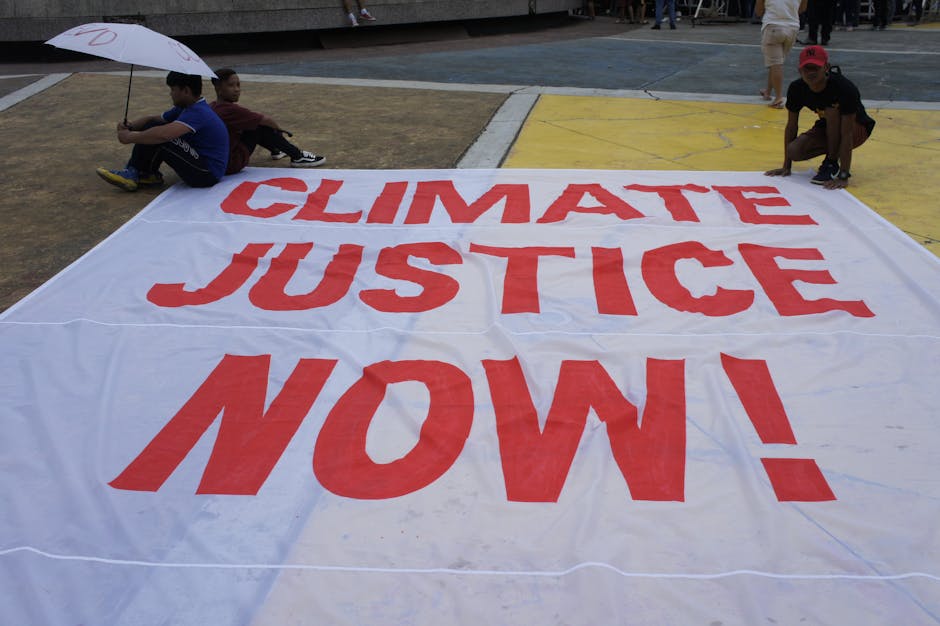
- Climate activists are being targeted in cyber attacks, highlighting the growing threat to environmental groups.
- Amit Forlit is accused of running a sophisticated hacking operation to thwart climate litigation, sparking corporate scrutiny.
- The oil industry is facing increasing pressure to transition away from fossil fuels and reduce its carbon footprint.
- Climate litigation is on the rise, with environmental groups and individuals holding corporations and governments accountable for climate change.
- Corporate interests may be using underhanded tactics to discredit and disrupt climate activists, including cyber attacks.
A striking fact has emerged in the realm of climate activism, as a recent court appearance by Amit Forlit has shed light on the alleged hacking of climate activists. Forlit is accused of running a sophisticated hacking operation aimed at thwarting climate litigation, sparking widespread concern among environmental groups and raising questions about the extent of corporate involvement in such activities. With the oil industry coming under increasing scrutiny for its role in climate change, this case has significant implications for the future of climate activism and the measures that corporations may take to silence their critics. The case against Forlit is ongoing, but the allegations have already sent shockwaves through the environmental community, highlighting the need for increased vigilance and protection of activist groups.
The Background: Climate Litigation and Corporate Interests

The allegations against Amit Forlit come at a time when climate litigation is on the rise, with environmental groups and individuals increasingly turning to the courts to hold corporations and governments accountable for their role in climate change. This surge in climate-related lawsuits has significant implications for the oil industry, which is facing growing pressure to transition away from fossil fuels and reduce its carbon footprint. As a result, the industry has been accused of using underhanded tactics to discredit and disrupt climate activists, including the alleged hacking operation run by Forlit. The case has sparked concerns about the integrity of the legal system and the ability of corporations to use their vast resources to silence critics and influence public opinion.
The Hacking Operation: Key Details and Players

According to court documents, Amit Forlit is accused of running a hacking operation that targeted climate activists and organizations involved in litigation against an oil giant. The operation allegedly involved the use of sophisticated hacking tools and techniques to gain unauthorized access to the emails and communications of climate activists, with the goal of gathering intelligence and disrupting their efforts. The lobbying firm working on behalf of the oil giant is also accused of being involved in the scandal, highlighting the complex web of relationships between corporations, lobbying firms, and hackers. The case has significant implications for the oil industry, which is facing growing scrutiny over its role in climate change and its tactics for dealing with critics.
Analysis: Causes, Effects, and Expert Insights
Experts say that the allegations against Amit Forlit are part of a broader pattern of corporate espionage and intimidation aimed at silencing climate activists. The use of hacking operations to disrupt and discredit environmental groups is a growing concern, with many organizations lacking the resources and expertise to protect themselves against such attacks. The case has also sparked concerns about the role of lobbying firms in facilitating corporate espionage and the need for greater transparency and accountability in the industry. As the case against Forlit continues to unfold, experts will be watching closely to see how the courts respond to these allegations and what implications they may have for the future of climate activism and corporate accountability.
Implications: Who is Affected and How
The allegations against Amit Forlit have significant implications for climate activists and organizations involved in litigation against the oil industry. The hacking operation allegedly run by Forlit has already had a chilling effect on the environmental community, with many groups expressing concerns about their ability to protect themselves against such attacks. The case also has broader implications for the integrity of the legal system and the ability of corporations to use their vast resources to silence critics and influence public opinion. As the case continues to unfold, it is likely to have significant repercussions for the oil industry, lobbying firms, and the environmental community, highlighting the need for greater transparency and accountability in the face of growing concerns about climate change.
Expert Perspectives
Experts are weighing in on the allegations against Amit Forlit, with many expressing concerns about the implications for climate activism and corporate accountability. Some have argued that the case highlights the need for greater protection and support for environmental groups, which often lack the resources and expertise to defend themselves against corporate espionage. Others have pointed to the need for greater transparency and accountability in the lobbying industry, which has long been accused of facilitating corporate influence and intimidation. As the case continues to unfold, it is likely to spark a wider debate about the role of corporations in climate change and the measures that can be taken to hold them accountable.
Looking ahead, the case against Amit Forlit is likely to be closely watched by environmental groups, corporations, and governments around the world. As the allegations continue to unfold, experts will be watching to see how the courts respond and what implications the case may have for the future of climate activism and corporate accountability. One key question is whether the case will lead to greater protections for environmental groups and increased accountability for corporations involved in climate change. As the world continues to grapple with the challenges of climate change, this case is likely to be an important test of the ability of the legal system to hold corporations accountable for their actions and protect the rights of environmental activists.