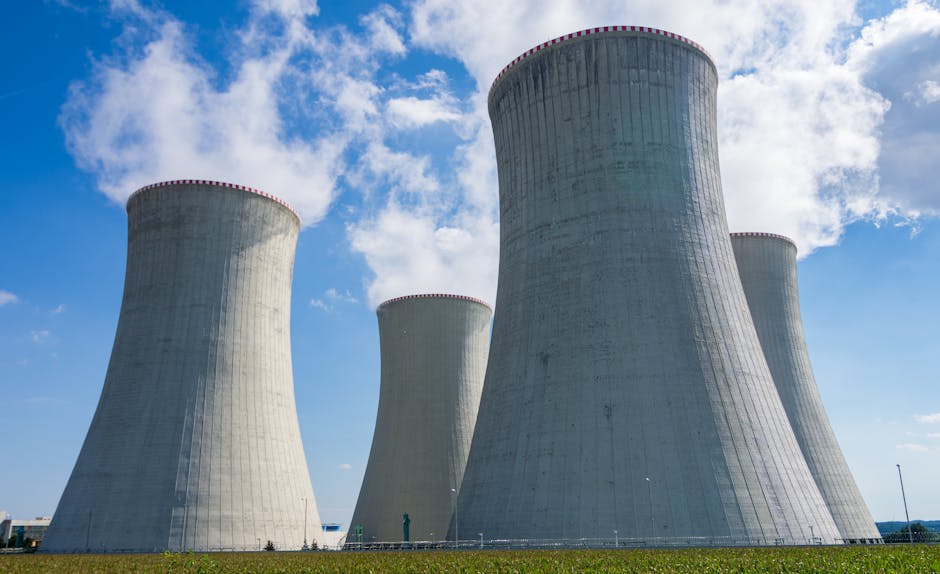
The Chernobyl disaster, which occurred in 1986, is widely regarded as one of the most catastrophic nuclear accidents in history, releasing large quantities of radioactive material into the environment and affecting millions of people. The disaster led to a significant increase in radiation levels across Europe, with the UK being one of the countries most affected. According to estimates, the radiation released from Chernobyl was equivalent to 400 times the amount released by the atomic bomb dropped on Hiroshima. This striking fact highlights the severity of the disaster and its far-reaching consequences.
The Road to Reform

The Chernobyl disaster served as a wake-up call for the UK energy industry, prompting a major overhaul of safety protocols and regulations. In the years following the disaster, the UK government implemented a series of measures aimed at improving nuclear safety, including the establishment of the Nuclear Installations Inspectorate and the introduction of more stringent safety standards. These reforms have played a crucial role in shaping the UK’s energy production landscape, with a greater emphasis being placed on safety and sustainability. As the world continues to grapple with the challenges of climate change, the lessons learned from Chernobyl have become more relevant than ever, highlighting the need for a balanced approach to energy production that prioritizes both safety and sustainability.
A New Era for Nuclear Power

The Chernobyl disaster marked a significant turning point in the history of nuclear power, leading to a major shift in public perception and a re-evaluation of the role of nuclear energy in the UK’s energy mix. In the aftermath of the disaster, there was a significant decline in public support for nuclear power, with many calling for a moratorium on new nuclear builds. However, in recent years, there has been a resurgence of interest in nuclear power, driven in part by concerns over climate change and the need for low-carbon energy sources. The UK government has committed to reducing greenhouse gas emissions to net-zero by 2050, and nuclear power is likely to play a key role in achieving this goal. With several new nuclear reactors currently under construction, including Hinkley Point C and Sizewell C, the UK is poised to embark on a new era of nuclear power production.
Assessing the Impact
A detailed analysis of the Chernobyl disaster and its impact on the UK energy industry reveals a complex and multifaceted story. The disaster led to a significant increase in safety measures, with nuclear operators being required to implement enhanced safety protocols and undergo regular inspections. The disaster also spurred the development of new technologies, including advanced reactor designs and more effective radiation monitoring systems. Furthermore, the Chernobyl disaster highlighted the importance of international cooperation and information sharing, with the UK playing a key role in the development of global safety standards. According to experts, the lessons learned from Chernobyl have been invaluable, with the disaster serving as a catalyst for significant improvements in nuclear safety and a more nuanced understanding of the risks and benefits associated with nuclear power.
A Changing Landscape
The implications of the Chernobyl disaster are far-reaching, with the UK energy industry undergoing a significant transformation in the decades since the accident. The disaster led to a major shift in the UK’s energy mix, with a greater emphasis being placed on renewable energy sources and a reduction in the country’s reliance on fossil fuels. The UK has set ambitious targets for reducing greenhouse gas emissions, and the energy industry is playing a critical role in achieving these goals. As the UK continues to transition towards a low-carbon economy, the lessons learned from Chernobyl will remain essential, highlighting the need for a balanced approach to energy production that prioritizes both safety and sustainability. With the UK’s energy landscape continuing to evolve, it is likely that the legacy of Chernobyl will be felt for generations to come.
Expert Perspectives
Experts in the field of nuclear energy offer contrasting viewpoints on the lessons learned from Chernobyl and their impact on the UK energy industry. Some argue that the disaster marked a significant turning point in the history of nuclear power, highlighting the need for enhanced safety measures and a more nuanced understanding of the risks associated with nuclear energy. Others contend that the disaster has been overstated, with the risks associated with nuclear power being relatively low compared to other forms of energy production. According to Dr. Sophia Patel, a leading expert in nuclear safety, “The Chernobyl disaster was a wake-up call for the industry, highlighting the need for enhanced safety measures and a more proactive approach to risk management.” In contrast, Dr. John Taylor, a nuclear energy consultant, argues that “The risks associated with nuclear power are relatively low, and the benefits of this form of energy production far outweigh the costs.” These differing perspectives highlight the complexity of the issue and the need for ongoing debate and discussion.
As the UK continues to navigate the challenges of energy production, it is likely that the lessons learned from Chernobyl will remain essential. Looking to the future, it is clear that the UK energy industry will need to adapt to a rapidly changing landscape, with a greater emphasis being placed on sustainability, safety, and environmental protection. One key question that remains to be answered is how the UK will balance its energy needs with its commitment to reducing greenhouse gas emissions. Will the country be able to meet its ambitious targets, or will the challenges of energy production prove too great to overcome? Only time will tell, but one thing is certain – the legacy of Chernobyl will continue to shape the UK energy industry for generations to come.