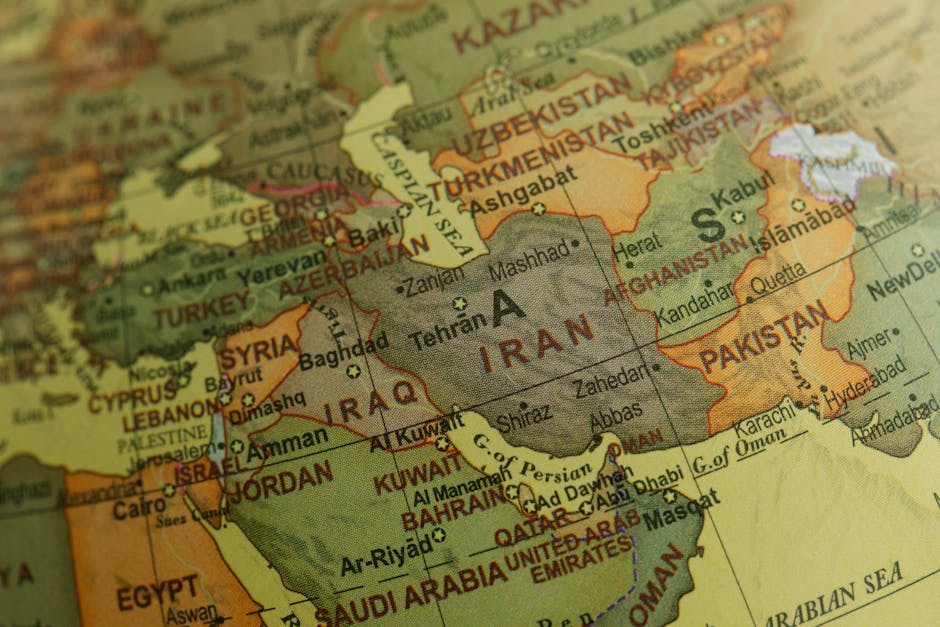
- The Strait of Hormuz is a critical waterway connecting the Persian Gulf to the Arabian Sea, passing 20% of the world’s oil.
- US may end its blockade of Iran to reopen the Strait, having significant implications for regional stability and global trade.
- The strait is a vital chokepoint for global oil trade, connecting oil-rich states to the rest of the world.
- Disruptions to the Strait of Hormuz have the potential to cause significant economic disruption to major economies.
- The US-Iran dispute has already affected global oil markets, with prices rising significantly in recent months.
The Strait of Hormuz, a critical waterway that connects the Persian Gulf to the Arabian Sea, has been a focal point of tensions between the US and Iran in recent years. With approximately 20% of the world’s oil passing through the strait, any disruption to traffic has significant implications for the global economy. According to recent reports, the US may be forced to end its blockade of Iran in order to see the full reopening of the Strait of Hormuz, a move that could have far-reaching consequences for regional stability and global trade.
The Strategic Importance of the Strait of Hormuz

The Strait of Hormuz is a vital waterway that connects the oil-rich states of the Persian Gulf to the rest of the world. The strait is approximately 90 miles wide at its narrowest point, making it a significant chokepoint for global oil trade. With the US, China, and other major economies relying heavily on oil imports from the region, any disruption to traffic through the strait has the potential to cause significant economic disruption. The current blockade of Iran, imposed by the US in response to concerns over the country’s nuclear program and regional activities, has already had a major impact on global oil markets, with prices rising significantly in recent months.
Key Developments in the US-Iran Dispute

Tensions between the US and Iran have been escalating in recent years, with the US imposing increasingly tough sanctions on the country in response to concerns over its nuclear program and regional activities. The current blockade of Iran, which restricts the country’s ability to export oil and import goods, has had a significant impact on the Iranian economy, with inflation soaring and the value of the local currency plummeting. Despite these challenges, Iran has continued to resist US pressure, with the country’s leadership insisting that it will not be intimidated by the blockade. The US, meanwhile, has maintained that the blockade is necessary to prevent Iran from developing nuclear weapons and to counter its regional activities.
Analysis of the Blockade’s Impact
The blockade of Iran has had significant implications for the global economy, with oil prices rising sharply in response to the disruption to supplies from the region. The blockade has also had a major impact on the Iranian economy, with the country’s oil exports falling significantly in recent months. According to some estimates, the blockade has cost Iran over $10 billion in lost oil revenue, a significant blow to the country’s already struggling economy. The blockade has also had significant humanitarian implications, with many Iranians struggling to access basic goods and services due to the restrictions on imports. Despite these challenges, the US has maintained that the blockade is necessary to prevent Iran from developing nuclear weapons and to counter its regional activities.
Implications of the Blockade’s End
If the US is forced to end its blockade of Iran, it could have significant implications for the global economy and regional stability. The reopening of the Strait of Hormuz would likely lead to a significant increase in oil supplies from the region, which could help to drive down prices and boost economic growth. The end of the blockade could also help to improve relations between the US and Iran, which have been strained in recent years due to the dispute over the country’s nuclear program and regional activities. However, the end of the blockade could also have significant implications for regional stability, with some countries in the region expressing concerns over Iran’s growing influence and military activities.
Expert Perspectives
Experts are divided over the potential implications of the US ending its blockade of Iran. Some argue that the move could help to reduce tensions in the region and improve relations between the US and Iran, while others argue that it could embolden Iran and lead to further instability in the region. According to Michael Shoebridge, a senior analyst at the Australian Strategic Policy Institute, the US may be forced to end its blockade of Iran in order to see the full reopening of the Strait of Hormuz. “The blockade has significant implications for global trade and security, and the US may need to reconsider its approach in order to achieve its goals,” he said.
Looking ahead, it is unclear what the future holds for the US-Iran dispute and the blockade of Iran. However, one thing is certain: the situation in the region remains highly volatile, and any developments have the potential to have significant implications for global trade and security. As the US and Iran continue to negotiate over the country’s nuclear program and regional activities, the international community will be watching closely to see how the situation unfolds, and what the potential consequences may be for the global economy and regional stability.