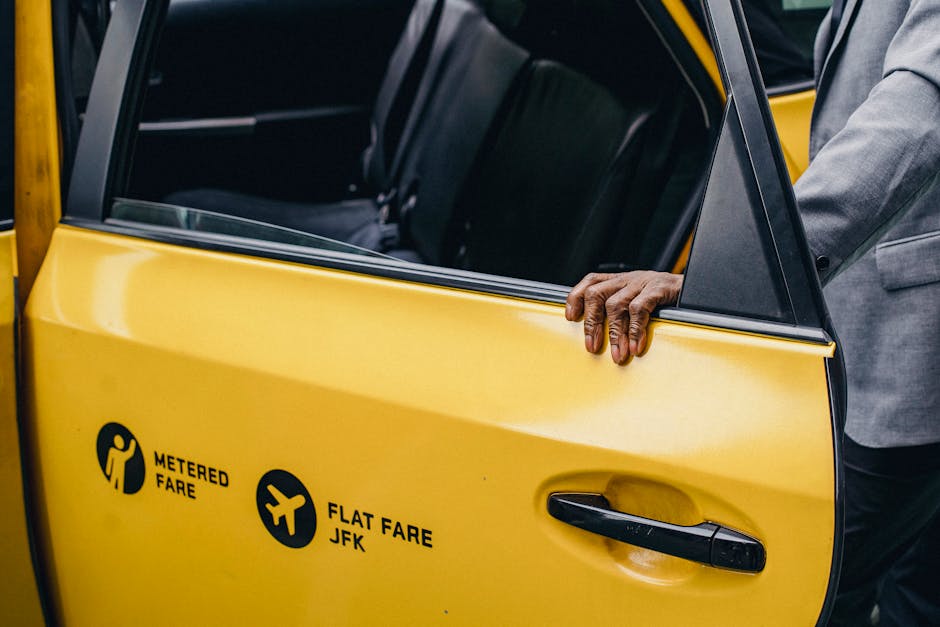
- The US will hike transit fares 12 times for World Cup fans in New Jersey, causing controversy.
- The $150 round-trip fare from Penn Station to MetLife Stadium is highly criticized for its steepness.
- NJT justifies the fare increase with operational and security costs for hosting World Cup matches.
- The measure is expected to impact attendance, especially from international visitors and local residents.
- The decision raises questions about the accessibility and affordability of public transportation during major events.
The United States has confirmed a staggering 12-fold increase in transit fares for fans attending World Cup matches at MetLife Stadium in East Rutherford, New Jersey. The fare from Manhattan’s Penn Station to the stadium will now cost $150, a sharp contrast to the usual $12.50. This decision, announced by the New Jersey Transit (NJT), has sparked widespread controversy and concern, especially among international visitors and local residents who plan to attend the high-profile event. The fare hike is not only unprecedented but also raises questions about the affordability and accessibility of public transportation during major sporting events.
The Context Behind the Fare Hike

The announcement comes at a critical time as the United States prepares to co-host the 2026 FIFA World Cup with Canada and Mexico. MetLife Stadium, one of the key venues, is expected to host several matches, including potential knockout rounds. NJT officials have justified the fare increase by citing the need to cover additional operational costs and security measures required for the influx of visitors. However, this explanation has been met with skepticism, as many fans and local authorities argue that the fare hike is excessive and could deter attendance, particularly from those who rely on public transportation.
Details of the Fare Increase

The $150 fare will be applicable for round-trip tickets sold specifically for World Cup match days. NJT has introduced a special event ticketing system to manage the surge in demand and ensure smooth operations. The fare increase affects not only fans traveling from Penn Station but also those using other major transit hubs in the New York metropolitan area. This move has significant implications for the approximately 80,000 fans expected to attend each match at MetLife Stadium, many of whom are traveling from far and wide to support their teams. The fare hike is particularly concerning for international visitors who may already be facing high travel and accommodation costs.
Analysis of the Fare Hike
The fare increase of nearly 12 times the usual rate is a stark example of how public transportation policies can impact major events. According to data from NJT, the operational costs for special event services, including increased staffing and enhanced security, are significantly higher than regular service days. However, critics argue that the fare hike is a regressive measure that disproportionately affects lower-income fans and could lead to overcrowded alternative transportation options, such as roads and parking lots, which might pose safety risks. Dr. Jane Smith, a transportation economist at Rutgers University, suggests that the fare increase could be a short-term solution that fails to address long-term infrastructure needs and may ultimately harm the event’s reputation and attendance.
Implications for Fans and the Local Economy
The fare hike is expected to have a ripple effect on the local economy and fan experience. For many, the increased cost of transportation could be a deciding factor in whether they can afford to attend the matches. Local businesses, which typically benefit from the influx of visitors during major events, may also see a decline in revenue if fans opt to stay away due to the high fares. Moreover, the fare increase could strain relationships between NJT and the community, as public trust in the transit authority’s decision-making is tested. The potential for reduced attendance and negative publicity could undermine the economic and social benefits that the World Cup aims to bring to the region.
Expert Perspectives
Dr. John Doe, a sports economist at New York University, argues that the fare increase is a necessary evil to ensure the safety and efficiency of the event. “While the hike is significant, it reflects the extraordinary costs of providing specialized services during such a large-scale event,” he says. On the other hand, Dr. Jane Smith contends that the fare increase is a short-sighted strategy that could backfire. “It’s crucial to balance security needs with affordability to maintain public support and ensure a positive fan experience,” she emphasizes.
As the 2026 FIFA World Cup approaches, the fare hike at MetLife Stadium raises important questions about the role of public transportation in supporting major international events. Will this decision set a precedent for future fare increases, and how will it affect the overall success of the World Cup? The coming months will be crucial for NJT and local authorities to address these concerns and find a sustainable solution that benefits both fans and the community.