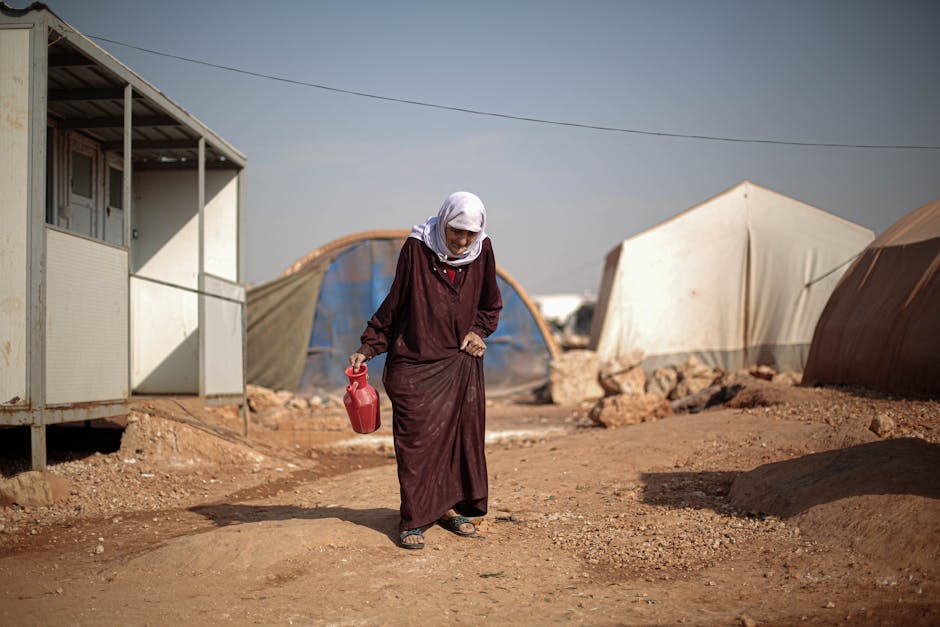
- The UN warns South Sudan is at risk of ‘full-scale famine’ due to intensified conflict and humanitarian needs.
- Over 8 million people in South Sudan need humanitarian assistance, with 4.5 million facing severe food insecurity.
- Fighting between government forces and rebel groups has displaced thousands and disrupted agricultural production.
- The UN humanitarian response is hindered by a lack of funding, leaving many in need without access to basic necessities.
- Climate change, economic crisis, and conflict have created a perfect storm in South Sudan, devastating the population.
The United Nations has issued a stark warning that South Sudan is at risk of ‘full-scale famine’ as the conflict in the country intensifies, leaving millions of people on the brink of starvation. According to the UN, the situation is becoming increasingly dire, with over 8 million people in need of humanitarian assistance, and 4.5 million facing severe food insecurity. The warning comes as fighting between government forces and rebel groups has escalated, displacing thousands of people and disrupting agricultural production, further exacerbating the crisis.
The Humanitarian Crisis Unfolds

The crisis in South Sudan has been years in the making, with the country plagued by conflict, poverty, and instability since gaining independence in 2011. However, the situation has taken a turn for the worse in recent months, with fighting intensifying and humanitarian needs rising. The UN has warned that the country is facing a perfect storm of conflict, climate change, and economic crisis, which is having a devastating impact on the population. The humanitarian response has been hindered by a lack of funding, with the UN appeal for South Sudan still significantly underfunded, leaving many in need without access to basic necessities like food, water, and shelter.
Fighting and Displacement

The conflict in South Sudan has been marked by brutal fighting, with reports of atrocities committed by both government forces and rebel groups. The violence has displaced thousands of people, with many forced to flee their homes and seek shelter in overcrowded and under-resourced camps. The situation is particularly dire for women and children, who are often the most vulnerable in conflict situations. The UN has reported that over 1.5 million people have been displaced internally, while a further 2.5 million have fled to neighboring countries, putting a strain on regional resources and infrastructure. The fighting has also disrupted agricultural production, with many farmers forced to abandon their land, leading to a significant decline in food production and exacerbating the famine risk.
Causes and Consequences
The causes of the crisis in South Sudan are complex and multifaceted, with a combination of factors contributing to the current situation. The conflict has been driven by political and ethnic tensions, with the government and rebel groups vying for power and control. The economic crisis has also played a significant role, with the country facing a severe shortage of foreign currency and a decline in oil production, which has had a devastating impact on the economy. The consequences of the crisis are far-reaching, with the humanitarian situation deteriorating by the day. The UN has warned that if the situation is not addressed, the consequences will be catastrophic, with millions of people at risk of starvation and disease.
Implications for the Region
The crisis in South Sudan has significant implications for the region, with the potential to destabilize neighboring countries and exacerbate existing conflicts. The influx of refugees has put a strain on regional resources, with many countries struggling to cope with the numbers. The situation has also raised concerns about the spread of disease, with the risk of outbreaks of cholera, measles, and other diseases increasing as the humanitarian situation deteriorates. The international community has been called upon to take action to address the crisis, with the UN warning that a failure to do so will have far-reaching and devastating consequences for the region and beyond.
Expert Perspectives
Experts have warned that the situation in South Sudan is at a tipping point, with the risk of full-scale famine looming large. The UN aid chief, Tom Fletcher, has warned that hunger is tightening its grip on the country, with the humanitarian needs rising by the day. Other experts have called for a cessation of hostilities and a commitment to a peaceful resolution to the conflict, warning that the alternative will be catastrophic. The international community has been urged to take a more proactive role in addressing the crisis, with a need for increased funding and support for humanitarian efforts.
As the situation in South Sudan continues to deteriorate, the international community is being forced to confront the reality of the crisis. The question on everyone’s lips is what can be done to prevent a full-scale famine and address the humanitarian needs of the population. The answer is complex, but one thing is clear: the situation requires immediate attention and action. The UN has warned that time is running out, and if the situation is not addressed, the consequences will be devastating. The world is watching, and it remains to be seen what action will be taken to prevent a humanitarian disaster of epic proportions.