- The Strait of Hormuz closure has sent shockwaves through global markets with oil prices surging and fears of economic instability growing.
- The Strait of Hormuz is a critical waterway through which nearly a fifth of the world’s oil passes, making its closure a significant threat to the global economy.
- The US blockade of Iran has led to a deepening crisis between the two nations, with Iran responding by closing the Strait of Hormuz.
- The closure of the Strait of Hormuz has the potential to cripple the global economy, with millions of barrels of oil passing through it every day.
- The US, China, and other major economies rely heavily on the Strait of Hormuz for their oil imports, making any disruption to the supply chain a significant concern.
The Strait of Hormuz, a critical waterway through which nearly a fifth of the world’s oil passes, has been closed by Iran in response to the ongoing US blockade. This drastic move has sent shockwaves through global markets, with oil prices surging and fears of widespread economic instability growing. The closure of the strait is a significant escalation of the long-standing tensions between Iran and the US, and its impact is likely to be felt far beyond the Middle East. As the global economy struggles to recover from the aftermath of the pandemic, the prospect of disrupted oil supplies and soaring prices threatens to derail the fragile recovery.
The Strategic Importance of the Strait of Hormuz

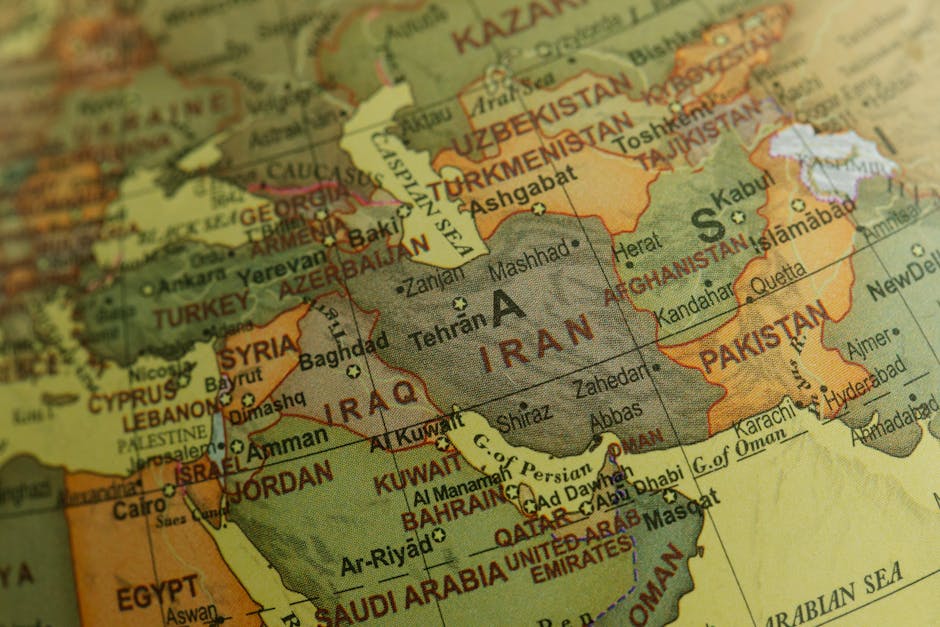
The Strait of Hormuz is a vital artery of global trade, with millions of barrels of oil passing through it every day. The waterway connects the Persian Gulf to the Gulf of Oman, and its closure has the potential to cripple the global economy. The strait is just 21 miles wide at its narrowest point, making it a chokepoint for international trade. The US, China, and other major economies rely heavily on the strait for their oil imports, and any disruption to the supply chain is likely to have far-reaching consequences. As tensions between Iran and the US continue to escalate, the strategic importance of the Strait of Hormuz has never been more apparent.
The US Blockade and Iran’s Response

The US blockade of Iran, which has been in place for several years, has had a devastating impact on the Iranian economy. The blockade has restricted Iran’s access to international markets, crippling its ability to export oil and import essential goods. In response, Iran has threatened to close the Strait of Hormuz on several occasions, but this is the first time it has followed through on its threat. The Iranian government has stated that the closure of the strait is a necessary measure to protect its economy and sovereignty, and that it will remain in place until the US blockade is lifted. The move has been condemned by the US and its allies, who have accused Iran of engaging in reckless and provocative behavior.
Analysis of the Crisis
The closure of the Strait of Hormuz is a complex and multifaceted crisis, with far-reaching implications for the global economy and international relations. The crisis is driven by a combination of factors, including the US blockade, Iran’s economic struggles, and the geopolitical tensions in the region. Experts warn that the closure of the strait could lead to a surge in oil prices, potentially exceeding $100 per barrel. This would have a devastating impact on the global economy, particularly for countries that rely heavily on oil imports. The crisis also has significant implications for international relations, with the US and its allies facing off against Iran and its allies in a battle for control of the region’s oil resources.
Implications of the Crisis
The implications of the crisis are far-reaching and profound, with the potential to affect millions of people around the world. The closure of the Strait of Hormuz will have a significant impact on the global economy, particularly for countries that rely heavily on oil imports. The surge in oil prices will lead to higher inflation, reduced economic growth, and increased poverty. The crisis will also have significant implications for international relations, with the US and its allies facing off against Iran and its allies in a battle for control of the region’s oil resources. The prospects for a peaceful resolution to the crisis appear slim, with both sides dug in and refusing to back down.
Expert Perspectives
Experts are divided on the implications of the crisis, with some warning of a catastrophic collapse of the global economy and others predicting a more muted impact. Some analysts believe that the closure of the Strait of Hormuz is a desperate attempt by Iran to regain leverage in its negotiations with the US, while others see it as a reckless and provocative move that will only serve to escalate the crisis. As the situation continues to unfold, one thing is clear: the closure of the Strait of Hormuz has the potential to be a game-changer for the global economy and international relations.
Looking ahead, the key question is what will happen next. Will the US and its allies attempt to reopen the strait by force, or will they seek a diplomatic solution to the crisis? How will Iran respond to international pressure, and what are the prospects for a peaceful resolution to the crisis? As the world waits with bated breath, one thing is certain: the closure of the Strait of Hormuz is a crisis that will have far-reaching implications for the global economy and international relations.