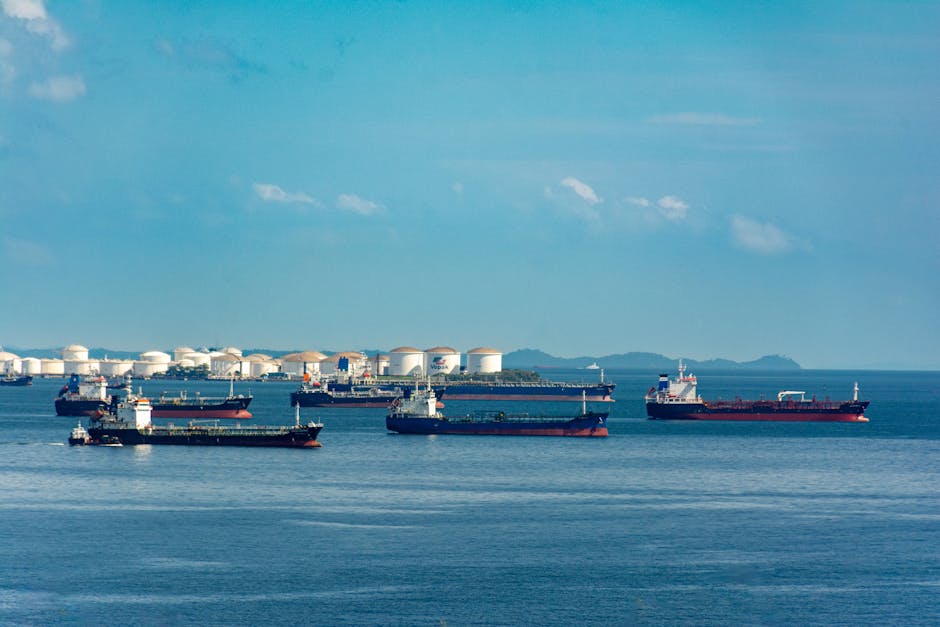
- Brent crude prices have plummeted below $91 due to the Hormuz crisis, marking a 9% drop in recent weeks.
- The US-Iran standoff has escalated significantly since the Trump administration’s withdrawal from the JCPOA in 2018.
- The Hormuz waterway’s reopening and subsequent closure have sparked a new crisis threatening the oil market’s balance.
- The US blockade has had a devastating impact on Iran’s economy, prompting Tehran to adopt a more aggressive posture.
- The Hormuz crisis is a symptom of a broader geopolitical struggle for influence in the region.
The oil market has been thrown into turmoil as Brent crude prices plummeted below $91, marking a significant drop of over 9 percent in recent weeks. This sudden decline comes on the heels of Iran’s surprise announcement to reopen the strategic Hormuz waterway, only to shutter it again in response to the US blockade. The Strait of Hormuz, a critical chokepoint for global oil trade, has long been a flashpoint for regional tensions, and this latest development has sparked a new crisis that threatens to upend the delicate balance of the oil market.
The Hormuz Dilemma: A Perfect Storm of Geopolitics and Economics

The Hormuz crisis is not an isolated incident, but rather a symptom of a broader geopolitical struggle for influence in the region. The US-Iran standoff has been simmering for years, with the Trump administration’s withdrawal from the Joint Comprehensive Plan of Action (JCPOA) in 2018 marking a significant escalation. The subsequent reimposition of sanctions on Iran has had a devastating impact on the country’s economy, prompting Tehran to adopt an increasingly aggressive posture in the region. As the situation continues to deteriorate, the world is watching with bated breath, aware that any miscalculation could have far-reaching consequences for global oil markets and the broader economy.
A Timeline of Escalation: From Blockade to Closure

The events leading up to the current crisis have been marked by a series of escalating provocations. The US blockade of Iranian oil exports, aimed at crippling the country’s economy, has been met with fierce resistance from Tehran. In response to the blockade, Iran announced its intention to reopen the Hormuz waterway, a move seen as a direct challenge to US authority in the region. However, this bold move was short-lived, as Iran subsequently shut the waterway again, citing the US blockade as a pretext. The rapid-fire sequence of events has left analysts and policymakers scrambling to keep pace, as the situation continues to unfold with alarming rapidity.
Unpacking the Crisis: Causes, Effects, and Expert Analysis
Experts point to a complex interplay of factors as contributing to the current crisis. The US-Iran standoff, coupled with the regional ambitions of Saudi Arabia and other Gulf states, has created a perfect storm of tensions in the region. The impact on global oil markets has been immediate and far-reaching, with prices plummeting in response to the uncertainty. According to Dr. Maria Rossi, a leading expert on energy geopolitics, “The Hormuz crisis is a stark reminder of the vulnerabilities of the global oil system. As the situation continues to deteriorate, we can expect to see significant volatility in the markets, with potential knock-on effects for the broader economy.”
Implications and Consequences: Who Stands to Lose?
The implications of the Hormuz crisis are far-reaching and profound, with potential consequences for a wide range of stakeholders. From oil majors to shipping companies, the impact of the crisis will be felt across the global economy. As the situation continues to unfold, it is clear that the losers will include not only Iran and the US but also the broader global community, which stands to suffer from the resulting uncertainty and volatility. According to a recent report by the International Energy Agency (IEA), the crisis could result in significant losses for oil-importing countries, which could have a devastating impact on their economies.
Expert Perspectives
As the crisis deepens, experts are weighing in with contrasting viewpoints on the situation. Some, like Dr. John Taylor, a renowned expert on US-Iran relations, argue that the US blockade is a necessary measure to counter Iranian aggression. Others, such as Dr. Fatima Khan, a leading expert on energy security, contend that the blockade is a reckless provocation that will only serve to exacerbate the crisis. As the debate rages on, one thing is clear: the situation in the Hormuz Strait is a complex and multifaceted challenge that will require careful diplomacy and nuance to resolve.
Looking ahead, the key question on everyone’s mind is what comes next. Will the US and Iran find a way to de-escalate the crisis, or will the situation continue to deteriorate? As the world waits with bated breath, one thing is certain: the Hormuz crisis is a stark reminder of the enduring importance of diplomacy and cooperation in the pursuit of global stability and security. As Dr. Rossi notes, “The current crisis is a wake-up call for the international community, highlighting the need for a more sustained and collective effort to address the underlying causes of conflict in the region.”