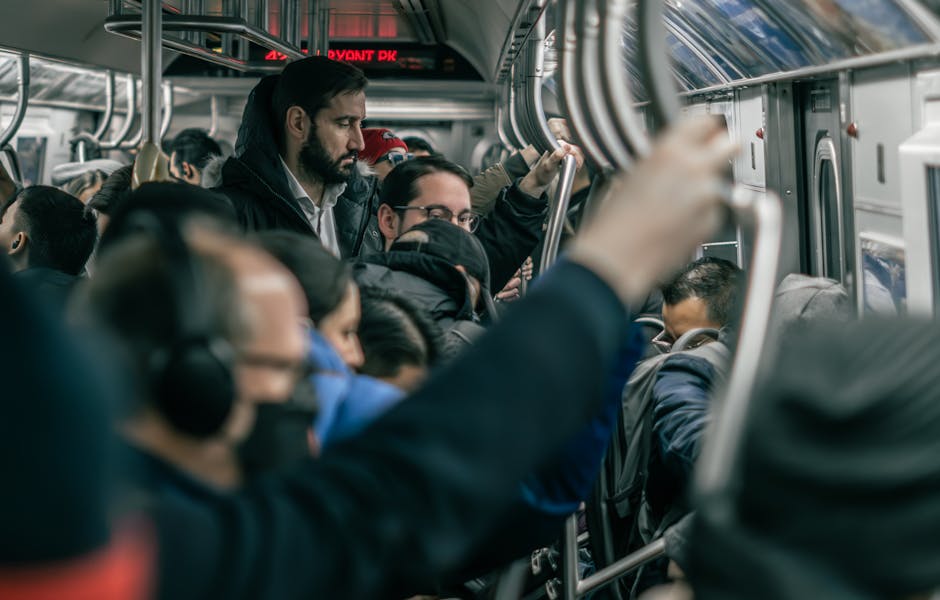
The upcoming World Cup matches at MetLife Stadium in New Jersey are anticipated to draw in thousands of soccer enthusiasts from across the globe, but attendees traveling from New York are in for a shock: transit fares are set to skyrocket to $150. This hefty price tag has left many fans reeling, sparking concerns over accessibility and affordability for what is supposed to be a celebratory event. As the world gears up for the beautiful game, the stark reality of exorbitant transportation costs threatens to overshadow the excitement, leaving a sour taste for those eager to cheer on their favorite teams.
Background and Significance

The World Cup, an event that unites nations and fans worldwide, is now marred by the looming shadow of expensive transit fares. The decision to hike prices to $150 for a trip from New York to MetLife Stadium in New Jersey underscores a deeper issue of economic inequality and accessibility. For many, especially those from lower-income backgrounds, this fare increase could be a significant barrier to attending the games. The timing of this announcement couldn’t be more poignant, as discussions around event accessibility and fan experience reach a fever pitch. The question on everyone’s mind is whether the love for the game can justify, or overcome, the financial burden imposed by such steep fares.
Key Details of the Fare Increase

The specifics of the $150 transit fare are stark. For fans planning to attend World Cup matches at MetLife Stadium, the journey from New York will not only be long but also financially daunting. The fare increase affects all modes of transit leading to the stadium, with no affordable alternatives in sight. This move has been met with widespread criticism, with many arguing that it disproportionately affects fans who are already investing significant amounts in tickets, accommodations, and other expenses related to the event. The involved transit authorities have cited operational costs and the need for special event services as reasons for the hike, but for fans, the justification rings hollow against the backdrop of their diminished wallets.
Analysis of Causes and Effects
An analysis of the situation reveals a complex interplay of factors leading to the fare increase. On one hand, the transit authorities face genuine challenges in providing special services for large events, which indeed incur higher operational costs. However, the decision to pass these costs entirely on to the consumers, without exploring alternative solutions or subsidies, has been deemed insensitive by many. The effects are multifaceted: aside from the direct financial impact on fans, there’s also a potential dampening of event spirit and a negative economic impact on local businesses that rely on the influx of attendees. Experts suggest that a more balanced approach, considering both the operational needs and the fan experience, could have mitigated the situation, possibly through tiered pricing, discounts for advance bookings, or even partnerships with event organizers to share the financial burden.
Implications for Fans and the Community
The implications of the $150 transit fare are far-reaching, affecting not just the individual fans but the broader community of soccer enthusiasts and the local economy. For fans, the decision may mean choosing between attending the games and managing their household budgets, a dilemma that no one should face when wanting to enjoy a sporting event. The community impact is also significant, as the World Cup is an event that traditionally brings people together, fostering a sense of unity and joy. By making attendance prohibitively expensive for some, the fare increase undermines this unifying potential, risking a less vibrant and less inclusive event atmosphere. Local businesses, too, may feel the pinch as potential attendees opt out due to the high costs of getting to the stadium.
Expert Perspectives
Experts in sports management and transportation economics offer contrasting viewpoints on the issue. Some argue that the fare increase, although steep, reflects the true cost of providing specialized transit services during peak demand periods. They suggest that attendees should factor in such costs when planning their event experience. On the other hand, consumer rights advocates and fan groups believe that more could have been done to mitigate the costs, citing examples of successful public-private partnerships in other events that have managed to keep attendee costs low without sacrificing service quality. The debate highlights the need for a more nuanced discussion about event accessibility and the role of transportation in enhancing, rather than hindering, the fan experience.
Looking forward, the situation poses an open question: how can future large-scale events balance the need for operational viability with the imperative of keeping the events accessible to a wide and diverse audience? As the sports and events industries continue to evolve, finding sustainable and equitable solutions to such dilemmas will be crucial. For now, fans and organizers alike wait with bated breath to see how the $150 transit fare will impact attendance and the overall spirit of the World Cup, hoping that the love of the game will prevail despite the financial challenges posed by getting to the games.