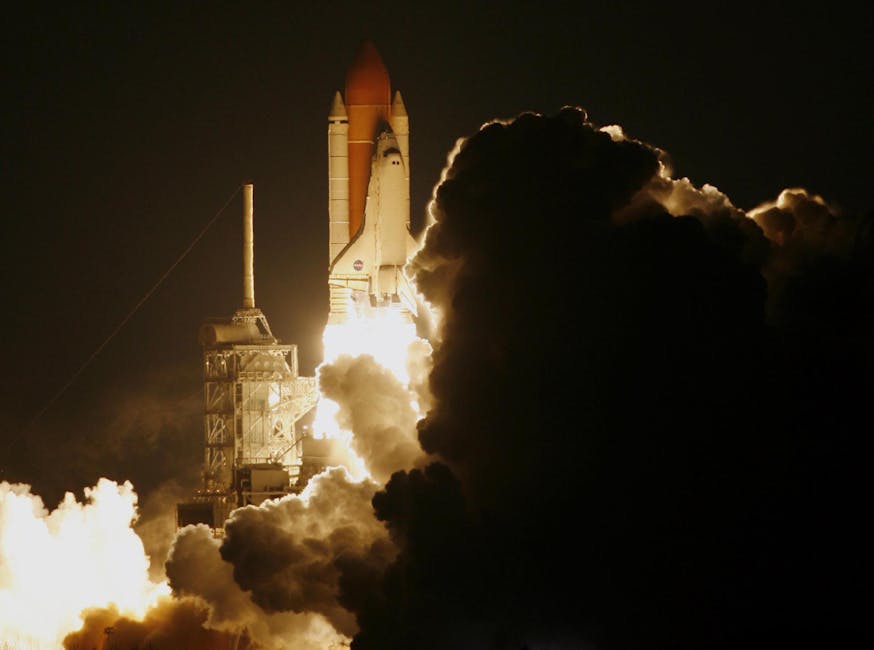
- The Artemis II mission marked a significant milestone in NASA’s plan to return humans to the lunar surface by 2025.
- The crew’s successful completion of the mission demonstrates the capability to send humans beyond Earth’s orbit.
- The Artemis II mission paves the way for future lunar endeavors and lays the groundwork for a manned mission to Mars.
- The success of Artemis II underscores the importance of continued investment in space technology and research.
- The mission represents a major resurgence in lunar exploration, a significant step forward in space exploration history.
The Artemis II mission, a pivotal step in NASA’s ambitious plan to return humans to the lunar surface by 2025, has marked a significant milestone with the successful completion of its crewed mission around the moon. In a recent news conference held at the Johnson Space Center in Houston, the four astronauts who embarked on this historic journey shared their experiences and insights, providing a unique glimpse into the challenges and triumphs of space exploration. With their mission paving the way for future lunar endeavors, the crew’s reflections offer valuable lessons for the next generation of space travelers.
Background and Significance

The Artemis II mission is part of a broader effort by NASA to reestablish a human presence on the moon, with the ultimate goal of using the lunar surface as a stepping stone for further space exploration, including a manned mission to Mars. This mission is particularly significant as it represents the first time a crewed spacecraft has traveled to the moon since the Apollo era, marking a major resurgence in lunar exploration. The success of Artemis II not only demonstrates the capability to send humans beyond Earth’s orbit but also underscores the importance of continued investment in space technology and research. As the world watches with bated breath, the implications of this mission extend far beyond the realm of space exploration, touching on aspects of international cooperation, scientific discovery, and human innovation.
Mission Details and Crew Experiences

The Artemis II crew, comprising seasoned astronauts, undertook a journey that took them around the moon and back to Earth, testing the Orion spacecraft’s capabilities and the crew’s endurance in space. During their mission, the astronauts conducted a series of tests and experiments, designed to assess the performance of the spacecraft’s systems and to gather valuable data on the effects of deep space travel on the human body. The crew’s experiences, shared during the news conference, provided a personal and poignant perspective on the mission, highlighting the challenges of living and working in space, as well as the awe-inspiring beauty of witnessing the Earth from afar. Their testimonies not only humanize the mission but also serve as a reminder of the incredible feats of human courage and ingenuity that underpin space exploration.
Analysis and Implications
An analysis of the Artemis II mission reveals a complex interplay of technological, scientific, and logistical factors that contributed to its success. The mission’s reliance on advanced propulsion systems, sophisticated life support technologies, and precise navigation underscores the critical role of innovation in overcoming the challenges of space travel. Furthermore, the data collected during the mission will be invaluable in informing future lunar missions, particularly in terms of understanding the effects of prolonged space exposure on both humans and electronic equipment. As NASA and its international partners look to the future, the lessons learned from Artemis II will be instrumental in shaping the next phase of lunar exploration, including the establishment of a sustainable presence on the moon and the development of capabilities necessary for a manned mission to Mars.
Future Outlook and Challenges
The successful completion of the Artemis II mission has significant implications for the future of space exploration, affecting not only the astronauts and scientists directly involved but also the broader community of individuals and organizations invested in the pursuit of space travel. As the world looks to the moon and beyond, the challenges that lie ahead are myriad, ranging from the technical hurdles of establishing a sustainable human presence on the lunar surface to the ethical and political considerations of space governance and resource utilization. Despite these challenges, the Artemis II crew’s achievement serves as a powerful reminder of human potential and the boundless possibilities that await us in the vast expanse of space.
Expert Perspectives
Experts in the field of space exploration offer contrasting viewpoints on the significance and implications of the Artemis II mission. While some hail the mission as a groundbreaking achievement that paves the way for a new era of lunar exploration, others caution that the challenges ahead are substantial and will require sustained investment and international cooperation to overcome. These diverse perspectives underscore the complexity and multifaceted nature of space exploration, highlighting the need for ongoing dialogue and collaboration among scientists, policymakers, and industry leaders as humanity embarks on its next great leap into the unknown.
As the space community looks to the future, one of the most pressing questions is what the next steps will be for NASA and its partners. Will the success of Artemis II accelerate plans for a manned mission to Mars, or will it lead to a renewed focus on establishing a sustainable presence on the moon? The answers to these questions will depend on a variety of factors, including technological advancements, budgetary considerations, and the evolving priorities of space agencies and governments around the world. Regardless of the path forward, the Artemis II mission stands as a testament to human ingenuity and the unrelenting pursuit of exploration and discovery that defines our species.