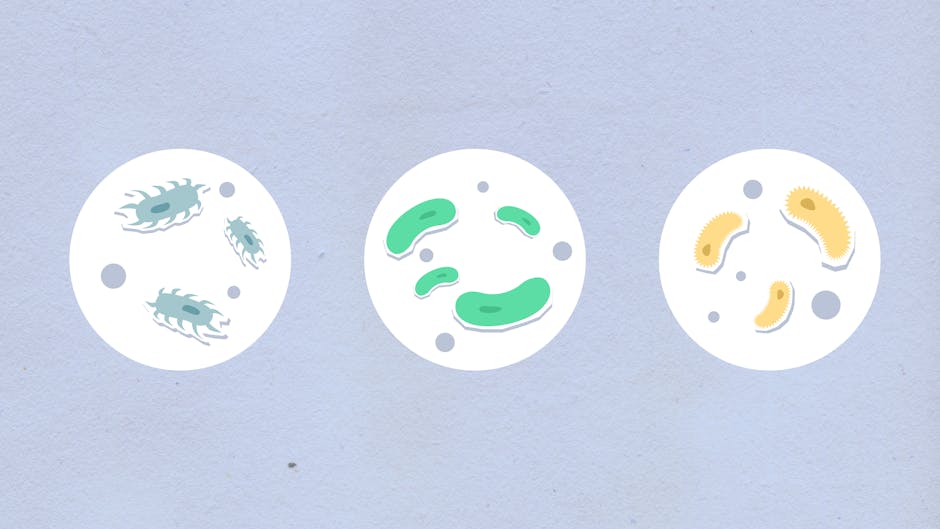
- 90% of cellular energy is produced by mitochondria, making them a crucial target for disease treatment.
- Mitochondrial dysfunction is a key driver of degenerative diseases, including neurodegenerative disorders and cancer.
- A novel approach called MitoCatch has been developed to deliver healthy mitochondria into target cells with cell-type specificity.
- The MitoCatch system has shown tremendous promise in rescuing cell degeneration and restoring mitochondrial function.
- Targeted mitochondrial transplantation could lead to breakthrough treatments for various degenerative diseases.
A staggering 90% of cellular energy is produced by mitochondria, making them the powerhouse of the cell. However, mitochondrial dysfunction is a hallmark of various degenerative diseases, including neurodegenerative disorders and cancer. Recent studies have shown that mitochondrial transplantation can rescue cell degeneration, but the lack of cell-type specificity has limited its therapeutic potential. A groundbreaking study published in Nature has introduced a novel approach to mitochondrial transplantation, using a cell-type-specific mitochondrion-targeting system called MitoCatch, which has shown tremendous promise in delivering healthy mitochondria into target cells.
Understanding Mitochondrial Dysfunction

Mitochondrial dysfunction is a complex phenomenon that affects various cell types, leading to a range of degenerative diseases. The current understanding of mitochondrial biology suggests that mitochondrial dysfunction is not just a consequence of cellular damage, but also a primary cause of disease progression. As such, developing therapeutic strategies to restore mitochondrial function is crucial for treating these diseases. The MitoCatch system has been designed to address this challenge by providing a targeted approach to mitochondrial transplantation, allowing researchers to deliver healthy mitochondria into specific cell types.
Key Details of the MitoCatch System

The MitoCatch system is a novel platform that links mitochondria and the cell surface by protein binders, enabling the delivery of mitochondria into target cells. This approach has been shown to be highly efficient, with a significant increase in mitochondrial uptake by target cells. The system consists of a targeting module, which recognizes specific cell surface proteins, and a mitochondrial module, which packages the mitochondria for delivery. By using this system, researchers can selectively target specific cell types, such as neurons or muscle cells, and deliver healthy mitochondria to rescue cellular function.
Analysis of the MitoCatch System
The MitoCatch system has been extensively characterized in vitro and in vivo, demonstrating its efficacy and safety in delivering mitochondria into target cells. The system has been shown to improve mitochondrial function, reduce oxidative stress, and promote cellular survival. Furthermore, the use of protein binders allows for specific targeting of cell types, reducing off-target effects and improving therapeutic outcomes. The data suggest that the MitoCatch system has the potential to revolutionize the field of mitochondrial transplantation, enabling the development of novel therapeutic strategies for degenerative diseases.
Implications of the MitoCatch System
The implications of the MitoCatch system are far-reaching, with potential applications in various fields, including neurology, oncology, and cardiology. The ability to deliver healthy mitochondria into specific cell types could lead to the development of novel therapies for degenerative diseases, such as Parkinson’s disease, Alzheimer’s disease, and cancer. Additionally, the MitoCatch system could be used to improve our understanding of mitochondrial biology, enabling the development of new diagnostic tools and therapeutic strategies.
Expert Perspectives
Experts in the field have hailed the MitoCatch system as a breakthrough in mitochondrial transplantation, highlighting its potential to revolutionize the treatment of degenerative diseases. However, some experts have also raised concerns about the potential risks and challenges associated with mitochondrial transplantation, including the risk of immune rejection and the need for further characterization of the MitoCatch system. Despite these challenges, the consensus is that the MitoCatch system has the potential to make a significant impact in the field of mitochondrial biology and therapy.
As researchers continue to explore the potential of the MitoCatch system, several questions remain to be answered. What are the long-term effects of mitochondrial transplantation on cellular function and disease progression? How can the MitoCatch system be optimized for therapeutic use, and what are the potential applications in various fields of medicine? The answers to these questions will be crucial in determining the future of mitochondrial transplantation and its potential to improve human health.