- Iran’s oil exports have plummeted by over 70% due to US sanctions, severely impacting the country’s economy.
- Kharg Island, Iran’s main export facility, is a focal point of tension between the US and Iran.
- The US blockade of Iran’s ports has disrupted oil exports, causing significant financial losses for the country.
- Iran’s economy is heavily reliant on oil revenues, making the decline in exports a major concern.
- Civilians in Iran are facing the consequences of the escalating conflict, which threatens to disrupt their lives.
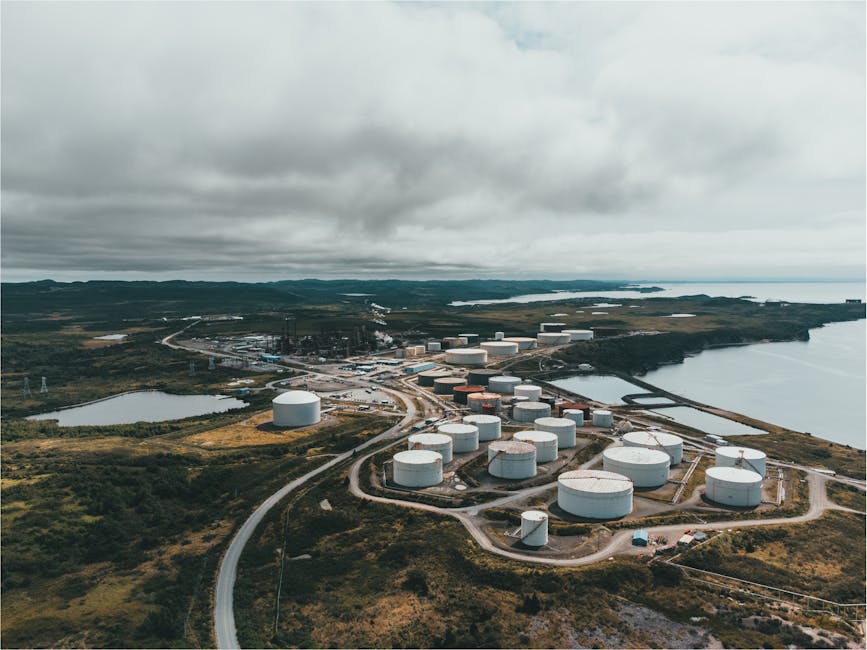
The Kharg Island oil terminal, located off the coast of Iran, is the country’s main export facility, responsible for shipping out approximately 90% of its crude oil. However, with the US imposing stringent sanctions on Iran’s oil industry, the island has become a focal point of tension. The US blockade of Iran’s ports has resulted in a significant decline in oil exports, with some estimates suggesting a plummet of over 70% since the sanctions were imposed. This has severe implications for Iran’s economy, which is heavily reliant on oil revenues. As the situation continues to escalate, civilians are increasingly caught in the middle, facing the consequences of a conflict that threatens to disrupt their lives.
The Strategic Importance of Kharg Island

Kharg Island has been a crucial component of Iran’s oil industry for decades, providing a vital outlet for the country’s crude oil exports. The island’s strategic location in the Persian Gulf, combined with its extensive storage facilities and shipping infrastructure, make it an ideal hub for oil exports. However, the island’s importance extends beyond its economic significance, as it also plays a critical role in Iran’s energy security. With the US seeking to strangle Iran’s oil industry, Kharg Island has become a key target, and its continued operation is essential for Iran’s economic survival. As tensions between the US and Iran continue to rise, the fate of Kharg Island hangs in the balance, with potentially far-reaching consequences for the region.
The Human Cost of the Blockade

The US blockade of Iran’s ports has already begun to take a toll on civilians, with reports of food and medicine shortages becoming increasingly common. The decline in oil exports has resulted in a significant reduction in government revenues, making it challenging for the authorities to provide essential services to the population. Furthermore, the blockade has also disrupted the supply chain, leading to shortages of critical goods, including fuel and spare parts. As the situation continues to deteriorate, civilians are facing significant challenges in their daily lives, from accessing basic necessities to finding employment in an economy that is rapidly contracting. The international community has expressed concern over the humanitarian implications of the blockade, with many calling for a peaceful resolution to the conflict.
Geopolitical Implications
The standoff over Kharg Island has significant geopolitical implications, with the potential to draw in other regional players. The US has sought to build a coalition to support its efforts to isolate Iran, while Iran’s allies, including China and Russia, have expressed their opposition to the sanctions. As the situation continues to escalate, there is a growing risk of miscalculation, which could lead to a wider conflict. The fate of Kharg Island is not only a matter of concern for Iran but also has implications for global energy security, as any disruption to oil supplies could have far-reaching consequences for the global economy. With the US and Iran engaged in a war of words, the international community is holding its breath, hoping for a peaceful resolution to the crisis.
Economic Consequences
The blockade of Kharg Island has already had a significant impact on Iran’s economy, with the country’s oil exports plummeting to historic lows. The loss of revenue has resulted in a sharp decline in government spending, leading to widespread job losses and a significant increase in poverty. The Iranian rial has also come under pressure, losing significant value against major currencies, which has further exacerbated the economic crisis. As the situation continues to deteriorate, there are growing concerns over the potential for social unrest, as civilians become increasingly frustrated with the economic situation. The Iranian government has sought to mitigate the effects of the blockade by implementing austerity measures and seeking alternative markets for its oil, but the challenges ahead are significant.
Expert Perspectives
Experts are divided over the potential outcome of the standoff over Kharg Island, with some predicting a negotiated settlement, while others warn of a wider conflict. “The US sanctions have had a devastating impact on Iran’s economy, and the blockade of Kharg Island is a clear attempt to strangle the country’s oil industry,” said Dr. Sanam Vakil, a Middle East expert at Chatham House. “However, Iran is unlikely to back down, and the situation could escalate into a wider conflict.” In contrast, others argue that the US and Iran have a shared interest in avoiding a conflict, and that a negotiated settlement is still possible. “The US and Iran have a long history of engagement, and despite the tensions, there are still channels of communication open,” said Professor Ali Ansari, an Iran expert at the University of St Andrews.
As the situation continues to unfold, all eyes are on Kharg Island, with the international community watching anxiously to see how the crisis will play out. Will the US and Iran find a way to resolve their differences, or will the standoff over Kharg Island escalate into a wider conflict? One thing is certain – the fate of Kharg Island, and the future of Iran’s oil industry, hangs in the balance, with significant implications for the region and the world.