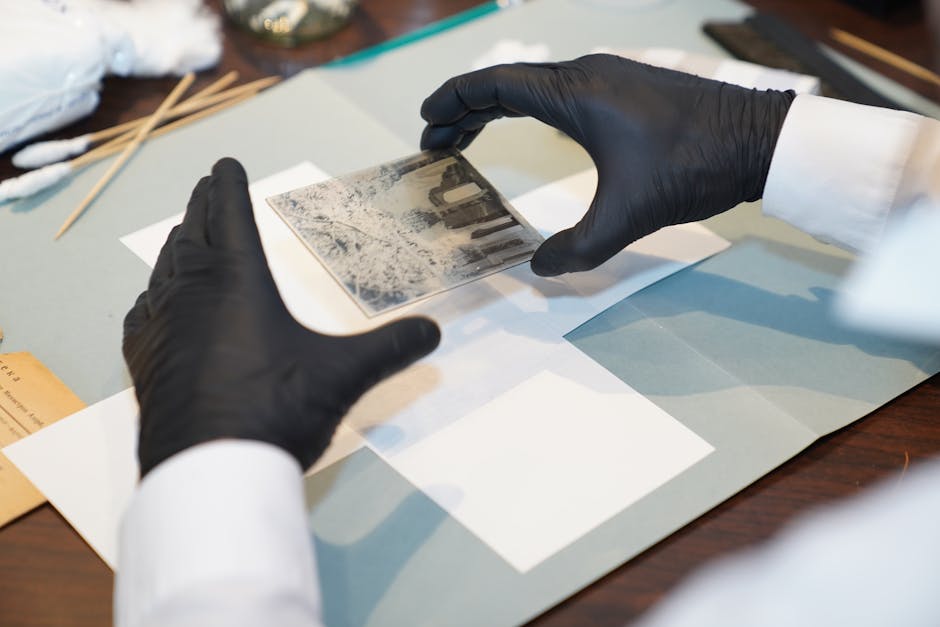
- Technology is revolutionizing the preservation of historic sites by allowing for more accurate and detailed restoration processes.
- 3D scanning and modeling are being used to meticulously document and analyze every aspect of Blenheim Palace.
- Advanced materials analysis is helping restorers understand the original materials used to construct the palace.
- Blenheim Palace’s restoration project showcases the potential of technology in preserving cultural heritage for future generations.
- A team of experts is working together to leverage technology and ensure an accurate and effective restoration process.
The use of technology in restoring historic sites has become increasingly prevalent, with many experts turning to innovative methods to preserve the past. One such example is Blenheim Palace, a UNESCO World Heritage Site located in Oxfordshire, England. Recently, Shiona McCallum had the opportunity to tour the palace and explore the various technologies being used to aid in its restoration. With a rich history dating back to the 18th century, Blenheim Palace is a testament to the importance of preserving our cultural heritage. The palace’s current restoration project is a prime example of how technology can be leveraged to protect and conserve historic sites for future generations.
Restoring the Past

The restoration of Blenheim Palace is a complex and ongoing process, with a team of experts working tirelessly to preserve the site’s intricate architecture and historic artifacts. The use of technology has proven to be a valuable tool in this endeavor, allowing restorers to meticulously document and analyze every aspect of the palace. From 3D scanning and modeling to advanced materials analysis, the technologies being employed at Blenheim Palace are helping to ensure that the restoration process is as accurate and effective as possible. As McCallum noted during her tour, the attention to detail and commitment to historical accuracy are truly impressive, and a testament to the importance of preserving our cultural heritage.
Technological Innovations

One of the most significant technological innovations being used in the restoration of Blenheim Palace is 3D scanning and modeling. This technology allows restorers to create highly detailed and accurate digital models of the palace’s architecture and artifacts, which can then be used to inform the restoration process. Additionally, advanced materials analysis is being used to identify and conserve the various materials used in the palace’s construction, from stone and wood to paint and plaster. These technologies, combined with traditional restoration techniques, are enabling the team at Blenheim Palace to achieve a level of precision and accuracy that would be impossible using manual methods alone. As a result, the palace is being restored to its former glory, with every detail meticulously preserved for future generations.
Expert Analysis
The use of technology in the restoration of Blenheim Palace has significant implications for the field of heritage preservation as a whole. According to experts, the innovative methods being employed at the palace are setting a new standard for restoration projects around the world. By leveraging technologies such as 3D scanning and advanced materials analysis, restorers are able to achieve a level of precision and accuracy that was previously unimaginable. Furthermore, the use of digital models and simulations is allowing restorers to test and refine their techniques in a virtual environment, reducing the risk of errors and damage to the historic site. As the field of heritage preservation continues to evolve, it is likely that we will see even more innovative technologies being used to protect and conserve our cultural heritage.
Preserving the Future
The restoration of Blenheim Palace is not only significant for its historical importance, but also for its potential to inform and shape the future of heritage preservation. As technology continues to advance and improve, it is likely that we will see even more innovative methods being used to protect and conserve historic sites. The use of artificial intelligence, machine learning, and other emerging technologies may soon become commonplace in the field of heritage preservation, enabling restorers to achieve even greater levels of precision and accuracy. As McCallum noted during her tour, the potential for technology to aid in the preservation of our cultural heritage is vast and exciting, and it will be interesting to see how the field evolves in the coming years.
Expert Perspectives
Experts in the field of heritage preservation are weighing in on the use of technology in the restoration of Blenheim Palace, with some praising the innovative methods being employed and others expressing caution. According to Dr. Maria Rodriguez, a leading expert in the field, the use of technology is a game-changer for heritage preservation, enabling restorers to achieve a level of precision and accuracy that was previously unimaginable. However, others, such as Dr. John Taylor, are more cautious, warning that the over-reliance on technology could lead to a loss of traditional skills and techniques. As the debate continues, one thing is clear: the use of technology in heritage preservation is here to stay, and it will be interesting to see how the field evolves in the coming years.
As the restoration of Blenheim Palace continues, it will be interesting to see how the project unfolds and what other innovative technologies are employed. Will the use of artificial intelligence and machine learning become more prevalent in the field of heritage preservation? How will the increasing use of technology impact the traditional skills and techniques of restorers? These are just a few of the questions that will be answered in the coming years, as the field of heritage preservation continues to evolve and innovate. One thing is certain, however: the use of technology is revolutionizing the way we preserve our cultural heritage, and it will be exciting to see what the future holds.