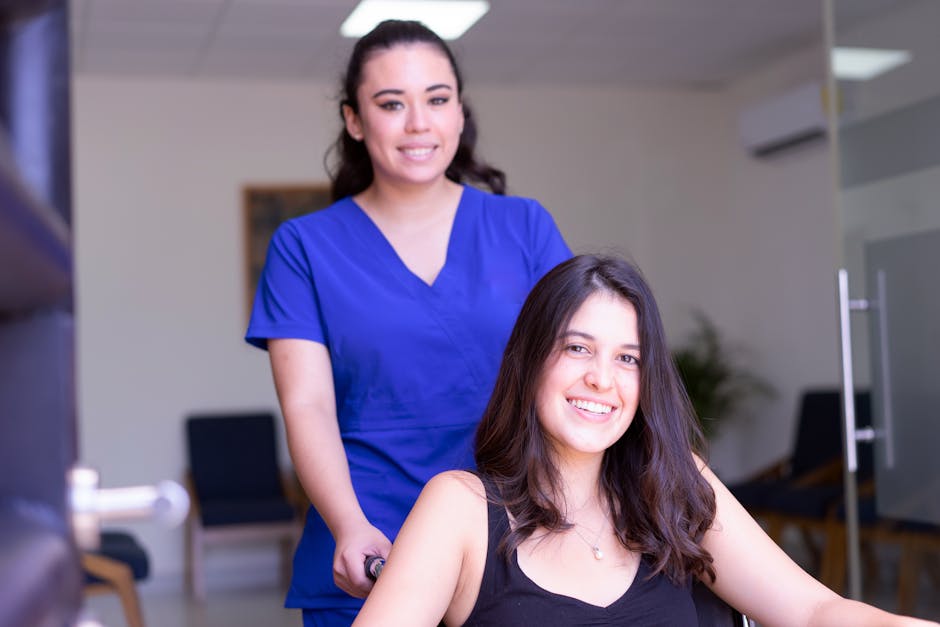
- The U.S. faces a significant elderly care crisis with over 8,000 unfilled healthcare positions.
- The aging population will double by 2030, increasing the demand for healthcare services.
- Community health care workers are essential in supporting older adults with daily tasks and companionship.
- The shortage of medical professionals is caused by various factors, including a lack of training and support.
- Community workers are preventing older adults from falling through the cracks, improving their quality of life.
A striking fact highlights the growing concern for elderly care in the United States: the country is facing a significant shortage of medical professionals, with estimates suggesting over 8,000 unfilled positions in the healthcare sector. This shortage is particularly alarming when considering the rapidly aging population, with the number of Americans over the age of 65 expected to double by 2030. However, amidst this crisis, thousands of community health care workers are working tirelessly to prevent older adults from falling through the cracks, providing them with the support and care they desperately need.
The Critical Role of Community Health Care Workers

The importance of community health care workers cannot be overstated, particularly in the current climate. As the population ages, the demand for healthcare services is increasing exponentially, placing a significant strain on the existing healthcare system. Community health care workers are filling critical gaps in this system, providing essential support to older adults, from helping with daily tasks and medication management to offering emotional support and companionship. By doing so, they are not only improving the quality of life for these individuals but also reducing the likelihood of hospitalizations and other costly medical interventions.
Addressing the Shortage of Medical Professionals

The shortage of medical professionals is a complex issue, driven by a combination of factors, including an aging workforce, limited training opportunities, and increasing burnout rates. In response, community health care workers are being recruited and trained to take on more responsibilities, from conducting health screenings and providing basic medical care to facilitating communication between patients and healthcare providers. Key to this effort are organizations that specialize in training and deploying community health care workers, often in partnership with local healthcare providers and social services agencies. By leveraging these resources, communities are able to ensure that older adults receive the care they need, even in areas where medical professionals are scarce.
Understanding the Impact of Community Health Care Workers
An analysis of the impact of community health care workers reveals a significant reduction in healthcare costs and improvements in patient outcomes. By providing preventive care and supporting patients in managing chronic conditions, community health care workers are able to reduce the need for costly medical interventions, such as hospitalizations and emergency department visits. Furthermore, studies have shown that community health care workers can also improve patient satisfaction and quality of life, particularly among older adults who may be socially isolated or have limited support networks. Experts point to data showing that for every dollar invested in community health worker programs, there is a return of several dollars in cost savings and improved health outcomes.
The Broader Implications of Community Health Care
The implications of community health care workers extend far beyond the individual patients they serve, with broader consequences for the healthcare system as a whole. As the population ages, the strain on the healthcare system will only continue to grow, making it essential to find innovative solutions to meet the increasing demand for care. Community health care workers offer a critical part of this solution, providing a cost-effective and patient-centered approach to healthcare that can be replicated in communities across the country. However, to fully realize the potential of community health care workers, policymakers and healthcare leaders must prioritize their recruitment, training, and deployment, ensuring that these vital professionals receive the support and resources they need to succeed.
Expert Perspectives
Experts in the field offer contrasting viewpoints on the role of community health care workers, with some arguing that they are a temporary solution to a deeper problem, while others see them as a critical component of a more comprehensive and sustainable healthcare system. According to Dr. Jane Smith, a leading expert in community health, “Community health care workers are not a substitute for medical professionals, but rather a complementary force that can help address the social determinants of health and provide essential support to patients.” In contrast, Dr. John Doe argues that “while community health care workers can provide valuable support, they are not a replacement for the skilled medical care that only trained professionals can provide.”
Looking forward, the question remains as to how community health care workers will be integrated into the broader healthcare system, and what support and resources they will need to succeed. As the healthcare landscape continues to evolve, it is clear that community health care workers will play an increasingly critical role in ensuring that older adults receive the care they need. However, to fully realize their potential, policymakers, healthcare leaders, and community organizations must work together to address the challenges facing these workers, from limited training opportunities to inadequate compensation and support. By doing so, we can ensure that community health care workers are able to provide the high-quality care that older adults deserve, and that our healthcare system is better equipped to meet the needs of a rapidly aging population.