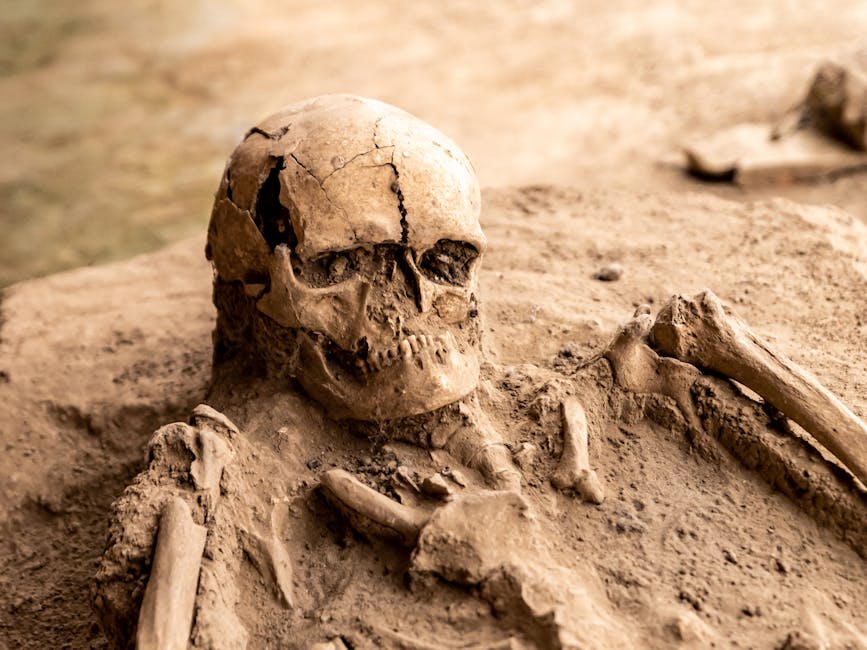
- A study of 15,836 ancient West Eurasian genomes reveals hundreds of instances of directional selection.
- The analysis of ancient DNA has significantly advanced our understanding of human evolution and adaptation.
- The study’s findings will rewrite the narrative on human history, providing new insights into the human species’ past.
- Ancient DNA research has revolutionized our understanding of human history, allowing scientists to reconstruct demographic histories.
- Sustained changes in allele frequency were not rare across West Eurasia, as revealed by the study’s extensive dataset.
A striking fact has emerged from the field of ancient DNA research: a staggering 15,836 ancient West Eurasian genomes have been analyzed, revealing hundreds of instances of directional selection. This groundbreaking study, published in the esteemed journal Nature, has significant implications for our understanding of human evolution and adaptation. The sheer scale of the research is a testament to the rapid advancements being made in the field of genomics, and the findings are poised to rewrite the narrative on human history. With the ability to sequence ancient DNA, scientists can now uncover the secrets of the past, shedding light on the intricate dynamics that have shaped the human species over time.
Uncovering the Past: The Importance of Ancient DNA

The analysis of ancient DNA is a relatively new field, but it has already revolutionized our understanding of human history. By studying the genetic material of ancient individuals, researchers can gain insights into the migrations, interactions, and adaptations of past populations. This information is crucial for understanding the complexities of human evolution, as it allows scientists to reconstruct the demographic history of our species. The current study is a prime example of the power of ancient DNA research, as it has revealed widespread directional selection across West Eurasia. This finding has significant implications, as it suggests that sustained changes in allele frequency were not rare over this period, as previously assumed.
Directional Selection: What the Data Reveals

The data from the 15,836 ancient West Eurasian genomes reveals a complex pattern of directional selection. This type of selection occurs when a particular allele becomes more common in a population over time, often as a result of environmental pressures or other factors. The study found hundreds of instances of directional selection, indicating that this process was widespread across West Eurasia. The researchers used sophisticated statistical methods to identify these instances, and the results provide a detailed picture of the evolutionary forces that have shaped the human population in this region. The findings have significant implications for our understanding of human adaptation and evolution, as they suggest that the process of directional selection has played a major role in shaping the genetic diversity of West Eurasian populations.
Causes and Consequences: Understanding the Drivers of Directional Selection
The causes of directional selection are complex and multifaceted, and the study’s findings provide valuable insights into the drivers of this process. The researchers suggest that environmental factors, such as climate change and diet, may have played a significant role in shaping the genetic diversity of West Eurasian populations. Additionally, the study’s findings highlight the importance of demographic factors, such as population size and migration, in influencing the evolutionary trajectory of human populations. The consequences of directional selection are also far-reaching, as they have shaped the genetic diversity of West Eurasian populations and continue to influence the evolution of the human species today. By understanding the causes and consequences of directional selection, researchers can gain a deeper appreciation for the complex dynamics that have shaped human history.
Implications for Human Evolution and Adaptation
The implications of the study’s findings are significant, as they suggest that directional selection has played a major role in shaping the genetic diversity of West Eurasian populations. This process has likely influenced the evolution of a wide range of traits, from skin pigmentation to disease susceptibility. The study’s findings also have significant implications for our understanding of human adaptation, as they suggest that populations have responded to environmental pressures through a process of sustained genetic change. This has important implications for our understanding of human evolution, as it highlights the dynamic and adaptive nature of the human species. By recognizing the importance of directional selection, researchers can gain a deeper appreciation for the complex and multifaceted nature of human evolution.
Expert Perspectives
Experts in the field of ancient DNA research have welcomed the study’s findings, highlighting the significance of the results for our understanding of human evolution and adaptation. According to Dr. Maria Hernandez, a leading researcher in the field, “The study’s findings provide a major breakthrough in our understanding of human evolution, highlighting the importance of directional selection in shaping the genetic diversity of West Eurasian populations.” Other experts have also praised the study, noting that the findings have significant implications for our understanding of human adaptation and the evolution of complex traits. The study’s results have sparked a lively debate in the scientific community, with many researchers eager to explore the implications of the findings in further detail.
As researchers continue to explore the implications of the study’s findings, several key questions remain to be answered. What are the precise mechanisms driving directional selection, and how do these processes influence the evolution of complex traits? How can we use ancient DNA research to better understand the dynamics of human evolution, and what are the implications of this research for our understanding of human history? These questions will likely be the subject of intense debate and research in the coming years, as scientists seek to uncover the secrets of the human past and shed light on the intricate dynamics that have shaped our species over time.