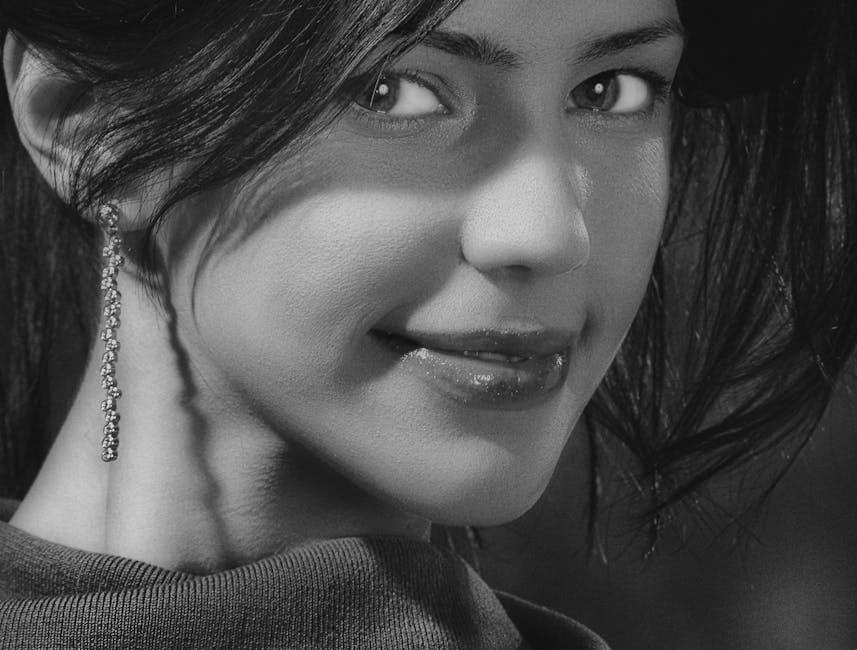
- Fake celebrity images are being generated using advanced artificial intelligence (AI) algorithms, making it increasingly difficult to distinguish between real and fabricated images.
- The rise of deepfake technology has significant consequences, including the spread of misinformation and damage to individuals’ reputations.
- Coachella has become a breeding ground for fake celebrity images due to its high public profile and the ease of dissemination on social media platforms.
- Social media users are often quick to share and retweet fake images without verifying their authenticity, contributing to their rapid spread.
- The use of AI-generated images has serious implications for individuals, including the potential for financial loss, emotional distress, and reputational damage.
The internet was recently abuzz with images of Kim Kardashian wearing a seemingly outrageous t-shirt at Coachella, only for it to be revealed that the pictures were entirely fake. In fact, they were generated using advanced artificial intelligence (AI) algorithms. This phenomenon is not isolated, as AI-generated images of celebrities at Coachella have been flooding social media platforms, leaving many to wonder what is real and what is not. With the rise of deepfake technology, it’s becoming increasingly difficult to distinguish between genuine and fabricated images, and the consequences are far-reaching.
The Coachella Effect: How Fake Images Go Viral

The Coachella music festival has become a breeding ground for fake celebrity images, with many AI-generated photos spreading like wildfire online. The reason for this is twofold: firstly, Coachella is a highly publicized event, with many celebrities in attendance, making it a prime target for fake image generators. Secondly, social media platforms are perfectly suited for the dissemination of such images, with many users quick to share and retweet without verifying the authenticity of the content. As a result, fake images can quickly go viral, often with serious consequences for the individuals involved.
Unmasking the AI Generation Process

So, how are these fake images generated? The process typically involves the use of sophisticated AI algorithms that can learn patterns and generate new images based on existing ones. For example, an AI model might be trained on a dataset of images of Kim Kardashian, allowing it to generate entirely new images that are virtually indistinguishable from real ones. This technology is not only limited to images of celebrities; it can be used to generate fake videos, audio recordings, and even text. The implications are profound, and the potential for misuse is vast.
Expert Analysis: The Causes and Effects of Fake Celebrity Images
According to experts, the rise of fake celebrity images can be attributed to the increasing sophistication of AI technology, combined with the ease of dissemination on social media platforms. The effects of such images can be severe, ranging from damage to a celebrity’s reputation to the spread of misinformation and propaganda. Moreover, the use of AI-generated images raises important questions about authenticity and trust in the digital age. As Dr. Rachel Kim, a leading expert in AI and media studies, notes, “The proliferation of fake celebrity images is just the tip of the iceberg; it’s a symptom of a broader issue related to the manipulation of information and the erosion of trust in online platforms.”
Implications and Consequences
The implications of AI-generated fake celebrity images are far-reaching, with potential consequences for individuals, society, and democracy as a whole. For instance, the spread of misinformation and propaganda can have serious effects on public opinion and decision-making. Furthermore, the use of fake images can damage the reputation of celebrities and other public figures, with potential financial and emotional consequences. As the technology continues to evolve, it’s essential to develop strategies for detecting and mitigating the effects of fake images, as well as promoting media literacy and critical thinking among online users.
Expert Perspectives
Experts are divided on the best approach to addressing the issue of AI-generated fake celebrity images. Some argue that social media platforms have a responsibility to develop and implement more effective content moderation policies, while others believe that the solution lies in educating users about the potential for fake images and promoting media literacy. As Mark Zuckerberg, CEO of Meta, notes, “The use of AI-generated images is a complex issue that requires a multifaceted approach; we need to work together to develop solutions that balance the need for free expression with the need to protect users from misinformation and manipulation.”
Looking ahead, it’s clear that the issue of AI-generated fake celebrity images will only continue to grow in importance. As the technology becomes increasingly sophisticated, it’s essential to stay vigilant and develop strategies for detecting and mitigating the effects of fake images. One key question remains: how can we ensure that online platforms are safe and trustworthy, while also promoting free expression and creativity? The answer will likely involve a combination of technological innovation, policy development, and user education, but one thing is certain – the future of online discourse depends on it.