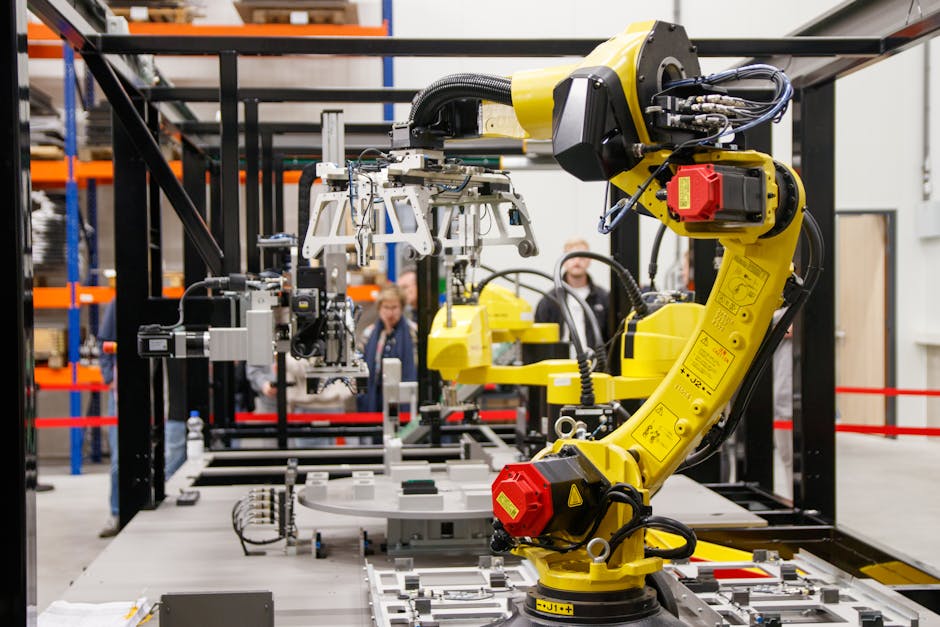
- Women’s jobs are three times more likely to be automated by AI, making it essential to upskill and reskill.
- Acquiring AI skills can help women reduce their vulnerability to job displacement and remain competitive in the job market.
- Women need to develop skills that are complementary to AI, such as creativity, critical thinking, and problem-solving.
- Automation is poised to disproportionately affect women, highlighting the urgent need for women to adapt to the changing job market.
- Upskilling in AI can open up new career opportunities for women and enable them to stay relevant in the workforce.
In a striking warning, Academy Award-winning actress Reese Witherspoon has emphasized the pressing need for women to acquire skills in Artificial Intelligence (AI) to remain relevant in the workforce. Witherspoon’s statement comes as a stark reminder of the looming threat of job automation, which is poised to disproportionately affect women. According to the actress, the jobs held by women are three times more likely to be automated by AI, underscoring the urgent requirement for women to upskill and reskill in order to stay employable.
The Looming Threat of Job Automation

The issue of job automation has been gaining significant attention in recent years, as advancements in AI and machine learning continue to transform the nature of work. Witherspoon’s warning serves as a timely reminder of the importance of addressing this issue, particularly in the context of women’s employment. As automation increasingly assumes routine and repetitive tasks, it is essential for women to acquire skills that are complementary to AI, such as creativity, critical thinking, and problem-solving. By doing so, women can reduce their vulnerability to job displacement and remain competitive in the job market.
Key Details: The Impact of AI on Women’s Jobs

The impact of AI on women’s jobs is a pressing concern, with many female-dominated industries being disproportionately affected by automation. According to various studies, jobs such as data entry, bookkeeping, and customer service are among the most susceptible to automation, with women making up a significant proportion of the workforce in these sectors. Furthermore, the World Economic Forum has estimated that by 2025, approximately 75 million jobs may be displaced by automation, with women being more likely to be affected due to their overrepresentation in vulnerable occupations. Witherspoon’s warning, therefore, serves as a call to action for women to take proactive steps to mitigate the risks associated with job automation.
Analysis: The Causes and Effects of Job Automation
The causes of job automation are complex and multifaceted, driven by factors such as technological advancements, cost savings, and increased efficiency. However, the effects of automation on women’s employment are far-reaching and potentially devastating. As women’s jobs are increasingly automated, it is likely to exacerbate existing gender inequalities in the workforce, including the gender pay gap and underrepresentation in leadership positions. Moreover, the displacement of women from the workforce can have significant social and economic implications, including reduced economic mobility and increased poverty. It is essential, therefore, to address the root causes of job automation and implement strategies to support women’s employment and economic empowerment.
Implications: Who Is Affected and How
The implications of job automation are far-reaching, with significant consequences for women’s employment and economic well-being. As Witherspoon emphasized, women’s jobs are three times more likely to be automated, highlighting the urgent need for women to acquire AI skills and adapt to the changing job market. The affected individuals include women working in vulnerable occupations, such as administration, sales, and customer service, who are at risk of being displaced by automation. Furthermore, the impact of job automation will also be felt by families and communities, as reduced economic mobility and increased poverty can have significant social and economic implications.
Expert Perspectives
Experts in the field of AI and employment have offered contrasting viewpoints on the impact of job automation on women’s employment. While some argue that AI will create new job opportunities for women, others emphasize the need for women to acquire skills that are complementary to automation. According to Dr. Kathryn Anne, a leading expert in AI and employment, “Women need to acquire skills that are unique to humans, such as creativity, empathy, and problem-solving, in order to remain relevant in the workforce.” In contrast, others argue that AI will disproportionately benefit women, enabling them to pursue careers in fields such as tech and entrepreneurship.
Looking forward, it is essential to monitor the impact of job automation on women’s employment and implement strategies to support women’s economic empowerment. As Witherspoon emphasized, the acquisition of AI skills is critical for women to remain relevant in the workforce. However, it is also important to address the root causes of job automation and implement policies to mitigate its negative consequences. One open question remains: how can we ensure that the benefits of AI are shared equitably, and that women are not disproportionately affected by job automation?